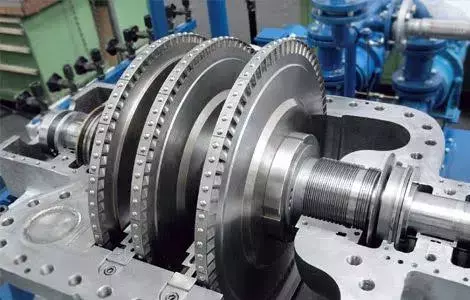
Steam turbines are essential to modern power generation, providing reliable energy to utilities, industrial plants, and mechanical drive systems. Among the critical components of a turbine, fuel nozzles play a vital role in ensuring proper combustion, efficiency, and emissions control. Over time, wear, erosion, and clogging can compromise nozzle performance, resulting in reduced energy output, higher fuel consumption, and increased maintenance costs.
Timely turbine fuel nozzle repair is therefore crucial to maintain operational efficiency and prevent costly downtime. This article explores the importance of regular maintenance, common issues, repair techniques, and the operational and economic consequences of neglecting nozzle upkeep.
Understanding the Role of Fuel Nozzles in Steam Turbines
Fuel nozzles are components responsible for delivering and atomizing fuel into the combustion chamber at precise flow rates and patterns. They ensure that fuel mixes thoroughly with air, enabling optimal combustion for energy generation. Key functions include:
- Efficient atomization: Breaking fuel into fine droplets to promote complete combustion
- Uniform fuel distribution: Ensuring even temperature and pressure across the combustion chamber
- Emission control: Maintaining low levels of pollutants like NOx, CO, and unburned hydrocarbons
When fuel nozzles are damaged, blocked, or misaligned, combustion becomes uneven, resulting in flame instability, increased fuel consumption, and higher emissions. Ensuring timely steam turbine fuel nozzle repair is essential to preserve turbine efficiency and reliability.
Common Problems Affecting Turbine Fuel Nozzles
Over time, fuel nozzles are exposed to high temperatures, chemical attack, and mechanical stress. Some common issues include:
1. Erosion and Corrosion
High-temperature combustion gases and impurities in fuel can erode nozzle tips and internal surfaces. Corrosion can weaken material integrity and alter spray patterns, reducing combustion efficiency.
2. Clogging and Deposits
Carbon buildup, soot, and scale can block the nozzle, restricting fuel flow and causing uneven combustion. This leads to reduced energy output and potential hot spots in the combustion chamber.
3. Misalignment and Wear
Repeated thermal cycles and mechanical vibrations can cause nozzles to shift slightly from their original position. Misaligned nozzles disrupt fuel distribution, causing uneven flame propagation and localized overheating.
4. Thermal Fatigue and Cracking
Continuous exposure to high temperatures can cause material fatigue, leading to cracks that compromise structural integrity and fuel flow patterns.
Operational Consequences of Neglecting Nozzle Maintenance
Neglecting timely turbine fuel nozzle repair can have significant operational consequences:
1. Reduced Combustion Efficiency
When nozzles are worn or blocked, fuel is not atomized properly, leading to incomplete combustion. This reduces turbine output, increases heat rate, and lowers overall plant efficiency.
2. Increased Emissions
Inefficient combustion caused by faulty nozzles generates higher levels of pollutants, including NOx, CO, and unburned hydrocarbons. This can lead to regulatory non-compliance and environmental penalties.
3. Higher Fuel Consumption
Poor combustion efficiency requires more fuel to achieve the same energy output, increasing operational costs and reducing profitability.
4. Potential Damage to Other Components
Uneven combustion can create hot spots that damage turbine blades, liners, and other critical components, leading to expensive repairs and extended downtime.
5. Unplanned Downtime
Failure of fuel nozzles can trigger emergency shutdowns, causing significant revenue losses due to interrupted power generation or industrial processes.
Economic Implications of Delayed Fuel Nozzle Repair
The financial impact of neglected fuel nozzle maintenance extends beyond immediate repair costs. Key considerations include:
1. Increased Maintenance Costs
Reactive repairs are typically more expensive than planned interventions. Emergency replacements often require expedited shipping, overtime labor, and additional inspections.
2. Reduced Asset Life
Poorly functioning nozzles accelerate wear on turbines and combustion chambers, shortening the lifespan of expensive capital equipment.
3. Lost Revenue
Downtime due to nozzle failure translates into lost power production, missed industrial deadlines, and penalties for underperformance.
4. Regulatory Fines
Excess emissions caused by inefficient combustion may lead to environmental non-compliance fines, increasing operational liabilities.
By proactively investing in turbine fuel nozzle repair, operators can mitigate these risks while improving operational efficiency and cost-effectiveness.
Specialized Repair Techniques for Fuel Nozzles
Modern repair techniques restore fuel nozzles to near-original condition, ensuring optimal performance and longevity. Key approaches include:
1. Inspection and Non-Destructive Testing (NDT)
Before repair, specialized technicians perform thorough inspections to detect erosion, cracks, or deposits. NDT methods such as ultrasonic testing, dye penetrant inspection, and eddy current testing ensure all defects are identified.
2. Cleaning and Deposits Removal
Nozzles are cleaned using chemical, thermal, or mechanical methods to remove carbon deposits, soot, and scale. Restoring clean flow paths ensures proper fuel atomization.
3. Machining and Surface Restoration
Damaged or eroded surfaces are machined to restore original geometry and tolerances. This ensures precise fuel spray patterns for optimal combustion.
4. Welding and Metal Repairs
Cracks, worn edges, or structural damage are repaired through specialized welding and material restoration techniques. Proper heat treatment ensures repaired components withstand operational temperatures and pressures.
5. Protective Coatings
Erosion-resistant or thermal barrier coatings can be applied to extend the nozzle’s service life and protect against chemical and thermal degradation.
By leveraging these techniques, Allied Power Group provides high-quality steam turbine fuel nozzle repair services that restore performance, reliability, and efficiency.
Benefits of Timely Fuel Nozzle Maintenance
Investing in regular maintenance and repair of fuel nozzles offers several advantages:
1. Optimized Turbine Efficiency
Properly repaired nozzles ensure complete and efficient combustion, maximizing power output and energy conversion.
2. Reduced Downtime
Scheduled repairs prevent unexpected failures, minimizing emergency shutdowns and associated revenue losses.
3. Extended Component Life
Timely repair reduces wear and stress on surrounding components, increasing the operational lifespan of the turbine.
4. Cost Savings
Preventive maintenance and repairs are more economical than emergency replacements, reducing total maintenance costs over the turbine’s lifecycle.
5. Environmental Compliance
Efficient combustion ensures emissions remain within regulatory limits, preventing fines and supporting sustainability goals.
Choosing the Right Service Provider
Selecting an experienced repair provider is crucial for maintaining fuel nozzle performance. The ideal partner offers:
- Advanced inspection and repair capabilities
- Expertise in turbine fuel nozzle repair and steam turbine maintenance
- Fast turnaround to minimize downtime
- Full documentation and quality assurance
Allied Power Group is a trusted provider of specialized repair services, including steam turbine fuel nozzle repair, helping operators maximize turbine efficiency and reliability.
For consultation or service inquiries, you can visit their Contact Us page to get expert guidance.
Conclusion
Fuel nozzles are critical to the performance, efficiency, and environmental compliance of steam turbines. Neglecting maintenance or delaying repairs can result in reduced combustion efficiency, increased emissions, higher fuel consumption, and costly unplanned downtime.
Timely turbine fuel nozzle repair ensures that fuel atomization and flow patterns are optimized, protecting other turbine components and extending operational life. By partnering with a professional service provider like Allied Power Group, operators can implement effective repair strategies, minimize downtime, and achieve long-term cost savings while maintaining reliable and efficient turbine performance.