Introduction
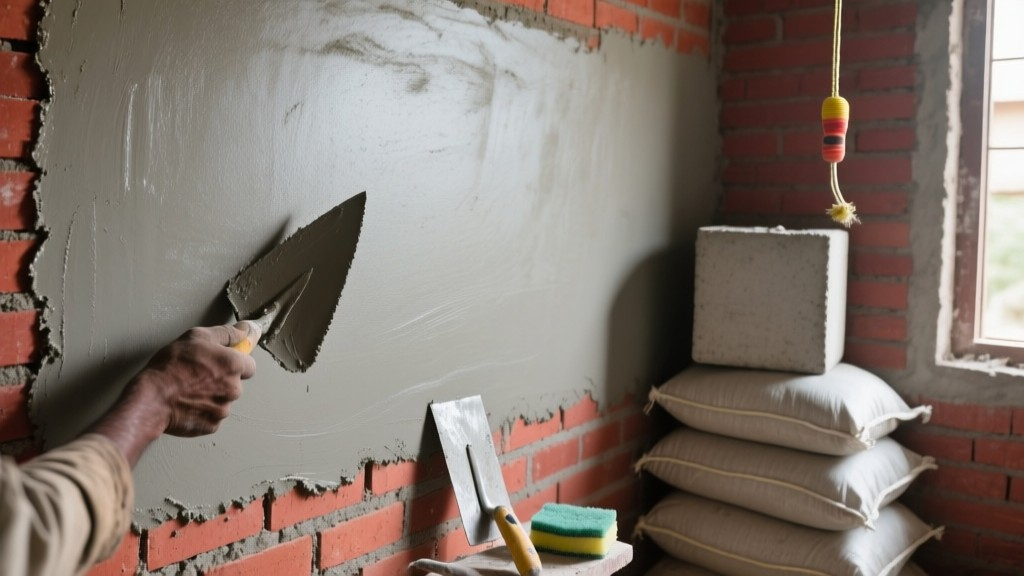
Plastering is an important part of creating smooth, attractive, and durable walls and ceilings. Whether you are building a new home, renovating an older property, or repairing damaged surfaces, the quality of the plastering work can make a major difference to the final result. Well-finished walls provide a clean base for painting, wallpapering, and other decorative treatments. However, poor plastering can lead to uneven surfaces, visible cracks, peeling paint, and costly repairs. This is why choosing the right professional for your project matters.
A trusted Plastering Contractor can help you achieve a high-quality finish while keeping your project on schedule and within budget. From preparing wall surfaces to applying plaster and correcting imperfections, an experienced professional understands the steps needed for lasting results. In 2026, homeowners and property managers also have more options when comparing contractors, reviewing customer feedback, and requesting detailed estimates. This guide explains how to find a reliable plastering specialist, evaluate their experience, understand plastering costs, and avoid common mistakes when hiring someone for your property.
Why Hiring a Professional Plastering Contractor Matters
Plastering may appear simple, but achieving a smooth and durable finish requires practical skills, suitable materials, and careful preparation. A professional Plastering Contractor knows how to assess different surfaces, select the correct plaster, and apply it at the right thickness. They also understand how temperature, moisture, ventilation, and drying conditions can affect the finished result. These details are important because mistakes during application may remain hidden until the surface is painted or exposed to everyday use. Hiring a skilled professional can reduce the risk of uneven walls, poor adhesion, premature cracking, and unnecessary maintenance.
Professional plastering services can also save time and help other stages of a building project run smoothly. For example, painters need a properly prepared surface to achieve an even coat of paint, while decorators rely on smooth walls for a neat final appearance. An experienced contractor can identify problems such as loose plaster, damaged corners, or moisture-related deterioration before starting the main work. They can then recommend suitable repairs instead of simply covering existing defects. Whether you need interior wall plastering, ceiling repairs, exterior rendering, or complete plastering for a new build, choosing a qualified professional helps protect the quality and value of your property over time.
How to Find a Reliable Plastering Contractor in 2026
The first step in finding a reliable plastering specialist is to research contractors who regularly complete projects similar to yours. You can begin with recommendations from friends, family members, builders, architects, and other property professionals. Online reviews and local business listings can also help you identify potential candidates. Look for consistent feedback about workmanship, punctuality, communication, cleanliness, and how contractors handle problems. A single positive review does not guarantee excellent service, so consider the overall pattern of customer experiences. Pay attention to comments about completed plastering projects rather than relying only on general statements about customer satisfaction.
Once you have a shortlist, contact at least three contractors and explain the work you need. Ask about their experience with residential plastering, commercial properties, ceiling restoration, skim coating, or other relevant services. A dependable Plastering Contractor should be willing to discuss your requirements, explain the proposed approach, and arrange a site visit when necessary. They should also answer questions clearly without pressuring you to make an immediate decision. Check whether the contractor has appropriate insurance, relevant qualifications where required, and any registrations or certifications applicable to your location and project. These checks help you compare professionals on more than price alone and make a better-informed hiring decision.
Essential Qualities to Look for Before Hiring
Experience is one of the most useful factors to consider when choosing a plastering professional. However, the number of years in business is only part of the picture. You should also look at the type of work the contractor has completed and whether their previous projects match your expectations. Ask to see photographs of finished walls, ceilings, repairs, or rendering jobs. If possible, request references from previous customers or visit a completed project with the owner’s permission. Good plastering should create consistent surfaces, clean edges, neat corners, and a suitable finish for the next stage of decoration. These examples can provide a clearer understanding of the contractor’s practical skills.
Communication, reliability, and attention to detail are equally important. A trustworthy contractor should explain the work included in the estimate, identify possible complications, and provide a realistic project timeline. They should also discuss how furniture, flooring, windows, and nearby surfaces will be protected during the job. Ask who will carry out the work, particularly if the company uses subcontractors, and confirm who will be responsible for quality checks. A professional plastering service should be willing to explain its preparation process, drying requirements, and cleanup arrangements. Be cautious if someone offers an unusually low quote without inspecting the property, avoids written agreements, or promises results that seem unrealistic. Clear communication at the beginning can prevent disagreements later.
Understanding Plastering Costs, Quotes, and Project Timelines
The cost of hiring a Plastering Contractor depends on several factors, including the size of the area, the condition of existing surfaces, the type of plaster, and the complexity of the work. A small patch repair will generally require less time and material than plastering an entire house. High ceilings, awkward corners, damaged substrates, and difficult access can increase labor requirements. Additional preparation, such as removing loose plaster, fitting protective materials, or repairing cracks, may also affect the final price. Location and local labor rates are other important considerations. For these reasons, it is best to obtain a detailed estimate based on the actual condition and requirements of your property.
When comparing quotes, check what each contractor includes rather than automatically choosing the cheapest option. A comprehensive estimate should explain the areas to be plastered, surface preparation, materials, labor, waste removal, and any additional charges that may apply. It should also state the expected start date, approximate completion time, payment schedule, and process for handling unexpected work. Ask whether the quoted price includes finishing coats or skim plastering and whether painting or decorating is excluded. The lowest initial price may become more expensive if important tasks are left out. Similarly, a higher quote is not necessarily better unless it reflects clear value, suitable materials, and strong workmanship. Written estimates make it easier to compare services fairly and keep the project financially manageable.
Project timing deserves the same attention as cost. Plastering schedules vary according to the size of the job, the number of workers, the surface condition, and the drying conditions. Although a room may appear ready soon after application, plaster often needs additional time to dry before painting or applying certain finishes. Rushing this stage can cause problems with paint adhesion, discoloration, or trapped moisture. Your contractor should explain the expected drying period and any conditions that could delay progress. Before work begins, agree on how changes to the schedule will be communicated. A realistic timeline gives you enough time to coordinate electricians, painters, decorators, and other trades without compromising the quality of the finished surface.
Questions to Ask and Common Hiring Mistakes to Avoid
Before hiring a plastering professional, ask questions that help you understand the process and the expected result. Find out which plaster or rendering system they recommend and why it suits your walls or ceilings. Ask how they will prepare the surface, repair existing damage, protect surrounding areas, and inspect the finished work. You should also clarify whether materials are included, how additional repairs will be approved, and what happens if the project takes longer than expected. Another useful question concerns aftercare: ask what maintenance may be required and how to report defects if they appear after completion. The answers should be clear, practical, and relevant to your property rather than vague promises about excellent service.
One common mistake is hiring a contractor based entirely on price. While staying within budget is important, poor workmanship can create extra costs through repairs, additional preparation, and repeated decorating. Another mistake is failing to check references, insurance, or the details of a written agreement. Avoid paying the full amount upfront unless there is a clear, justified arrangement that you understand and have agreed to. Instead, establish a fair payment schedule linked to agreed stages of work. You should also avoid changing project requirements without discussing the effect on cost and timing. Before making the final payment, inspect the completed surfaces under suitable lighting, check corners and edges, and confirm that agreed repairs and cleanup have been completed. Document any concerns and discuss them promptly with the contractor.
Conclusion
Hiring a trusted Plastering Contractor in 2026 is an important step toward achieving smooth walls, attractive ceilings, and durable finishes. The right professional brings experience, suitable materials, careful preparation, and an understanding of how plastering affects the rest of your building or renovation project. By researching local specialists, checking previous work, reviewing insurance and references, and comparing detailed estimates, you can make a more confident decision. Taking time to assess these factors helps you look beyond marketing claims and focus on the qualities that matter most.
Before signing an agreement, make sure you understand the scope of work, project timeline, payment terms, and finishing requirements. Ask questions whenever something is unclear, and keep important details in writing. Most importantly, choose a contractor who values quality, communicates openly, and takes responsibility for their workmanship. Whether you need a minor wall repair, a complete interior plastering service, or exterior rendering for a larger property, careful planning and the right professional can help you achieve a finish that looks good and performs well for years to come.