An older property often hides real potential, but without a clear plan, renovation quickly becomes overwhelming. The key is to focus on what truly matters and improve the home step by step. Discover how to approach modernizing an old house in the right order and turn an outdated space into a comfortable, modern home!
What Should You Check Before Renovating an Old House?
Modernizing an old house should always start with a careful review of its current condition. Without this step, even the best renovation ideas can fail, because hidden issues often appear later.
Instead of jumping straight into visual changes, it makes more sense to look at the building as a whole. Older properties often hide problems such as moisture, worn structural elements, or an uneven floor that affects the entire living space. That is why checking foundations, walls, and the roof early helps you avoid unnecessary costs and plan your renovation in the right order. If you want a broader view on renovation, construction, and modernizing buildings, you can explore practical insights on morzearchitektury.pl.
Once you understand the real condition of the house, the next steps become much clearer. This approach lets you tackle the right problems first, protects the value of your home, and ensures that every change will make a huge difference in the final result.
1. Fix Structural and Moisture Problems
Fixing structural and moisture problems should always come first during renovation. These issues directly affect the safety and durability of an old house.
Moisture inside walls or under the floor can weaken materials over time. As a result, even a fresh coat of paint or new finishes will not last. That is why you should check for damp spots, cracks, and signs of mold before you renovate anything else. Solving these problems early protects the entire house and prevents future damage.
When you remove moisture and repair structural elements, you create a stable base for further work. This step may not change the home look immediately, but it makes a huge difference in the long term and allows every next renovation stage to be effective.
2. Repair the Roof and Exterior
Repairing the roof and exterior is the next step in modernizing an old house. These elements protect the entire structure and directly affect its durability.
A damaged roof or worn façade can lead to water leaks, heat loss, and faster deterioration of the building. Because of that, you should check tiles, gutters, and external walls before moving forward. Fixing these areas improves insulation and protects the interior from further damage. At the same time, improving the exterior increases curb appeal and makes the home look more modern from the outside.
Once the outside of the house is secure, you can safely move to interior renovation. This step creates a strong barrier against weather conditions and ensures that further work inside the home will not be wasted.
3. Replace Unsafe Electrical Wiring and Plumbing
Replacing outdated wiring and plumbing is a crucial step when you modernize an older home. Old installations often no longer meet safety standards and can limit how you use your living space.
In many cases, an older home still has worn electrical systems or inefficient plumbing. This can cause frequent failures, higher energy use, and even safety risks. That is why replacing old electrical outlets, cables, and pipes should come before any cosmetic renovation. At the same time, this upgrade allows you to introduce modern convenience and adapt the space to current needs.
Once these systems are updated, the entire house becomes safer and more functional. This stage does not always change the look immediately, but it improves the overall performance of the home and prepares it for further renovation steps.
4. Upgrade the Heating System
Upgrading the heating system is an important step when you modernize an older home. An outdated system often reduces comfort and increases energy costs.
Before replacing radiators or installing a new heat source, you should look at the system as a whole. The condition of pipes, insulation, and controls has a direct impact on how efficiently the house is heated. In many cases, improving these elements makes a big difference in daily use and helps create a more stable and comfortable home feel. If you want to better understand how heating systems, installations, and home upgrades work together, you can find practical guidance on idomowy.pl.
Once the system works efficiently, the entire living space becomes easier to manage. This step not only improves comfort but also supports further renovation and helps make your home look more modern without unnecessary energy loss.
5. Improve Insulation and Replace Inefficient Windows
Improving insulation and replacing old windows is one of the most effective ways to modernize an older home. This step directly affects comfort, energy use, and the overall feel of your home.
In many cases, an older home loses heat through walls, the roof, and especially windows. Poor insulation makes rooms harder to heat and increases costs, even after upgrading the heating system. That is why sealing gaps, improving wall insulation, and replacing inefficient windows can make a huge difference in how the space feels every day. At the same time, better insulation helps create a more stable indoor temperature and supports a modern appearance.
Once you improve these elements, the entire house becomes more efficient and comfortable. This upgrade also works well with other home improvement projects and helps make your home look more modern without a full remodel.
6. Renovate the Interior
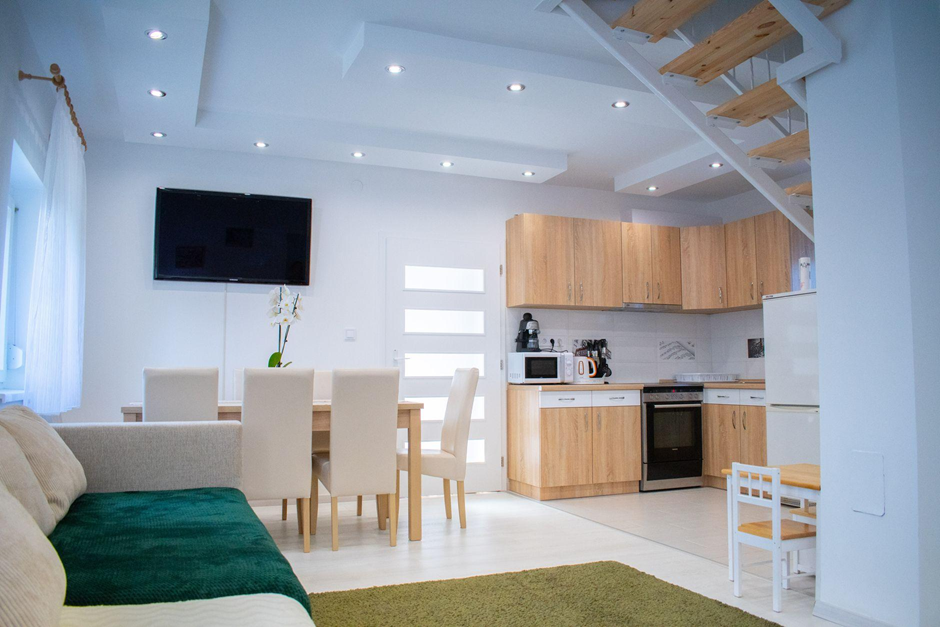
Renovating the interior is the stage where you finally see visible results. This is where an old house starts to feel like a new and comfortable living space.
At this point, you can focus on elements that shape the overall look and feel of your home. Replacing old carpet, refinishing hardwood or wood floors, and updating the floor layout can completely change how the space feels. In addition, a fresh coat of paint, new paint colors, and updated light fixtures can give your home a fresh look without a big renovation. Even simple changes, such as new interior doors, modern molding, or updated window treatments, can make a big impact and help the space look more modern.
This stage also gives you room to adjust the layout of key areas like the bedroom, bathroom, or kitchen. Small upgrades in kitchens and bathrooms often make a huge difference in daily comfort and the value of your home. When all elements come together, the entire space gains a modern appearance and a new look that reflects both functionality and style.
How to Plan the Work in the Right Order
Planning the work in the right order is essential when modernizing an old house. A clear sequence helps you avoid mistakes and reduces the need to repeat work.
At the start, you should always focus on technical and structural elements. This means fixing moisture issues, repairing the roof, and upgrading installations before moving to visible changes. If you skip this order, you risk damaging new finishes during later stages of renovation. A well-planned renovation process protects your time, budget, and the overall quality of the work.
Once the essential systems are complete, you can move to insulation, windows, and finally interior updates. This step-by-step approach ensures that every stage supports the next one. As a result, the entire house improves consistently, and each change really does make a big difference in the final outcome.
Which Upgrades Are Worth Prioritizing on a Limited Budget?
When you have a limited budget, you should focus on upgrades that make a big difference with minimal cost. Smart choices allow you to modernize an old house without a full remodel.
One of the easiest ways to update a dated home without remodeling is to refresh surfaces. A new coat of paint or even a fresh coat of paint in well-chosen paint colors can completely change the look and feel of your home. This simple change can make a room feel brighter, cleaner, and more modern without a big renovation. In many cases, replacing old light fixtures or updating electrical outlets also helps the space look less dated.
Another effective step is improving key elements like the floor and doors. Removing old carpet, restoring wood floors, or installing new interior doors can make a huge difference in the overall look. These changes are often affordable and work well as DIY projects. When you focus on practical ideas instead of expensive solutions, you can make your home look more modern and increase the value of your home step by step.