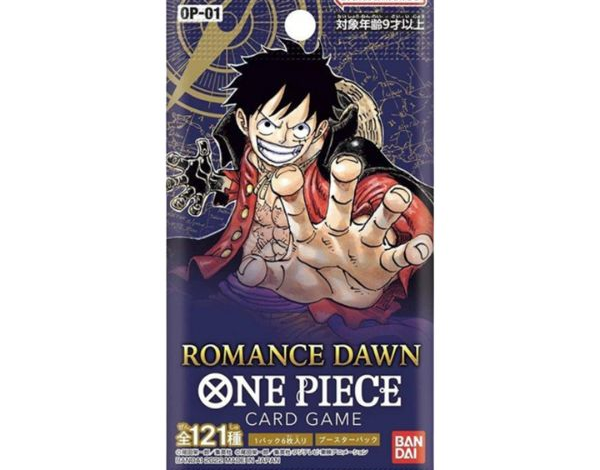
The world of trading cards has grown rapidly, and One Piece cards have become a favorite among collectors, fans, and investors alike. Inspired by the long-running and beloved series, these cards offer a mix of beautiful artwork, strategic gameplay, and the excitement of rarity. Whether you’re a long-time follower of the series or someone discovering the hobby for the first time, understanding how One Piece cards work can help you get the most out of your collection. From finding the right cards to building value, this guide walks you through everything you need to know about collecting and investing in One Piece trading cards.
Introduction to One Piece Cards
One Piece cards are collectible trading cards based on the characters, battles, and storylines from the popular series. They attract a wide range of enthusiasts—casual fans who enjoy the artwork, competitive players who appreciate the game mechanics, and investors who are interested in long-term value. The variety of card types, art styles, and rarity levels makes this hobby both fun and rewarding.
What sets One Piece cards apart is their combination of entertainment and collectibility. Every card tells a piece of the story through visuals, character representation, and unique features. At the same time, their collectible nature makes them appealing to those looking to build valuable collections over time.
Understanding the Different Types of One Piece Cards
Before you begin your journey as a collector or investor, it’s important to understand the different kinds of cards available. One Piece cards usually come in categories such as standard, rare, and high-rarity editions. These higher-rarity cards often showcase special artwork, metallic finishes, textured designs, or alternate illustrations.
Collectors tend to look for cards that highlight iconic characters or memorable scenes. Limited-edition cards, character-themed cards, and cards with unique visual effects often draw the most attention. As you explore these, you’ll start identifying what appeals to you—whether it’s the art, the character significance, or the level of rarity.
How Rarity Affects Card Value
Rarity is one of the key factors that influence the value of One Piece cards. Cards generally fall into tiers, with common cards being easy to find and high-rarity cards being much more limited. Scarcity naturally increases desirability, especially when the card features a major character or showcases exclusive artwork.
While beginners often focus on collecting a variety, collectors and investors soon learn that rarity can significantly impact long-term value. Rare cards are usually produced in smaller quantities, making them more difficult to obtain later. Because of this, starting early and keeping an eye out for limited releases can be beneficial.
Why One Piece Cards Appeal to Collectors
Collectors gravitate toward One Piece cards for several reasons. The artwork is visually appealing, capturing the essence of beloved characters in vibrant and detailed designs. The connection to the story also makes each card feel meaningful, especially for fans who have followed the series for years.
Collecting these cards offers a sense of accomplishment and enjoyment. Completing sets, discovering alternate artwork, and protecting rare finds are all part of what makes this hobby engaging. It allows fans to build a physical extension of their connection to the series, which is something many appreciate.
Starting Your One Piece Card Collection
Beginning your collection can be an exciting experience. The first step is deciding what type of collector you want to be. Some people focus on building full sets from different releases, while others target specific characters or artwork styles. There’s no right or wrong way to collect the best approach is the one that matches your interests.
As you start collecting, it helps to stay organized. Many collectors create a system for storing and cataloging their cards so they can track what they have and what they want next. A consistent collecting strategy makes it easier to expand your collection over time without losing track of your goals.
Protecting and Maintaining Your Cards
The condition of your cards plays a significant role in their value. Even a rare card can lose appeal if it’s scratched, bent, or faded. Protecting your cards from damage is one of the most important practices for any collector or investor.
Storing cards in protective sleeves or structured binders helps maintain their quality. Keeping them in a cool, dry environment can also prevent warping or fading. Regularly checking on your cards and ensuring they remain in good condition can preserve their appearance and long-term value.
The Emotional Value of Collecting
While financial value is often discussed, the emotional value of collecting One Piece cards is just as important. Many collectors enjoy the thrill of opening packs, discovering unexpected rares, or finally finding a card they’ve been searching for. Others collect because the cards remind them of key moments, characters, or themes from the series.
This emotional connection is one of the reasons the hobby remains strong. Even as trends shift, the sentimental value of building a collection keeps people engaged. For many, collecting becomes a long-term passion rather than a short-term activity.
Investing in One Piece Cards
In addition to collecting for enjoyment, many people are interested in the investment potential of One Piece cards. Since some cards increase in value over time, collectors often choose to purchase cards with future growth in mind. Cards featuring major characters, limited editions, or special artwork often show the strongest long-term potential.
Investing in One Piece cards requires patience. The value of a card typically grows slowly, influenced by factors like rarity, condition, demand, and relevance to the series. Holding onto rare cards and keeping them in excellent condition can create opportunities for long-term gains.
Understanding Market Trends
Like any collectible market, the value of One Piece cards can shift based on trends. Interest can rise when new story arcs are released, when certain characters gain popularity, or when new card series are introduced. Observing these changes can help collectors and investors make informed decisions.
Market trends often influence which cards become highly sought after. Being aware of what fans are excited about or what collectors are searching for can help you understand the potential future value of your collection.
Balancing Collecting and Investing
Many people enjoy balancing collecting with investing. They build a collection based on personal preference while also keeping an eye on cards that may gain value. This dual approach allows you to enjoy the hobby while also giving your collection potential financial benefits.
The key is to stay informed and thoughtful. While it’s important to collect cards that you personally enjoy, having a strategy for identifying rare or promising cards can help you build a collection that is both meaningful and potentially valuable.
The Long-Term Future of One Piece Cards
The future of One Piece cards remains bright. As long as the series continues to inspire fans, the demand for these cards is likely to stay strong. New releases keep the hobby fresh, while older cards become more valuable over time due to limited supply.
Collectors who stay engaged and nurture their collections often see their interest grow alongside the evolving world of One Piece. The combination of nostalgia, artwork, and long-term collectibility creates lasting appeal.
Final Thoughts
Collecting and investing in One Piece cards is an enjoyable and rewarding hobby. Whether you’re drawn to the artwork, the connection to the story, or the excitement of finding rare cards, there’s something for everyone. With the right understanding of rarity, protection, and market trends, you can build a collection that brings joy and holds long-term potential. The journey is as meaningful as the cards themselves, offering a blend of creativity, emotion, and discovery that keeps collectors returning again and again.