The physical environment in which people work has a profound influence on their performance, wellbeing, and engagement. Research consistently demonstrates that thoughtfully designed workspaces support higher levels of concentration, collaboration, and creativity, while poorly designed offices contribute to discomfort, distraction, and disengagement. For businesses in the Shoalhaven and Illawarra region, investing in a well-planned office fitout is an investment in the people who drive the organisation forward.
How office design influences employee performance
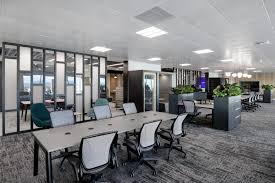
The relationship between the physical workspace and employee performance is well documented in organisational psychology and workplace design research. Factors such as natural light, acoustic comfort, thermal regulation, access to quiet spaces for focused work, and opportunities for informal collaboration all influence how well people are able to concentrate, communicate, and sustain their energy through a working day. A fitout that addresses these factors creates conditions that support consistently higher performance.
Poor acoustic design is one of the most frequently cited sources of workplace dissatisfaction in open plan office environments. When conversations, phone calls, and ambient noise from equipment create a constant background of disruption, the cognitive cost of maintaining concentration is significantly higher than it would be in a quieter environment. Acoustic panels, strategic placement of meeting rooms and collaboration zones, and the use of sound-absorbing materials in the fitout design can substantially reduce noise-related distraction and improve the quality of the working environment.
Lighting quality has a measurable impact on alertness, visual comfort, and mood. Offices that rely solely on fluorescent overhead lighting without adequate natural light tend to generate higher levels of eye strain and fatigue among occupants. Maximising access to natural light through thoughtful space planning, supplementing with high-quality LED lighting that mimics the spectrum of natural light, and providing individual lighting control where possible all contribute to a more comfortable and health-promoting work environment.
Furniture ergonomics directly affects the physical health and comfort of office workers, with poor-quality or incorrectly configured workstations contributing to musculoskeletal problems that are among the most common causes of workplace injury and absenteeism. Height-adjustable desks, ergonomically designed chairs, and correctly positioned screens and input devices support healthy posture and reduce the cumulative physical strain of prolonged desk work. Experienced specialists in office fitouts in Nowra incorporate ergonomic principles into their designs from the outset, ensuring that the workspace is as comfortable as it is functional.
Planning an office fitout for your business
Effective fitout planning begins with a thorough brief that captures the specific needs, workflows, and culture of the business. Understanding how different teams collaborate, what types of tasks dominate the working day, how much private and focused work is required alongside open collaboration, and what the brand values and aesthetic of the organisation suggest about the appropriate design direction all inform a fitout brief that leads to a genuinely fit-for-purpose outcome rather than a generic office layout.
Space planning is the foundation of the fitout design process. Mapping the flow of people and activity through the space, allocating appropriate areas for different types of work, and ensuring that the relationships between different functions support rather than impede the natural workflows of the business creates a spatial logic that makes the office intuitively easy to use. Good space planning resolves potential conflicts between noisy and quiet uses, between private and collaborative zones, and between high-traffic and concentration-dependent areas.
Technology integration is a non-negotiable component of any modern office fitout. Ensuring that meeting rooms are equipped with reliable audio-visual technology, that wireless connectivity is robust throughout the space, that power and data outlets are positioned to support the way people actually work, and that the infrastructure for future technology upgrades is built into the fitout from the beginning prevents the costly retrofitting that is often required when technology is treated as an afterthought.
Sustainability and environmental performance are increasingly important considerations in office design, driven by both the genuine commitment of many businesses to reducing their environmental impact and by the preference of many employees to work for organisations that demonstrate environmental responsibility. Specifying sustainable materials, energy-efficient lighting and HVAC systems, and designs that maximise natural ventilation and daylight are all strategies that contribute to a more sustainable fitout without compromising the quality of the working environment.
Working with a professional fitout specialist
The value of engaging a professional fitout specialist rather than attempting to manage a fitout internally lies in the expertise, industry relationships, and project management capability that a specialist brings to the process. A well-established fitout company has access to a broad range of quality suppliers, understands the regulatory requirements that apply to commercial tenancy works, and has the project management systems to coordinate trades and deliver the project on time and within budget.
Design development is an iterative process that requires ongoing dialogue between the client and the designer. The most successful fitout projects are those where the client is actively engaged in reviewing and responding to design proposals, providing clear feedback, and making timely decisions that keep the project moving forward. Establishing a clear decision-making process and communication protocol at the start of the project prevents the delays and misalignments that can arise when feedback is slow or inconsistent.
Just as a business tracks its online performance using a reliable backlink monitoring tool to understand and optimise its digital presence, a business should similarly track and evaluate the performance of its office environment after a fitout is complete. Gathering feedback from staff on the functionality and comfort of the new space, monitoring changes in productivity and attendance, and reviewing whether the space is being used as intended all provide valuable data that informs future decisions about the workspace.
The long-term return on a quality office fitout
A well-executed office fitout pays dividends over many years through improved employee performance, reduced absenteeism, stronger talent attraction and retention, and a workspace that reflects positively on the organisation’s culture and brand. The upfront investment needs to be assessed against these long-term returns rather than treated as a pure cost, and the comparison should include the cost of the status quo: the productivity lost in a poorly designed space, and the talent lost when the physical environment fails to meet the expectations of the people the organisation needs to attract.
Fitout decisions that prioritise flexibility are particularly valuable given the pace of change in how and where people work. Modular furniture systems, movable partitions, and designs that can be reconfigured to support different working modes without structural changes allow the office to adapt as the organisation’s needs evolve. Building adaptability into the fitout from the start reduces the need for disruptive and costly renovations every time the business changes its working model or grows its team.
Client and visitor impressions of an office space are shaped within the first few moments of entering, and those impressions carry genuine weight in how the organisation is perceived. A professional, well-designed reception area and meeting spaces that are comfortable, well-equipped, and appropriately branded communicate competence and attention to detail. For businesses that regularly host clients, the fitout is part of the service delivery itself, and its quality directly influences the confidence clients place in the organisation.
The decision to invest in a quality office fitout is ultimately a statement about how seriously an organisation takes the experience of the people who work within its walls and the clients it serves. In the Shoalhaven and Illawarra region, businesses that have made this investment consistently report that the improvements in culture, performance, and reputation that follow have exceeded their expectations. A great workspace is one of the most tangible and lasting contributions a leader can make to the long-term health of their organisation.