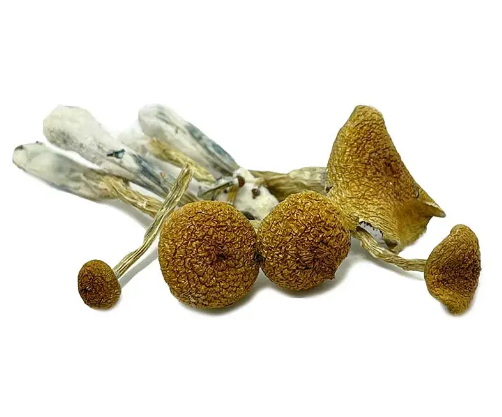
Natural products are not always identical from one batch to the next. Unlike many fully synthetic manufactured materials, biological products develop through processes influenced by genetics, environmental conditions, harvesting, processing, and storage. This natural variability is an important part of understanding mushroom products and other materials derived from living organisms.
For consumers, differences between batches can sometimes raise questions. Two products may have similar names and packaging while still having small differences in appearance, texture, or other characteristics. Understanding why this happens can make product information easier to interpret and encourage more realistic comparisons.
Rather than assuming that every variation represents a quality problem, it is useful to consider the biological and production factors that can contribute to differences.
Genetics and Biological Variation
Genetics is one of the basic sources of variation in biological organisms. Different species, varieties, and genetic lines can have their own characteristics, meaning that biological material is not necessarily identical even when it belongs to the same broad category.
In mushrooms, genetic differences can influence physical development and other biological characteristics. This is one reason why naturally occurring materials may show variation in size, colour, shape, or other observable features.
Genetic variation can also interact with environmental conditions. Two organisms with different genetic backgrounds may respond differently even when they are exposed to broadly similar surroundings.
This does not mean that every difference can be explained by genetics alone. Biological characteristics generally result from several factors working together.
For consumers, the key point is that a natural product should not always be expected to look exactly the same across every batch. Some variation can be an ordinary feature of biological materials.
Growing Conditions
The environment in which mushrooms develop can also contribute to differences between batches. Temperature, moisture, substrate, air conditions, and other environmental variables can influence fungal development.
Growing conditions can vary even within controlled production systems. Small differences in environmental conditions may affect how biological material develops, while larger differences between cultivation systems can produce more noticeable variations.
Several factors can contribute to this:
- Temperature: Different fungi respond differently to changes in temperature.
- Moisture: Water availability can influence fungal development and the surrounding environment.
- Substrate: The material supporting fungal growth can differ in composition and physical characteristics.
- Air conditions: The surrounding atmosphere can influence the growing environment.
- Cultivation system: Different production environments can introduce different variables.
These factors demonstrate why biological production is more complex than simply following a fixed manufacturing formula.
Environmental variation does not automatically indicate that a product is unsuitable or inconsistent. Instead, it provides context for why naturally derived materials can have characteristics that differ slightly from one batch to another.
Harvest and Processing
The period between cultivation and the finished product can introduce additional sources of variation. Harvest timing, drying, processing, and storage can all influence the characteristics of natural mushroom material.
Harvesting involves removing the biological material from its growing environment. The timing of this stage can differ depending on the cultivation system and production process.
Processing can then change the physical form of the material. Mushrooms may be dried, processed into other forms, or incorporated into formulated products. Each stage introduces its own considerations.
For a retailer such as Shrooms Direct, clear product information can help consumers understand the form in which mushroom material is presented rather than making assumptions based solely on the product name.
Storage is another relevant factor. Temperature, humidity, light, and exposure to air can affect different natural materials in different ways. Proper packaging and appropriate handling therefore form part of maintaining product characteristics after processing.
Taken together, these stages demonstrate that natural product variation does not necessarily originate at one specific point. Differences can develop through a combination of biological growth and post-harvest processes.
Why Product Formulation Changes the Equation
Once mushroom material becomes part of a formulated product, additional factors can influence how the finished item differs from raw or dried material.
A whole mushroom product is fundamentally different from a formulation containing mushroom-derived ingredients alongside other components. Capsules, chocolates, gummies, and other finished products can involve several ingredients and processing stages.
Several distinctions are useful:
- Whole mushrooms: The product consists primarily of the mushroom material itself.
- Powders: Dried mushroom material may be processed into a finer form.
- Extracts: Extraction involves additional processing and produces a different type of ingredient.
- Capsules: Mushroom-derived material can be incorporated into a capsule alongside other formulation components.
- Edibles: Chocolates, candies, and gummies may contain several additional ingredients.
These differences mean that batch variation needs to be considered in the context of the particular product format.
A change in the appearance of a dried mushroom product is not directly comparable with a change in a formulated edible. The ingredients, processing methods, packaging, and storage conditions may all be different.
Understanding the formulation therefore helps consumers make more meaningful comparisons rather than treating every mushroom product as if it were produced in the same way.
Why Consumers Should Be Careful With Comparisons
Product names and packaging can make two items appear almost identical, but similar presentation does not necessarily mean identical composition.
This is particularly important when comparing products from different batches or different manufacturers. Even when the same general mushroom name is used, the underlying material, formulation, processing method, or production environment may differ.
Consumers can make comparisons more carefully by considering:
- Product-specific information: Read the actual description rather than relying only on the product name.
- Ingredients: Check whether the listed ingredients are the same between products.
- Format: Compare like with like, such as dried products with other dried products or similar formulations with each other.
- Specifications: Consider quantity, packaging, and other available details.
- Batch information: Where provided, batch-specific information can offer useful context.
This approach avoids the assumption that a small difference automatically represents a meaningful quality difference.
It is also important to distinguish natural variation from changes caused by manufacturing or storage. Without appropriate information, it may be impossible to identify the exact reason for a particular difference simply by looking at the finished product.
Importance of Transparency
Clear communication can make natural product variation easier for consumers to understand. Retailers and manufacturers can provide useful context by maintaining accurate product information and avoiding descriptions that imply unrealistic uniformity.
Several practices can support transparency:
- Batch information: Where appropriate, identifying batch details can help connect products with specific production periods.
- Consistent labelling: Clear terminology makes it easier to compare products over time.
- Quality control: Appropriate production and inspection processes can help maintain consistency within defined specifications.
- Clear communication: Consumers benefit when relevant changes to ingredients, formulations, or packaging are explained.
- Updated descriptions: Online listings should reflect the current product rather than relying on outdated information.
Transparency does not mean claiming that every batch will be exactly identical. Instead, it means giving consumers enough information to understand what they are purchasing and what types of natural variation may reasonably occur.
This is especially valuable for specialised products because unfamiliar terminology can otherwise make ordinary biological differences appear more significant than they actually are.
Conclusion
Variation is a natural feature of biological products. Genetics, growing conditions, harvesting, processing, formulation, and storage can all contribute to differences between batches.
For consumers, the most useful approach is not to assume that every difference indicates a problem or that similar-looking products are automatically identical. Instead, product-specific information, ingredient lists, specifications, and clear labelling provide a better basis for comparison.
Transparent communication is particularly important in online retail, where consumers cannot physically inspect products before purchasing them. When retailers provide accurate and current information, they make it easier for customers to understand natural variation and evaluate products realistically.


