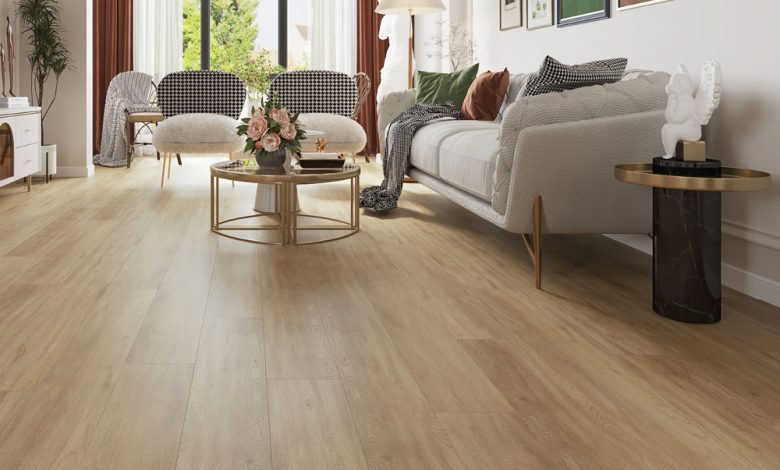
Choosing new flooring for a Dubai home is a bigger decision than it first appears. The floor must survive intense summer heat, constant air conditioning, sand tracked in from outside, and the daily wear of family life, all while looking good year after year. That is why more homeowners are moving away from tiles and carpets and choosing a surface that is tough, beautiful, and easy to live with.
If you are renovating or fitting out a new villa or apartment, Vinyl flooring dubai offers a practical starting point, with wood, stone, and marble looks to suit almost every budget. Before you buy, it helps to understand the types available, what makes vinyl so well suited to Dubai homes, how installation works, and what you should expect to pay.
What Is Vinyl Flooring?
Vinyl flooring is a synthetic floor covering made from several bonded layers of PVC, designed to imitate natural materials such as hardwood, stone, or ceramic tile. The top layer is a clear, hard-wearing wear layer that protects the printed design beneath it, while the core gives the plank or tile its strength and stability. Modern designs are so realistic that many people cannot tell good vinyl from real oak until they touch it.
Unlike the thin vinyl sheets of decades past, today’s luxury vinyl feels solid underfoot and stays quiet when walked on. It comes as planks that mimic wood, tiles that mimic stone or marble, and large sheets for seamless coverage. Because it is resilient rather than rigid like ceramic, it is also more comfortable to stand on for long periods, which matters in kitchens where you spend a lot of time on your feet.
The Main Types of Vinyl Flooring
The most common choice for Dubai homes is luxury vinyl plank, often shortened to LVP. These planks click together and come in wood-look designs with realistic grain, knots, and colour variation. They are a favourite for living rooms and bedrooms, giving the warm look of hardwood without the worry of warping or scratching. Luxury vinyl tile, or LVT, works the same way but in square formats that copy stone, marble, or concrete.
Sheet vinyl is the third main type, supplied in large rolls that cover a whole room with very few joins. It is a budget-friendly option for kitchens, bathrooms, and laundry areas where a seamless, water-tight surface matters most. You will also hear about SPC and WPC cores: SPC has a stone-plastic core that is extremely rigid and stable in heat, while WPC feels slightly softer underfoot.
Why Vinyl Flooring Works So Well in Dubai
Dubai’s climate is hard on floors. Summer temperatures regularly pass 45 degrees, humidity swings with the seasons, and air conditioning runs almost all year, drying the indoor air. Natural wood can shrink, gap, or warp under these conditions, and carpet traps dust and sand. Vinyl, by contrast, barely reacts to temperature and humidity changes, so it stays flat and stable all year.
Daily life in the city adds more reasons to choose vinyl. Sand and fine dust come in on shoes no matter how careful you are, and vinyl’s smooth, sealed surface is easy to sweep and mop clean. It does not stain easily and it handles the comings and goings of a busy household. For families with children or pets, that easy maintenance matters.
Waterproof Quality and Durability
One of vinyl flooring’s biggest strengths is that it is fully waterproof. Spilled water, a knocked-over drink, a wet mop, or a splash from the bathroom will not soak in, swell the boards, or leave a stain the way they would with laminate or hardwood. This makes vinyl the natural choice for kitchens, bathrooms, and entrance areas, where moisture is a daily reality rather than an occasional accident.
Durability is measured mainly by the wear layer, usually given in millimetres. A wear layer of 0.3 mm suits light residential use, while 0.5 mm or more is better for busy family homes and rentals. Good vinyl with a thick wear layer resists scratches from furniture, pet claws, and high heels, and can look new for ten to twenty years. Always check the wear layer and warranty before comparing prices.
The Best Rooms for Vinyl Flooring
Vinyl works in almost every room of a Dubai home, but it shines brightest in a few places. Living rooms benefit from the wood-look warmth and the quiet, comfortable feel underfoot. Bedrooms gain the same warmth, with the added advantage that vinyl does not hold dust the way carpet does, which is good news for anyone with allergies. Kitchens and bathrooms are obvious winners thanks to the waterproof surface and the easy wipe-clean finish.
Vinyl is an indoor product, so do not lay it on open balconies or terraces facing direct sun and rain. Rooms with large glass walls and strong afternoon sun are fine, but a lighter colour and a rigid SPC core help the floor cope with the extra heat. Stairs can also take vinyl with a skilled installer and matching stair nosing.
Installation: What to Expect
Most modern vinyl planks and tiles use a click-lock system that floats over the existing subfloor, so installation is fast and dust-free. A team can usually finish an average apartment in one to two days, and a villa in three to five. The key step is preparing the subfloor: it must be clean, dry, and level, because small bumps show through thin vinyl. Installers often lay new vinyl directly over existing tiles, saving the cost and mess of removing them.
How Much Does Vinyl Flooring Cost in Dubai?
Prices vary with quality, brand, and type, but as a guide, budget sheet vinyl is cheapest, mid-range luxury vinyl plank sits in the middle, and premium SPC planks cost the most. Installation is usually charged per square foot on top of the material, plus skirting, underlay, and any subfloor levelling. Always ask for the total price including material, installation, and finishing, and you can see current options at https://www.carpetshopdubai.com/vinyl-flooring.php.
How to Choose the Right Vinyl Floor
Start by ordering samples and viewing them at home, in daylight and under evening lights, because colours shift a lot between a showroom and your living room. Match the wear layer to each room’s traffic, pick an SPC core for sun-exposed or high-traffic areas, and check for a solid residential warranty of at least ten years. Wide planks and pale oak tones make small apartments feel larger, while darker walnut or grey stone suits spacious villas.