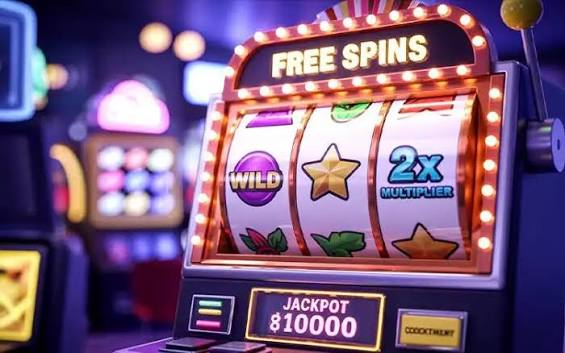
A player opening an okplay slot title will usually see reels, symbols, paylines, and bonus features designed to make each spin visually engaging. Behind that presentation is a game of chance in which outcomes are uncertain and the operator or provider holds a mathematical advantage over time. Understanding the paytable, volatility, return information, and spending controls cannot remove risk, but it can help a player make clearer entertainment decisions.
How a Modern Online Slot Produces Results
Most digital slots use a random number generator to select an outcome when a valid spin is accepted. The animation then displays that result through reels and symbols. In a properly implemented game, the previous spin does not make a specific symbol more likely on the next one. A long losing sequence does not mean a win is due, and a recent payout does not mean the machine has become cold.
This independence is why pattern systems cannot reliably predict the next result. Stopping a reel animation, changing spin speed, switching devices, or playing at a particular hour does not create control over the random selection. These actions may change the feel of the session, but they should not be confused with a winning strategy.
Read the Paytable Before the First Spin
The paytable explains which symbol combinations award a prize and how the bet affects potential payouts. It should identify wild symbols, scatters, free spins, multipliers, bonus rounds, and any special mechanics. Some games evaluate fixed lines, while others use ways-to-win, clusters, or symbols that pay in any position. The rules matter because two games with similar artwork may calculate wins very differently.
Check the minimum and maximum bet and whether a displayed amount is the total stake or a per-line value. On some titles, optional features increase the cost of each spin. A buy-feature button may charge many times the base wager for immediate access to a bonus, but it does not guarantee a profit. The full price must be treated as one wager when applying a session budget.
Understand RTP Without Treating It as a Promise
Return to player, often shortened to RTP, is a theoretical percentage calculated across a very large number of plays under specified conditions. It is not a promise that an individual will receive that percentage back during a session. A game with a published RTP of any particular level can still produce a complete loss of the session budget.
Some providers offer more than one RTP configuration for the same title, so players should consult the information screen inside the actual game. Even accurate return data does not eliminate the house advantage. The safest interpretation is comparative and long-term, never a personal forecast.
Volatility Shapes the Experience
Volatility describes how payouts tend to be distributed. A lower-volatility title may produce smaller wins more frequently, while a high-volatility title may go longer without a meaningful return and occasionally produce a larger result. Both can lose money, and neither is inherently better. The suitable choice depends on the entertainment budget, preferred pace, and tolerance for swings.
High volatility can exhaust a small budget quickly, especially when the bet size is large. Lower volatility can create many small returns that extend play but still result in a net loss. Players should focus on total money spent and remaining, not only on how often the screen celebrates a win.
Separate a Win From a Net Gain
Slots often display coins, sounds, or animations whenever a spin returns something, even when the payout is smaller than the stake. If a player wagers ten units and receives four, the balance has fallen by six despite the win presentation. Reading the balance and session history is more reliable than reacting to the animation.
Bonus credits can also create confusion. A promotional balance may be subject to wagering conditions and may not be immediately withdrawable. Review the contribution rate, expiry date, maximum bet, eligible titles, and withdrawal cap. A large displayed balance is not the same as cash available to withdraw.
Use Bet Sizing to Protect the Session Limit

Choose the total session budget first, then divide it into a reasonable number of spins at a modest stake. This is not a profit strategy; it is a way to slow spending and make the cost visible. Increasing the bet after losses is a form of chasing and can consume the remaining budget rapidly.
Autoplay can make the process feel passive, so use it cautiously or avoid it. If used, set strict loss, win, and spin-count limits where available, and never leave the game unattended. Turbo modes shorten the time between wagers and can increase spending per minute without changing the underlying odds.
Treat Bonuses and Jackpots Realistically
Free-spin rounds, expanding symbols, multipliers, and jackpots add variety, but they do not remove uncertainty. A progressive jackpot may grow as players contribute through eligible wagers, while a fixed jackpot has a stated prize. Eligibility can depend on stake size or game mode, so the rules should be checked rather than assumed.
The possibility of a large prize can distort judgment because the eye focuses on the top outcome rather than its likelihood. Do not raise the stake to qualify for a jackpot unless that cost already fits the planned entertainment budget. A rare maximum win should never be used as the basis for financial expectations.
Use Demo Mode for Learning, Not Prediction
Demo play can help a newcomer understand buttons, paylines, bonus symbols, and bet settings without immediate financial risk. It is useful for testing whether the pace and visual design are enjoyable. However, a successful demo session does not show that real-money play will behave the same way over a short period.
Before switching to real funds, pause and set a separate limit. Do not carry an imaginary demo balance or its bet size into paid play. Real money can change emotions and decision-making, which is why time reminders and lower stakes become more important.
Recognize Common Slot Myths
- A game is not necessarily due to pay after a long losing sequence.
- Changing the time of day does not create a reliable advantage.
- A near-miss animation does not mean the next spin is closer to winning.
- Increasing the stake cannot recover losses safely or predictably.
- A streamer or influencer’s result does not represent a typical session.
Know When to Stop
Set money and time limits before play and stop when either is reached. Never use funds needed for essentials, borrow to continue, or deposit because a loss feels recoverable. Take a break if frustration, urgency, or numb automatic spinning appears. Cooling-off and self-exclusion tools are appropriate whenever ordinary limits are not enough.
Gambling should remain one optional form of entertainment among many. If it causes secrecy, conflict, sleep loss, debt, or repeated failed attempts to stop, contact a qualified support service in the player’s location. Protecting health and finances is always more important than completing a bonus or continuing a session.
Conclusion
Slots are easier to approach responsibly when players understand random outcomes, read the paytable, distinguish RTP from a personal promise, and keep every wager inside a fixed budget. Those who want to compare slots with other okplay games should review each title’s current rules and limits before playing. Variety can improve entertainment, but no game category should replace legal checks, secure account habits, or a firm decision to stop.