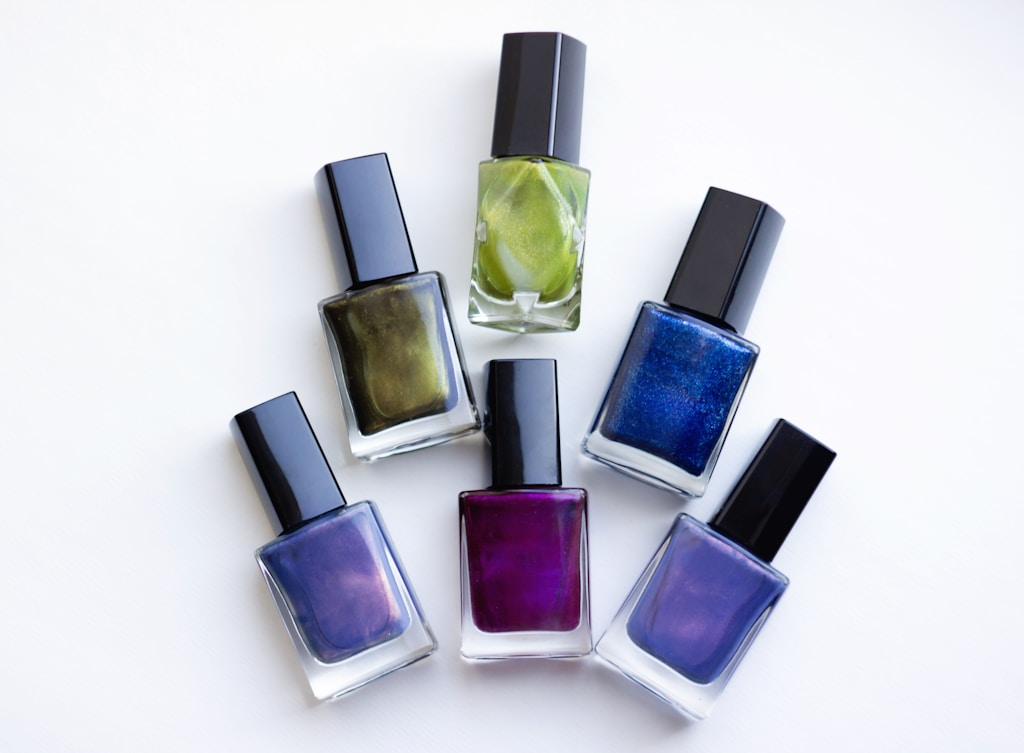
Launching a nail polish line requires more than selecting attractive colors. A successful collection should combine a clear brand concept, a balanced shade range, consistent product quality, practical packaging, and a production model that can scale with demand. For cosmetics companies, retailers, and private-label brands, these decisions influence both the first launch and the long-term development of the assortment.
Before approaching a manufacturer, it is worth defining who the collection is for, how it will be positioned, and which products are genuinely needed at launch. A focused range is often easier to market, stock, and expand than an oversized collection built without a clear structure.
Start with a Clear Target Customer
The color palette should reflect the preferences of the intended audience. A brand aimed at everyday consumers may focus on wearable neutrals, classic reds, pinks, and seasonal shades. A trend-driven line can include more experimental finishes, metallics, deeper colors, and limited editions.
It is also important to consider where the products will be sold. A collection designed for drugstores may require a different assortment and price positioning than one developed for specialist beauty retailers or an online-first cosmetics brand.
The clearer the customer profile, the easier it becomes to make decisions about shades, packaging, bottle size, and the number of products in the initial range.
How Many Shades Should a New Collection Include?
There is no universal number. The right range depends on the budget, distribution model, minimum order quantities, and expected sales volume.
A carefully selected launch collection may include:
- several neutral everyday shades,
- classic reds and pinks,
- darker colors for autumn and evening wear,
- seasonal or trend-led options,
- one or two distinctive shades that define the brand,
- complementary finishes where appropriate.
The key is differentiation. Launching several nearly identical colors can unnecessarily increase inventory without significantly expanding the choice available to customers.
Why Formula Consistency Matters
A strong color range is only valuable if each product performs consistently. Customers expect predictable application, coverage, drying characteristics, and finish across different production batches.
This makes quality control especially important when a brand plans recurring orders. A shade introduced as a permanent part of the range should retain comparable visual and functional properties when it is manufactured again.
Consistency also matters across the collection. Significant differences in viscosity, brush performance, or coverage between shades can make the range feel less coherent even when the packaging looks uniform.
ADOS and the Development of Nail Polish Ranges
ADOS has experience in the cosmetics sector and produces cosmetics, including nail products. For businesses building or expanding an assortment, cooperation with an experienced manufacturer can simplify decisions concerning product range, production capacity, and future scaling.
When searching for a nail polish manufacturer, companies should define their expectations before beginning discussions. The intended number of shades, expected order volume, target market, packaging requirements, and launch schedule all influence the most suitable production approach.
ADOS can also be considered by businesses that want to develop their assortment gradually. Starting with a focused collection and introducing additional shades according to demand can reduce inventory pressure and make later product decisions more data-driven.
How Should Packaging Be Planned?
Packaging performs both a practical and branding function. The bottle, cap, brush, label, and outer presentation should create a consistent product while remaining convenient for the end user.
Bottle appearance should correspond with the desired market position. Minimal packaging may suit a modern brand, while more decorative elements can support a different visual identity.
However, design should never completely overshadow functionality. A well-designed brush, secure closure, clear labeling, and reliable packaging during transport are essential for the customer experience.
Permanent Shades or Seasonal Collections?
A balanced assortment usually benefits from combining evergreen products with limited or seasonal launches. Permanent shades create a stable core range, while seasonal colors allow the brand to respond to changing preferences.
Classic reds, nude tones, pinks, and selected darker shades can remain in the portfolio for longer periods. Trend-focused colors may be introduced in smaller collections linked to spring, summer, autumn, festive periods, or specific campaigns.
This structure makes inventory management easier because not every shade has to be maintained at the same stock level throughout the year.
Why Samples and Product Testing Are Essential
Before placing a larger order, brands should evaluate samples in realistic conditions. A shade that looks attractive in a bottle may behave differently once applied.
Testing should consider opacity, ease of application, finish, drying behavior, brush performance, and the appearance of multiple coats. It is also useful to compare how the color looks under different lighting conditions.
For a broader collection, shades should be tested not only individually but also as a group. This helps identify unnecessary duplication and gaps in the palette.
How to Plan for Future Growth
A manufacturer should be selected with more than the first order in mind. If the collection succeeds, the brand may need larger volumes, new shades, revised packaging, or additional cosmetic categories.
For this reason, production capacity and communication are important from the beginning. A partner that can support repeat orders and product development may provide greater long-term value than one selected only on the basis of the lowest initial price.
It is also worth considering whether the collection can be expanded logically. New launches should strengthen the existing assortment rather than create a disconnected group of products.
Common Mistakes When Launching a Nail Polish Line
One common mistake is creating too many shades before there is enough sales data to justify them. Another is focusing almost entirely on packaging while giving too little attention to formula consistency and usability.
Brands may also underestimate the importance of lead times and production planning. Seasonal launches require particularly careful scheduling because a delayed collection can lose much of its commercial relevance.
A well-prepared launch therefore combines creative product development with realistic operational planning.
FAQ – Developing a Nail Polish Collection
Should a new brand launch many shades at once?
Not necessarily. A smaller, well-structured collection can make inventory management easier and provide useful sales data before the range is expanded.
Why are product samples important?
Samples allow the brand to evaluate color, coverage, consistency, application, and overall product performance before committing to a larger production run.
Can seasonal colors be added later?
Yes. Seasonal additions are a practical way to refresh an existing collection without changing the permanent core assortment.
Is packaging as important as the nail polish formula?
Both matter. Packaging affects branding and usability, while the formula determines the actual product experience. A successful range needs consistency in both areas.
What should a company prepare before contacting a manufacturer?
It is useful to define the target customer, approximate number of shades, expected order volume, intended market, packaging preferences, and planned launch timeline.
A Strong Collection Begins with a Clear Product Strategy
The best nail polish ranges are built around a defined customer, a coherent color palette, reliable product performance, and realistic production planning. By making these decisions early, a cosmetics brand can create a focused launch, control inventory more effectively, and establish a foundation for future collection growth.