Understanding Why Football Tactics Shape Every Match From the Very First Whistle
Football is much more than individual talent or physical fitness. Every successful team enters a match with a carefully designed tactical plan that influences movement, possession, defending, and attacking. Whether a team chooses to dominate the ball or rely on quick counterattacks, tactics often determine the outcome. Fans who understand formations and strategic adjustments gain a much deeper appreciation of the game. Many football enthusiasts also explore football analysis alongside platforms such as 8xbet to follow matches with greater tactical awareness. Coaches spend countless hours studying opponents, identifying weaknesses, and preparing players to execute specific game plans under different match conditions. A single tactical adjustment during a match can completely change momentum, proving that football is truly a game of intelligence as well as athletic ability.
Key reasons tactics matter in modern football
- They organize players into clear defensive and attacking roles.
- They help teams exploit opponent weaknesses.
- They improve teamwork and positional discipline.
- They allow managers to adapt during changing match situations.
- They increase the chances of controlling important moments.
How Traditional Football Formations Continue To Influence Modern Playing Styles
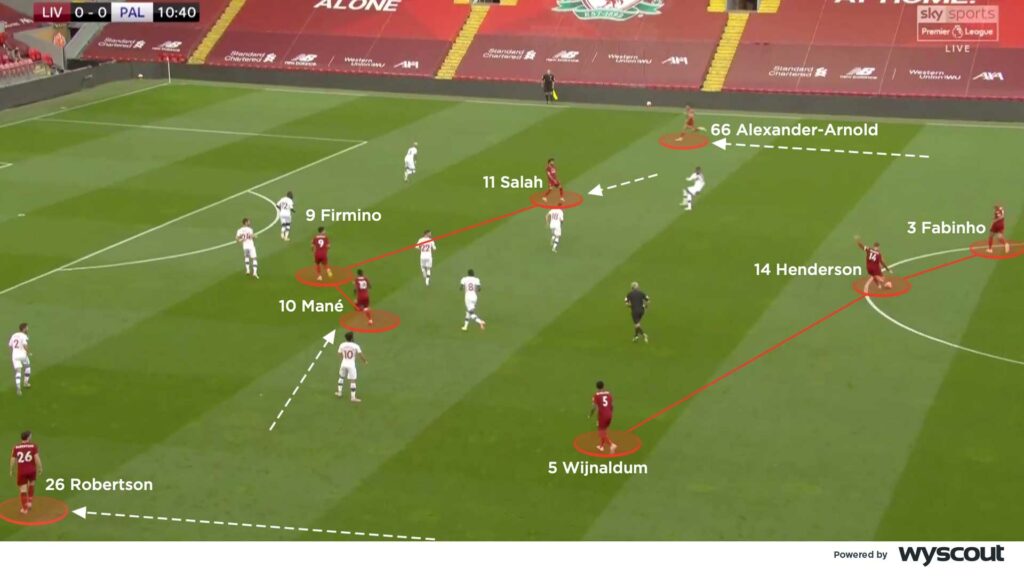
Football formations provide the basic structure from which every tactical decision develops. While the classic 4-4-2 remains recognizable around the world, modern managers often modify formations depending on the opponent and available players. A 4-3-3 encourages wide attacking play, while a 3-5-2 strengthens midfield control and wing-back involvement. During real matches, formations constantly evolve as players move into different spaces while maintaining overall balance. For example, full-backs may advance into attacking positions, temporarily creating an entirely different shape without officially changing the formation. Understanding these transitions helps explain why formations are flexible systems rather than rigid diagrams displayed before kickoff.
Common characteristics of popular formations
- The 4-4-2 offers defensive balance and simplicity.
- The 4-3-3 supports aggressive wing attacks.
- The 3-5-2 strengthens central midfield.
- The 5-3-2 provides additional defensive security.
- Hybrid formations appear naturally during open play.
Real Match Scenarios That Demonstrate The Value Of Tactical Flexibility Under Pressure
Imagine a team leading by one goal with fifteen minutes remaining. Instead of continuing to attack with high numbers, the manager introduces an additional defender and instructs midfielders to remain compact. This tactical adjustment reduces available space for the opposition while protecting dangerous central areas. In another scenario, a team trailing by two goals may push defenders higher, allowing extra attackers to create numerical superiority near the opponent’s penalty area. These examples illustrate that tactics are dynamic responses rather than fixed plans. Successful managers constantly evaluate the flow of the match before making calculated decisions that influence both defensive stability and attacking opportunities.
Tactical adjustments seen during competitive matches
- Adding defenders to protect a narrow lead.
- Introducing pace for dangerous counterattacks.
- Increasing midfield pressure after losing possession.
- Switching to wider attacks against compact defenses.
- Adjusting defensive lines according to the score.
Defensive Organization And Pressing Systems Explained Through Competitive Football Examples
Strong defending involves much more than blocking shots or making tackles. Teams organize defensive lines to limit passing lanes and force opponents into less dangerous areas. High pressing requires forwards and midfielders to close down opponents immediately after possession is lost, often recovering the ball close to goal. Conversely, a low defensive block allows opponents more possession while protecting critical spaces near the penalty area. During many professional matches, managers alternate between pressing aggressively and defending patiently depending on the opponent’s strengths, player fitness, and the current scoreline. These tactical shifts often determine whether a team successfully protects a result or regains momentum.
Important defensive tactical principles
- Maintain compact distances between players.
- Force attackers toward less dangerous areas.
- Press together instead of individually.
- Protect central spaces before wide positions.
- Communicate continuously throughout defensive phases.
Attacking Strategies That Create Goal Scoring Opportunities In Real Football Situations
Attacking tactics combine movement, passing, positioning, and timing to break organized defenses. Some teams patiently circulate possession until small gaps appear, while others rely on direct forward passes and rapid transitions. During a counterattack, players sprint into open spaces before defenders recover their shape. Positional rotations between midfielders, forwards, and full-backs create uncertainty for defenders, making it difficult to maintain effective marking. Set pieces also represent an important attacking weapon, with rehearsed routines frequently deciding closely contested matches. Every successful attack reflects careful planning alongside individual creativity, demonstrating that goals often result from coordinated tactical execution rather than isolated moments of brilliance.
Attacking methods frequently used by successful teams
- Quick counterattacks after winning possession.
- Patient passing to stretch defensive lines.
- Overlapping full-back runs into wide areas.
- Intelligent off-the-ball movement.
- Creative set-piece routines near goal.
Midfield Control And Transition Play Explained Through Real Football Match Examples
The midfield often decides which team controls the rhythm of a match. Players operating in this area connect defense with attack while managing possession under constant pressure. In many real match situations, winning second balls and making accurate forward passes immediately after regaining possession create valuable attacking opportunities. Tactical awareness becomes especially important during transitions because both teams rapidly change responsibilities within seconds. Many supporters discussing tactical performances on platforms like 8x bet appreciate how dominant midfield displays frequently influence the final result even when they receive less attention than goal scorers. Successful midfield units combine technical quality, intelligent positioning, relentless work rate, and disciplined decision-making throughout the entire match.
Essential responsibilities of midfield players
- Control possession under pressure.
- Support both defense and attack.
- Intercept opposition passing lanes.
- Initiate quick attacking transitions.
- Maintain tactical balance across the field.
How Managers Read Matches And Make Tactical Decisions That Change Outcomes
Elite managers constantly observe player positioning, passing patterns, fatigue levels, and opponent adjustments throughout every match. Tactical substitutions are rarely random because each replacement serves a specific strategic objective. A fresh winger may stretch tired defenders, while an additional midfielder helps maintain possession during difficult periods. Formation changes also respond to evolving match conditions, including injuries, red cards, or unexpected tactical approaches from opponents. Managers communicate instructions from the touchline, but experienced players also recognize situations requiring immediate adaptation. The strongest teams combine detailed preparation with intelligent decision-making, allowing them to respond effectively when matches develop differently from the original plan.
Coaching decisions that often influence results
- Timely tactical substitutions.
- Formation adjustments during difficult periods.
- Changes in pressing intensity.
- Role modifications for key players.
- Effective communication from the sidelines.
Comprehensive Conclusion Highlighting How Understanding Football Tactics And Formations Through Real Match Scenarios Makes Every Game More Enjoyable And Meaningful
Football tactics transform every match into a fascinating contest of preparation, intelligence, teamwork, and adaptability. Formations provide the starting framework, but successful teams constantly adjust their positioning according to changing situations on the pitch. Real match scenarios demonstrate that pressing systems, defensive organization, attacking movements, midfield control, and managerial decisions all work together to influence results. Learning these tactical concepts allows supporters to appreciate the game beyond goals and statistics by recognizing the strategic battles unfolding throughout ninety minutes. As football continues to evolve, understanding tactics and formations helps every fan enjoy matches with greater insight while recognizing the countless decisions that shape success at every level of the sport.
Main lessons to remember about football tactics
- Formations provide structure but remain flexible.
- Tactical adjustments often decide close matches.
- Midfield control influences overall game tempo.
- Defensive organization requires collective teamwork.
- Smart coaching decisions can completely change outcomes.
- Understanding tactics makes watching football more rewarding.