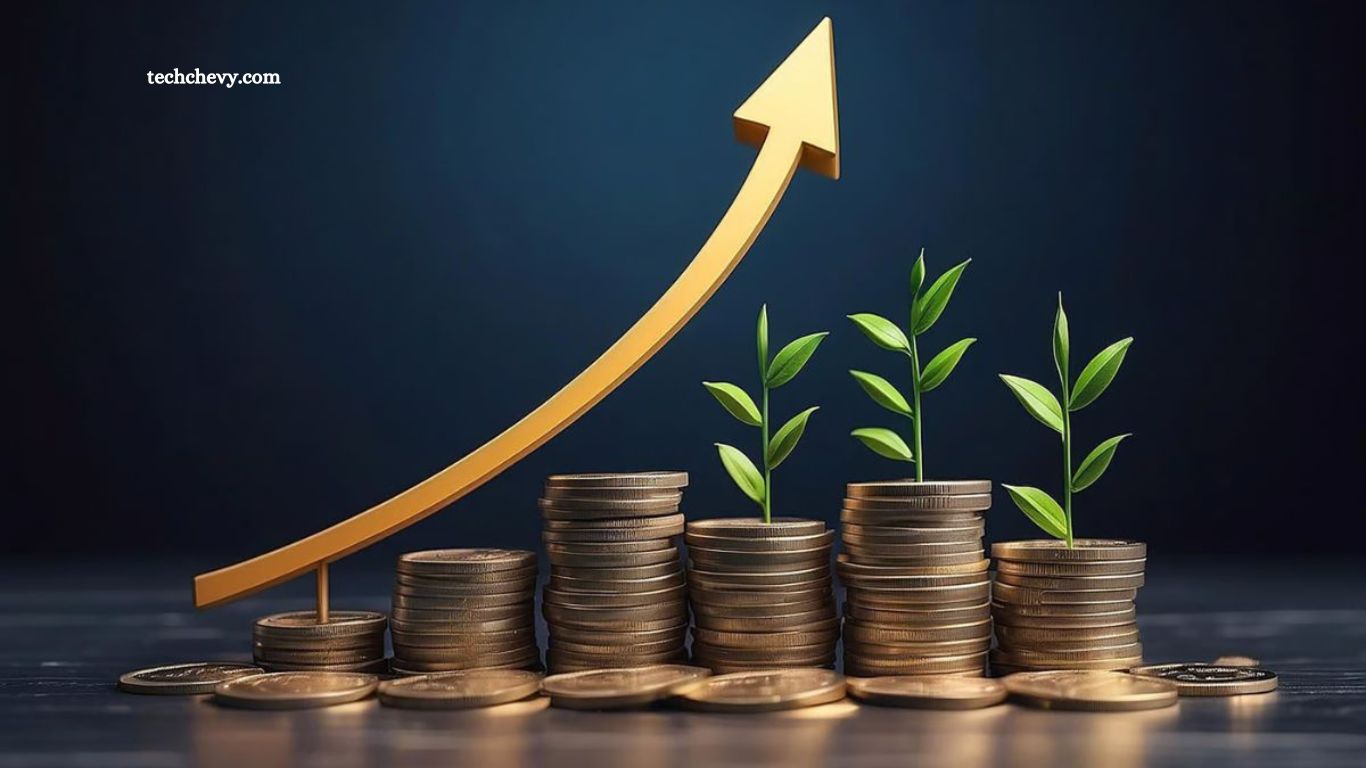
Ethical investment funds are attracting savers who want their money to support cleaner energy, fair employment and better corporate behaviour, without giving up on returns. The funds screen out companies involved in activities such as fossil fuels, tobacco or weapons, and favour businesses with strong records on environmental protection, workers’ rights and honest governance. Demand has grown steadily, particularly among younger savers, and the range of products has widened from a handful of specialist funds to mainstream options offered by most large providers. Supporters argue that ethical investing is no longer a niche choice, since companies with good governance and sustainable practices are often better managed and less exposed to regulatory fines or reputational damage. Critics caution that definitions of ethical vary widely, and that some funds hold companies whose credentials would surprise their investors. The debate has pushed providers to publish clearer information about what they hold and why.
What the Evidence Shows
Choosing an ethical fund requires more homework than picking an ordinary tracker, and advisers say the first step is to decide what matters most to the individual saver. Some funds exclude whole industries, others invest only in companies that actively do good, and a third group engages with companies to push them to improve, holding shares in imperfect businesses in order to influence them. Fees tend to be higher than for plain index funds, because the screening and engagement work costs money, though competition is bringing prices down. Performance has been mixed: ethical funds did well when technology and renewable stocks surged, and less well when oil prices rose, a reminder that values-based choices can diverge from the wider market. For savers, the practical advice is to look past the marketing, read the fund’s holdings, and choose a fund whose approach matches their own values rather than assuming every green label means the same thing. Reporting and analysis from sources such as Financial Times track the same developments, and specialists following ethical and green investing say the direction is now consistent across independent lines of evidence.
The Wider Context
The wider context is a financial system repricing risk after a long era of cheap money. Decisions shaped by ethical and green investing are being made under closer supervisory attention, with stress tests and disclosure rules that assume conditions can worsen quickly. Institutions that planned for the benign case are adjusting in public, which is uncomfortable and healthy in equal measure.
What Happens Next
What happens next with ethical and green investing will be visible first in the data that professionals watch weekly: flows, spreads and the terms on new deals. Participants who spoke for this article expect a period of adjustment rather than drama, with the biggest effects landing on those who assumed the old conditions were permanent. Planning, as ever, is the cheapest hedge. You can follow related developments in our coverage of finance.
None of this will be settled by a single announcement, study or product launch. The pattern to watch is accumulation: independent confirmations, honest reporting of failures and steady improvement in the underlying numbers. Readers who follow those signals, rather than the loudest claim of the week, will understand this subject better than most of the commentary surrounding it suggests is possible.