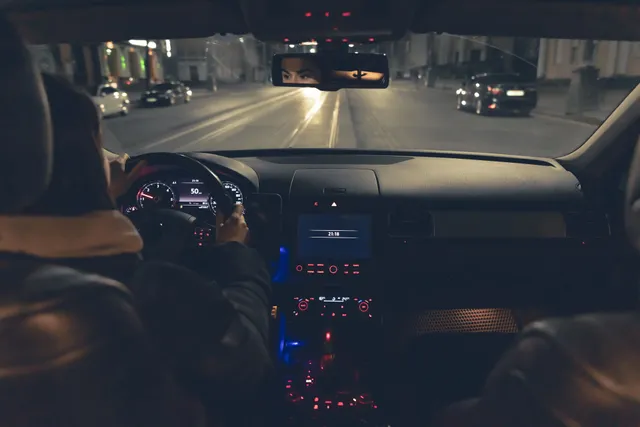
Modern vehicles are becoming smarter every year, and lighting technology is evolving just as quickly. Today’s automotive lighting systems are no longer simple bulbs that illuminate the road—they’re intelligent systems powered by embedded electronics, advanced sensors, precision optics, and energy-efficient LED technology. These innovations improve visibility, enhance road safety, and support advanced driver assistance systems (ADAS).
Whether you’re driving through city streets, navigating dark highways, or facing harsh weather conditions, embedded technology has transformed vehicle lighting into a critical safety feature.
What Is Embedded Technology in Vehicle Lighting?
Embedded technology refers to the combination of microcontrollers, electronic circuits, sensors, and software integrated into reliable LED lighting for cars and trucks. These components continuously monitor vehicle conditions and environmental factors, allowing lights to respond automatically without driver intervention.
Modern lighting systems can:
- Automatically switch between high and low beams.
- Adjust the beam direction when turning.
- Regulate brightness based on ambient lighting.
- Synchronize with cameras and ADAS sensors.
- Reduce glare for oncoming traffic.
- Improve energy efficiency while maintaining excellent illumination.
This intelligent control allows drivers to focus more on the road while the lighting system optimizes visibility in real time.
The Rise of LED Technology
LEDs have become the preferred lighting source across the automotive industry because they outperform traditional halogen bulbs in nearly every category.
Key advantages include:
- Higher brightness with lower power consumption.
- Longer operational lifespan.
- Faster illumination response.
- Better resistance to vibration.
- Lower heat generation through efficient thermal management.
- Compact designs that enable modern vehicle styling.
Unlike conventional bulbs, LEDs require electronic drivers that precisely regulate voltage and current. These embedded controllers ensure consistent light output while protecting the LEDs from electrical fluctuations.
Intelligent Beam Pattern Control
One of the biggest advancements in automotive lighting is intelligent beam control. Instead of simply producing more light, embedded processors carefully shape the beam pattern to maximize visibility while minimizing glare for other drivers.
Modern LED systems can:
- Focus light farther down the road.
- Illuminate road signs more effectively.
- Reduce dark spots.
- Maintain sharp cutoff lines.]
- Prevent excessive light scatter.
This precision is especially important because excessive brightness without proper beam control can actually reduce overall road safety.
Thermal Management: The Hidden Technology
High-performance LEDs generate heat that must be managed efficiently.
Embedded temperature monitoring systems continuously monitor operating conditions and adjust power output when necessary. Premium LED bulbs often incorporate:
- Aluminum heat sinks
- High-speed cooling fans
- Intelligent temperature regulation
- Advanced thermal materials
These systems maintain stable performance while extending the lifespan of the lighting components.
Integration with Vehicle Electronics
Modern lighting systems communicate directly with a vehicle’s electronic control units (ECUs).
Embedded controllers exchange information with:
- Steering angle sensors
- Speed sensors
- Rain sensors
- Ambient light sensors
- Camera systems
- ADAS modules
This communication allows headlights to respond dynamically to changing driving conditions, improving safety without distracting the driver.
Plug-and-Play Engineering Matters
One challenge when upgrading older vehicles is compatibility.
Many aftermarket LED bulbs fail because they:
- Trigger dashboard warning lights.
- Produce flickering.
- Create poor beam alignment.
- Require complex wiring modifications.
Well-engineered LED replacements are designed with embedded driver electronics that closely replicate the electrical behavior of factory-installed halogen bulbs while delivering superior lighting performance.
How SEALIGHT Brings Embedded Technology to Everyday Drivers
For drivers looking to upgrade their factory lighting, SEALIGHT has focused on combining intelligent engineering with user-friendly installation. Its LED lighting solutions are designed using a 1:1 halogen replacement architecture, helping maintain proper beam alignment while supporting true plug-and-play installation without cutting factory wiring. The company also emphasizes optical testing, thermal management, and vehicle-specific fitment research to deliver dependable performance across a wide range of cars, trucks, and SUVs.
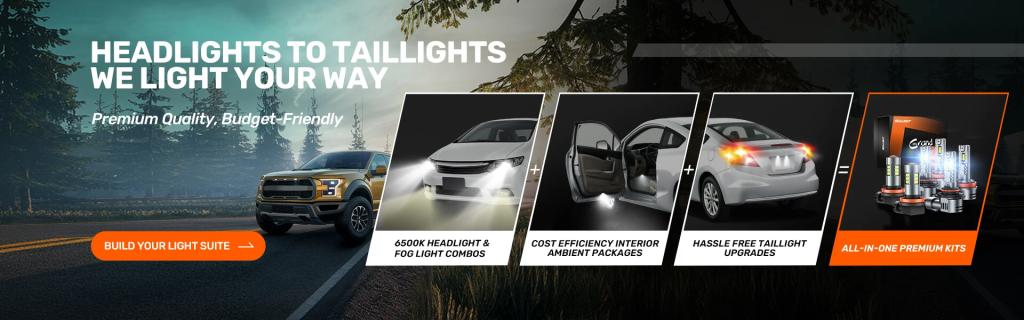
Drivers searching for bright daytime lights can explore SEALIGHT’s LED Daytime Running Light (DRL) solutions, which are engineered to provide consistent brightness, focused beam patterns, energy-efficient operation, and long-lasting durability for improved visibility throughout the day.
In addition to DRLs, SEALIGHT offers reliable LED lighting for cars and trucks, including LED headlight bulbs, fog lights, brake lights, reverse lights, turn signals, and interior lighting. The company’s product lineup is designed to deliver balanced beam patterns, efficient heat dissipation, and compatibility with numerous vehicle models, making lighting upgrades simpler for everyday drivers.
Why Embedded Lighting Will Continue to Evolve
The future of automotive lighting is becoming even smarter.
Emerging technologies include:
- Matrix LED headlights
- Adaptive Digital Light systems
- Laser-assisted illumination
- Vehicle-to-vehicle communication through lighting
- AI-assisted beam optimization
- Projection lighting for pedestrian safety
As autonomous driving technology advances, lighting systems will play an increasingly important role in helping vehicles interpret and interact with their surroundings.
Final Thoughts
Vehicle lighting has evolved far beyond simple illumination. Embedded processors, intelligent sensors, precision optics, and advanced LED engineering now work together to improve visibility, reduce driver fatigue, and enhance road safety.
When upgrading automotive lighting, choosing products designed with proper optical engineering, thermal management, and vehicle compatibility is just as important as brightness itself. Manufacturers like SEALIGHT demonstrate how embedded technology can deliver safer, more reliable, and easier-to-install lighting solutions that meet the needs of today’s drivers while preparing for the intelligent vehicles of tomorrow.