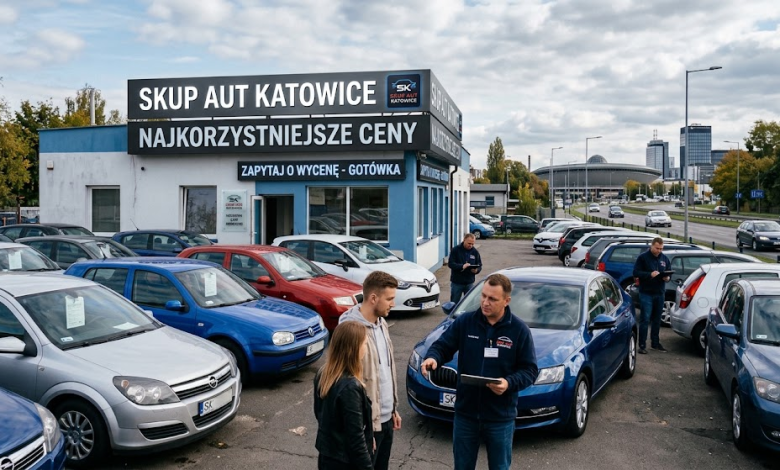
Selling a car can be a challenging experience, especially when you want a fair price without spending weeks searching for a buyer. Whether you own an older vehicle, want to upgrade to a newer model, or simply need to sell a car you no longer use, understanding how vehicle valuations work can help you make a better decision. In Katowice, car-buying services offer a convenient alternative to private sales, allowing owners to explore purchase offers and complete transactions with less effort.
However, not every car receives the same valuation. Several factors influence how much a buyer is willing to pay, from the vehicle's mechanical condition to its market demand. Knowing what matters most can help you prepare your car, negotiate confidently, and avoid accepting an unnecessarily low offer.
1. Vehicle Make and Model
The make and model are among the first factors considered when estimating a car's value. Some manufacturers have strong reputations for reliability, affordable maintenance, and long-term durability. Vehicles from these brands may attract more buyers in the used-car market.
The specific model also matters. Popular vehicles with practical features, economical engines, and readily available replacement parts can be easier to resell. On the other hand, uncommon models or cars with expensive maintenance requirements may appeal to a smaller group of potential buyers.
Even within the same brand, different models can have significantly different values. Before requesting an offer, research similar vehicles with comparable production years, engine types, and equipment levels. This gives you a useful starting point for understanding your car's likely market position.
2. Age and Mileage
A vehicle's age often influences its resale value because older cars generally experience more wear and may require additional maintenance. Newer vehicles can sometimes command higher offers, particularly when they have a strong service history and modern safety features.
Mileage is another important consideration. A car that has travelled fewer kilometres may have less wear on major components, although mileage alone does not determine its condition. A well-maintained vehicle with higher mileage can sometimes be a more attractive purchase than a low-mileage car that has been neglected.
When requesting a valuation, provide accurate mileage information. If you have previous inspection reports or service records that help demonstrate the vehicle's history, make them available. Clear and consistent information helps a buyer assess the car more realistically.
3. Mechanical Condition and Repair History
The mechanical condition of a vehicle can substantially affect its value. Buyers may examine the engine, gearbox, suspension, brakes, steering system, and other important components before making a final offer.
A car that starts reliably, drives smoothly, and has no major mechanical problems may attract a stronger offer than a similar vehicle requiring extensive repairs. Warning lights, unusual noises, fluid leaks, and transmission problems can raise concerns because they may indicate additional costs after purchase.
Maintenance records can help demonstrate that the vehicle has received appropriate care. Keep invoices for significant repairs, regular servicing, and replacement parts if available.
However, repairing every minor issue before selling is not always financially sensible. Compare the estimated repair cost with the potential increase in the vehicle's selling price. If a repair costs more than the additional value it creates, selling the car in its current condition may be the more practical choice.
4. Exterior and Interior Appearance
First impressions can influence how buyers perceive a vehicle. Scratches, dents, faded paint, damaged lights, and visible rust may affect its appeal. Interior problems, including torn seats, damaged trim, unpleasant odours, or malfunctioning controls, can also influence the valuation.
You do not necessarily need expensive detailing or bodywork before requesting an offer. Simple improvements may be enough to present the vehicle more effectively.
Consider removing rubbish, cleaning the dashboard, vacuuming the seats, and washing the exterior. Take clear photographs if the buyer requests images before arranging an inspection.
Be realistic about cosmetic damage. Minor imperfections are common in used vehicles, particularly older ones. The goal is to present the car honestly and make it easier for the buyer to assess its condition, rather than spending money on repairs that may not improve the final offer.
5. Service Records and Vehicle Documentation
Documentation can help establish a vehicle's history and make a transaction more straightforward. Relevant records may include the registration certificate, available service invoices, inspection documents, and information about previous repairs.
A documented maintenance history can give a potential buyer greater confidence in the car's condition. It may also help explain why a vehicle has been maintained well despite its age or mileage.
Owners should also clarify any issues involving ownership, missing paperwork, or modifications. If the vehicle has multiple owners or is being sold on someone else's behalf, additional authorization may be necessary.
Before completing a sale, confirm which documents are required for your circumstances and obtain written confirmation of the agreed terms. Keeping copies of the contract and payment confirmation can help protect both parties if questions arise later.
6. Current Market Demand
A vehicle's value depends not only on its condition but also on demand. Certain models, engine types, and body styles may attract more interest than others at a particular time.
Fuel economy, maintenance costs, vehicle size, and practical features can all influence buyer preferences. For example, some buyers prioritise compact cars for city driving, while others look for larger vehicles suitable for family travel.
Seasonal conditions and changes in the used-car market can also affect demand. The impact varies by model and local market, so there is no universal rule that guarantees a higher price during a particular month.
Research comparable listings before accepting an offer. Look for vehicles with similar specifications and condition rather than comparing your car with newer models or premium versions that have different equipment.
Remember that advertised prices are not always the same as completed sale prices. Use listings as a reference point rather than a guarantee of what your car will sell for.
7. How to Get a Better Offer from a Car-Buying Service
If you want to sell your vehicle efficiently, preparation and comparison are often more useful than relying on a single buyer.
Start by gathering the basic information about your car, including its model, year, mileage, engine type, equipment, and mechanical condition. Be transparent about accidents, faults, and missing components.
Next, contact more than one buyer if practical. Request estimates using the same vehicle details so you can compare the offers fairly. Ask whether each amount is preliminary or final and whether it may change after inspection.
When comparing skup aut Katowice services, consider more than the quoted price. Ask about collection arrangements, additional fees, payment timing, and the paperwork provided. A slightly higher initial offer may not be the best choice if unexpected charges reduce the final amount.
You can also ask the buyer to explain the main factors behind the valuation. If you have evidence of recent repairs or features that were not included in the initial assessment, provide that information and ask whether it affects the offer.
Negotiation should remain realistic. Use comparable vehicles and documented maintenance expenses to support your expectations instead of relying on an arbitrary asking price.
8. Mistakes to Avoid When Selling Your Car
Some common mistakes can reduce the amount you receive or make the transaction more difficult.
First, avoid accepting the first offer without checking whether it reflects your vehicle's condition and current market demand. Comparing a few options can help you identify an unusually low estimate.
Second, do not conceal significant mechanical problems or accident damage. Such issues may be discovered during inspection and could lead to a revised offer or a dispute.
Third, avoid spending heavily on cosmetic repairs without considering their likely return. Not every improvement increases the selling price enough to justify its cost.
Finally, do not hand over the vehicle without understanding the payment arrangements and documentation. Confirm the agreed amount, the payment method, and the responsibilities of both parties before completing the transaction.
Conclusion
Getting a fair price for your car begins with understanding what influences its market value. The vehicle's make, model, age, mileage, mechanical condition, appearance, service history, and current demand all contribute to the amount a buyer may offer.
By preparing accurate information, gathering relevant documents, researching comparable vehicles, and requesting multiple estimates, you can approach the selling process with greater confidence. Simple cleaning and organised paperwork may also make the vehicle easier to evaluate without requiring unnecessary spending.
When comparing skup aut Katowice options, focus on transparent valuations, clear payment terms, reasonable collection arrangements, and proper documentation. The best offer is not always the highest number advertised at the beginning; it is the offer that provides a fair price and clear, dependable terms.
With a little preparation and careful comparison, selling your car in Katowice can become a more efficient process and help you move forward without unnecessary delays or expenses.


