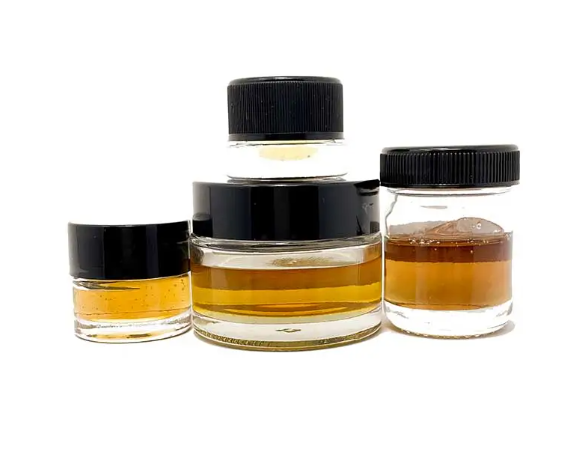
Cannabis products are available in several formats, and concentrates represent one of the most distinct categories. While cannabis flower consists of harvested and dried plant material, concentrates are processed products designed to contain a more concentrated mixture of cannabinoids and, depending on the extraction method, aromatic compounds. This processing creates products with different textures, appearances, aromas and cannabinoid concentrations.
For someone familiar with cannabis flower, concentrate terminology can initially seem complicated. Names such as shatter, hash, live resin, rosin and distillate describe products made using different processing approaches. Understanding these distinctions makes it easier to interpret product descriptions and compare concentrate formats based on documented characteristics rather than assuming that one type is universally preferable.
What Happens When Cannabis Becomes a Concentrate
The basic concept behind a cannabis concentrate is the separation and concentration of selected compounds from cannabis material. Cannabis contains cannabinoids, terpenes and other plant compounds, and extraction or refinement processes can produce a product in which these compounds are present at substantially higher concentrations than they are in dried flower.
The process can involve different technologies depending on the desired extract. Some concentrates are produced using solvents, while others use mechanical or heat-and-pressure-based approaches. The specific method influences the resulting product’s consistency, colour, aroma and cannabinoid profile.
Concentration also changes the physical characteristics of the material. Instead of a dried flower consisting of buds and plant structures, an extract may appear as a sticky resin, brittle sheet, dense block, semi-solid substance or clear oil.
The difference is therefore not simply about potency. Concentrates represent a different product format, with their own terminology, storage requirements and characteristics. Understanding the production method can help explain why two concentrates made from cannabis can look and behave very differently.
Shatter and Its Distinctive Characteristics
Shatter is one of the most recognisable cannabis concentrate formats. Its name comes from its characteristic brittle, glass-like consistency. Depending on the product and its storage conditions, shatter can range from translucent amber or golden shades to darker colours.
Its texture is one of its defining characteristics. At suitable temperatures, shatter can maintain a firm, sheet-like structure, while changes in temperature can make it softer or more difficult to handle. This is one reason concentrate descriptions often provide information about consistency and storage.
Shatter differs from flower because the material has undergone processing that removes much of the original plant structure while concentrating selected cannabis compounds. As a result, it does not resemble a conventional cannabis bud even though the source material may have been cannabis flower.
For shoppers exploring products through an online cannabis retailer, understanding these distinctions can make category navigation easier. West Coast Bud provides access to cannabis-related product categories that can include flower and concentrates, making it useful for readers to understand the fundamental differences between these formats before comparing individual product descriptions.
The appearance of shatter can also vary. Colour, clarity and consistency may be influenced by the source material, processing, storage and other production factors. Visual appearance alone therefore does not provide a complete assessment of the product.
Hash and Traditional Concentrates
Hash is one of the oldest and most recognisable cannabis concentrate formats. Unlike dried flower, hash is primarily associated with collected and compressed resin-rich material. Traditional production methods involve separating resin-containing trichomes from plant material and then compressing the collected material into a more concentrated form.
The resulting product can have a wide range of textures. Some varieties may be relatively firm, while others can be softer, pliable or crumbly. Colour can also range from lighter golden tones to darker brown shades.
Hash is distinct from many modern extracts because its production has historically relied on mechanical separation and compression rather than the highly refined processes associated with some contemporary concentrates. Modern hash products can nevertheless involve different techniques and levels of processing.
The differences between hash and flower are particularly apparent when considering physical structure. Flower retains much of the plant’s original form, while hash contains a greater concentration of resinous material. This creates a compact product with characteristics that are easier to distinguish from conventional dried cannabis.
Texture can also change according to storage conditions. Temperature, humidity and handling may influence how firm or pliable a hash product becomes. Consequently, product descriptions and storage guidance are useful when comparing different varieties.
Live Resin, Rosin and Other Modern Extracts
Modern cannabis extraction has introduced a broad range of products with different production methods and characteristics. Live resin and rosin are two examples that demonstrate how processing choices can influence the final concentrate.
Live resin is generally associated with cannabis that is preserved in a fresh-frozen state before extraction. The purpose of this approach is to retain a profile of volatile compounds that can be lost during conventional drying and curing. The resulting concentrate is commonly associated with pronounced aromatic characteristics and a softer resinous texture.
Rosin is different because it is produced using a solventless process. Heat and pressure are used to separate resinous material from cannabis. Since no chemical solvent is used in the extraction process, rosin occupies a distinct category within the concentrate market.
Other extracts can vary substantially in texture. Some may be creamy or semi-solid, while others can have a more fluid consistency. Factors such as source material, processing method and post-extraction handling all contribute to these differences.
For shoppers, the important point is that names such as live resin and rosin describe particular categories rather than guaranteeing an identical experience across every product. Product-specific information remains important when evaluating aroma, cannabinoid content, consistency and other characteristics.
Distillate and Highly Refined Extracts
Distillate represents another stage of cannabis processing. Instead of primarily focusing on preserving a broad mixture of compounds, distillation involves refinement designed to separate and concentrate particular cannabinoids.
The resulting material can have a clear or translucent appearance and a highly concentrated cannabinoid profile. Because much of the original terpene content may be removed during refinement, terpenes can sometimes be added back into a finished formulation to create a particular aromatic profile.
This makes distillate different from extracts that are commonly described in terms of preserving a broader range of compounds from the source material. The final characteristics depend on the production and formulation process.
Distillate is also available in different formats. Syringes are one example, allowing a refined extract to be packaged in a form suitable for controlled dispensing. Other formulations can use distillate as an ingredient in products such as vape cartridges or other cannabis products, depending on the applicable product category and regulations.
The term “highly refined” describes the processing approach rather than an overall quality ranking. A shopper comparing distillate with shatter, hash or live resin should instead examine the characteristics that matter for the specific product, including cannabinoid information, terpene details, consistency and format.
How to Compare Concentrate Formats
There are several useful factors that can help shoppers distinguish between concentrate categories. Since each product type is created through a different process, comparing the relevant specifications is more informative than focusing on a single characteristic.
- Processing method: The extraction or refinement method helps explain why concentrates differ in composition, texture and appearance. Solvent-based extraction, solventless processing and distillation represent different approaches to producing cannabis extracts.
- Texture and consistency: Shatter may have a brittle structure, hash can range from firm to pliable, and resin-based products can have softer or more viscous textures. Storage temperature can also influence how a concentrate behaves.
- Aroma profile: Terpenes contribute significantly to cannabis aroma. Live resin, rosin and other extracts can have different aromatic characteristics depending on their source material and processing.
- Cannabinoid information: THC, CBD and other available cannabinoid measurements provide useful product-specific information. These figures allow shoppers to compare concentrates using documented specifications rather than relying solely on product names.
- Product format: A concentrate may be sold in a particular form or container depending on its consistency and intended use. Understanding the format helps shoppers distinguish between products that may contain similar cannabinoids but have very different physical characteristics.
- Storage requirements: Concentrates can be sensitive to heat, light and air exposure. Checking the recommended storage information can help maintain the product’s intended consistency and condition.
Reading product descriptions carefully is therefore an important part of comparing concentrates. Terms such as shatter, hash, live resin, rosin and distillate provide an initial indication of what distinguishes one category from another, but product-specific specifications provide additional context.
Conclusion
The progression from cannabis flower to concentrates involves much more than simply increasing cannabinoid concentration. Extraction and refinement processes change the physical structure of cannabis material and can influence texture, aroma, appearance and cannabinoid composition.
Shatter is recognised for its brittle, glass-like consistency, while hash represents a traditional resin-based concentrate. Live resin focuses on processing fresh-frozen cannabis material, rosin uses solventless extraction, and distillate relies on a more refined distillation process. Each category therefore has characteristics that distinguish it from the others.
For shoppers comparing cannabis concentrates, understanding these differences provides a clearer foundation for evaluating products. Processing method, texture, aroma, cannabinoid information, format and storage requirements can all contribute to a more complete product comparison. Rather than treating one concentrate type as universally superior, informed comparison allows individual preferences and documented product characteristics to guide the selection.