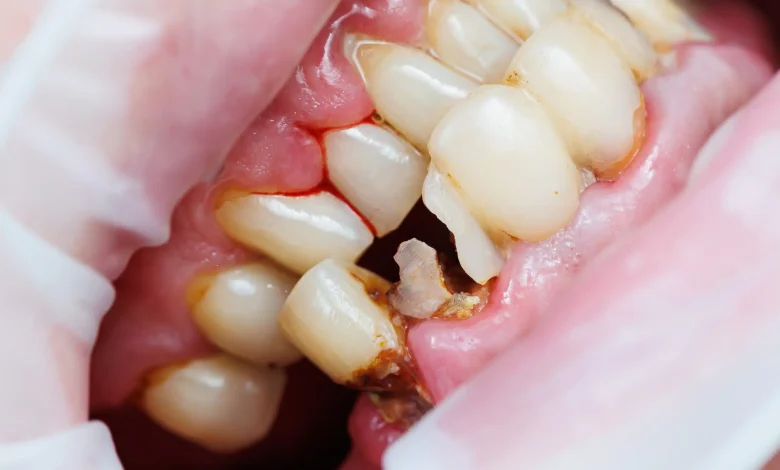
A broken tooth may not always feel urgent at first. A small chip can seem manageable, particularly if there is little pain and the tooth still looks mostly intact. However, dental damage can worsen quickly when it is left untreated. What begins as a minor fracture can expose sensitive layers of the tooth, create sharp edges, allow bacteria to enter, and lead to pain, infection, or further breakage, which is when an emergency dentist Sydney service can make the difference between a simple repair and a complex one.
The visible damage is not always the full picture. A tooth can develop internal cracks or nerve irritation even when the fracture appears small. Seeking dental advice promptly gives the tooth the best chance of being repaired before the problem becomes more complex. Australian health guidance recommends seeing a dentist after a cracked, chipped, or loose tooth, particularly following an accident, to help prevent long-term damage.
Why a Broken Tooth Should Never Be Ignored
Teeth are made up of several layers. The hard outer enamel protects the softer dentine underneath, while the pulp at the centre contains nerves and blood vessels. When a tooth breaks, the depth of the fracture determines how serious the issue may be.
A shallow chip affecting only enamel may not cause immediate discomfort. However, a deeper crack can expose dentine and make the tooth sensitive to hot, cold, sweet, or acidic foods. If the damage reaches the pulp, severe pain, inflammation, and infection may follow. A fractured tooth may also have sharp edges that irritate the tongue, cheek, or gums.
Even if pain is absent, a damaged tooth is structurally weaker. Continued chewing can place pressure on the fracture and cause a larger section of the tooth to break away. This can turn a repairable issue into one requiring more extensive treatment.
Common Causes of Tooth Breakage
Broken teeth can happen suddenly or develop gradually over time. The most common causes include:
- Falls, sporting injuries, vehicle accidents, and blows to the face.
- Biting into hard foods such as ice, hard lollies, nuts, or unpopped popcorn kernels.
- Teeth grinding (bruxism), which creates repeated pressure that weakens enamel and existing fillings.
- Decay, which weakens the internal structure so that even a moderate biting force may cause a fracture.
Healthdirect identifies falls, facial impacts, sporting accidents, and eating something hard among common causes of dental injuries. Older restorations can also contribute. Large fillings, worn crowns, and untreated cracks may leave less healthy tooth structure available to withstand pressure, so a break may appear sudden even though the tooth has been weakening for some time.
How It Can Escalate Quickly
A small fracture creates an opening where bacteria can enter. If bacteria reach the inner pulp, infection can develop. This may cause persistent throbbing pain, sensitivity, swelling around the gum, or a bad taste in the mouth. An untreated infection can form an abscess and may spread beyond the tooth.
The broken edge can also worsen through everyday chewing. A crack that begins on the biting surface may extend deeper into the tooth, particularly if hard or sticky foods are eaten on that side. In some cases, the tooth may split below the gum line, making restoration more difficult.
Pain can also become more severe without warning. A tooth that initially feels only mildly sensitive may become painful when the nerve becomes inflamed. This is why waiting for symptoms to settle is not always a safe approach.
Immediate Steps to Take
If a tooth breaks, a few simple steps can protect it before you reach the dentist:
- Gently rinse your mouth with water to remove debris.
- If you can find the broken fragment, store it in milk or sterile saline and bring it with you, as Healthdirect advises this may assist the assessment and repair.
- Avoid chewing on the affected side and choose soft foods until the tooth has been examined.
- If there is bleeding, apply gentle pressure with clean gauze or a clean cloth, and use a cold compress against the outside of the cheek to reduce swelling.
- If the edge is sharp, dental wax can provide temporary protection for the cheek or tongue.
Do not attempt to repair the tooth with household glue, or place aspirin directly against the gum or tooth, as these actions can damage surrounding tissues or complicate treatment.
Professional Treatment Options
The right treatment depends on the location and severity of the fracture. Small chips may be repaired with dental bonding, where a tooth-coloured material is shaped and polished to restore the missing area. This can improve appearance and smooth sharp edges.
Larger fractures may require a crown, which covers the remaining tooth structure and helps protect it from further breakage. Healthdirect notes that a cracked or broken tooth may require a crown, while injury to the pulp may require root canal treatment.
If the pulp has been exposed or infected, root canal treatment may be needed to remove damaged tissue and preserve the tooth. In severe cases where the tooth cannot be restored, extraction may be discussed along with replacement options. In our experience, early assessment often allows for more conservative treatment, so it is worth acting before the damage progresses.
When to See an Emergency Dentist in Sydney
A broken tooth becomes an urgent dental concern when there is severe or worsening pain, significant bleeding, facial swelling, visible nerve exposure, or difficulty eating, speaking, swallowing, or breathing. A fractured tooth with an exposed nerve is considered a dental emergency, and ongoing bleeding or swelling should also be assessed without delay.
If swelling affects the mouth, tongue, or face and makes breathing or swallowing difficult, call Triple Zero (000) or go to an emergency department immediately.
For sudden tooth damage that is painful, deep, or worsening, contacting an emergency dentist Sydney service promptly can help prevent complications, protect the remaining tooth structure, and restore oral health. If you are dealing with a broken tooth right now, get in touch with us so it can be assessed quickly.
FAQs
Can a small chipped tooth become serious?
Yes. A small chip can worsen with chewing or expose deeper layers of the tooth over time. Even painless damage should be assessed to determine whether the tooth needs protection.
What should I do if I cannot find the broken piece of tooth?
Rinse your mouth, avoid chewing on the damaged side, and arrange a dental appointment. A dentist can assess the fracture and discuss suitable restoration options even if the fragment is unavailable.
Can a broken tooth heal on its own?
No. Tooth enamel does not regenerate. While pain may temporarily reduce, the crack or missing section will not repair itself and may worsen without treatment.
How quickly should I see a dentist after breaking a tooth?
It is best to contact a dentist as soon as possible, especially if there is pain, sensitivity, bleeding, or a large fracture. Prompt treatment can reduce the risk of infection and further damage.
Is a broken tooth always painful?
No. Some fractures do not hurt immediately, particularly if only enamel is affected. However, pain can develop later if the crack deepens or bacteria enter the tooth.
Can a crown protect a broken tooth?
In many cases, yes. A crown can cover and support a damaged tooth, reducing the risk of further fracture. Your dentist will determine whether a crown, bonding, root canal treatment, or another option is appropriate.