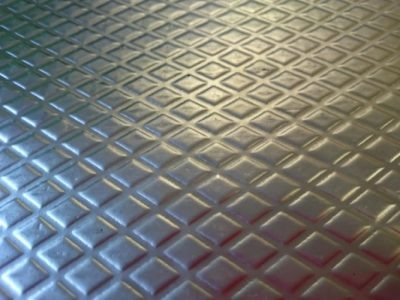
In today’s fast-paced industrial world, controlling noise has become just as important as improving efficiency and safety. From vehicles and machinery to construction and domestic appliances, unwanted sound can affect performance, comfort, and even health. This is where acoustic barriers play a crucial role. Designed with advanced materials and engineering, these solutions help reduce noise transmission, dampen vibration, and improve overall acoustic performance across multiple industries.
This article explores how acoustic barrier technology works, its types, applications, and why it has become an essential component in modern manufacturing and engineering.
Understanding Acoustic Barrier Products
Acoustic Barrier Products are specially engineered flexible materials designed to reduce airborne noise and block impact sound transmission. In simple terms, they act as a protective shield that prevents sound from passing through surfaces such as metal, wood, or plastic.
One of their key strengths is transmission loss performance, meaning they significantly reduce the amount of sound energy that moves from one side of a structure to another. At the same time, they also work as anti-vibration pads, minimizing structure-borne noise caused by mechanical impact or movement.
These barriers are not only about sound reduction—they also provide excellent vibration-dampening and thermal reflection properties, making them highly valuable in industrial and mechanical environments.
Key Features of Acoustic Barriers
Modern acoustic barrier systems are designed with flexibility and performance in mind. Some of their most important features include:
1. High Flexibility and Malleability
Acoustic barriers can be applied to flat, curved, or even uneven surfaces. This makes them ideal for complex machinery and vehicle interiors where rigid materials cannot fit properly.
2. Custom Manufacturing Options
They are available in sheet form, die-cut shapes, or water jet-cut components depending on project requirements. This allows manufacturers to create bespoke acoustic solutions tailored to specific noise problems.
3. Vibration Control
These materials act as vibration dampers, reducing mechanical resonance and structural noise.
4. Thermal Protection
Some variants also reflect thermal radiation, adding another layer of protection in heat-intensive environments like engines or industrial machinery.
5. Composite Compatibility
Acoustic barriers can be combined with acoustic foams to form advanced laminates that enhance both sound absorption and transmission loss performance.
Types of Acoustic Barrier Materials
Different industrial applications require different barrier technologies. Below are the main types of acoustic barriers used today:
Polymeric Acoustic Barriers
Polymeric barriers such as C03 (1.4mm) and C09 (2.5mm) are low-density vinyl membranes filled with naturally occurring materials. These products are:
- Free from lead and harmful oils
- Designed for high-frequency noise reduction
- Ideal for improving sound insulation of metal, wood, and plastic panels
They are commonly applied in lightweight structures, where they help reduce resonance and solve issues like coincidence dip resonance in hollow panels.
Bitumen PE Foil Covered Acoustic Barriers
Products like C022 (3mm) and C023 (5mm) are bitumen-based barriers covered with PE foil and self-adhesive backing.
Key advantages include:
- Strong flat surface sound insulation
- Clean installation due to PE protective layer
- Enhanced bonding to different substrates
- Effective vibration reduction
These Barrier products are widely used where durability and clean application are essential.
Bitumen Aluminium Acoustic Barriers
The C024 acoustic barrier is a high-performance solution made from bitumen, polymers, and mineral fillers, covered with an aluminium foil layer.
This structure provides:
- Excellent heat resistance
- Strong noise dampening in engine compartments
- Durability in harsh environments
- Use in automotive, marine, and construction vehicles
It is especially effective in high-temperature environments where both heat and noise control are required.
Applications of Acoustic Barrier Products
The versatility of acoustic barriers allows them to be used across a wide range of industries. Some of the most common applications include:
Automotive Industry
Used in cars, trucks, and construction vehicles to reduce engine noise, road vibration, and cabin sound levels.
White Goods and Appliances
Applied in washing machines, refrigerators, and home appliances for quieter operation.
Lift Cabins
Improves passenger comfort by reducing mechanical noise and vibration.
Industrial Machinery
Used in manufacturing equipment, reducing workplace noise pollution.
Construction Vehicles
Essential for earth-moving and agricultural machinery where engines produce high noise levels.
Pipe Insulation
Helps control sound transmission through pipelines and reduces vibration.
Marine Applications
Used in boats and marine engines to reduce noise in confined spaces.
Why Acoustic Barriers Matter in Modern Engineering
Noise pollution is no longer just a comfort issue—it is a performance and safety concern. Excessive noise can reduce worker productivity, affect machinery lifespan, and create unsafe working environments.
This is why Barrier products are becoming essential in modern design. They help:
- Improve acoustic comfort
- Extend machinery life by reducing vibration stress
- Enhance product quality in domestic and industrial goods
- Ensure compliance with noise regulations
By combining sound insulation with vibration control, these materials offer a complete solution for acoustic challenges.
Combining Acoustic Barriers with Advanced Engineering
One of the most powerful innovations in acoustic technology is the combination of barriers with acoustic foams. This creates a multi-layer laminate system that provides both sound absorption and transmission loss control.
Such systems are particularly effective in:
- Engine enclosures
- HVAC systems
- Industrial panels
- Transportation interiors
This hybrid approach ensures that both airborne and structure-borne noise are addressed simultaneously.
Benefits of Acoustic Barrier Products
Using acoustic barriers brings multiple advantages across industries:
1. Noise Reduction
They significantly reduce airborne and impact sound transmission.
2. Vibration Dampening
Helps stabilize structures and reduce mechanical stress.
3. Thermal Resistance
Some materials reflect heat, improving safety in high-temperature environments.
4. Flexible Application
Easily adaptable to different shapes and surfaces.
5. Custom Manufacturing
Can be tailored to specific industrial needs.
6. Improved Product Performance
Enhances the overall efficiency and quality of machines and equipment.
Conclusion
Acoustic barrier products are a vital part of modern noise control engineering. Their ability to reduce sound transmission, dampen vibration, and adapt to complex surfaces makes them indispensable across automotive, construction, marine, and industrial sectors.
Whether used in vehicles, machinery, or domestic appliances, these advanced Barrier products provide a reliable and efficient solution for managing noise and improving environmental comfort. As industries continue to evolve, the demand for smarter and more efficient acoustic materials will only continue to grow, making acoustic barriers a cornerstone of future engineering solutions.