Introduction: Why Unstructured Data Is Now Mission-Critical
Enterprise data is exploding and most of it is unstructured. Emails, documents, videos, logs and sensor data now account for nearly 80–90% of all enterprise data, according to IDC. Yet, much of this data remains untapped. That’s where ai unstructured data strategies come in. By combining artificial intelligence with modern data management, organizations can extract insights, reduce storage costs and accelerate innovation. For IT leaders and data managers, the opportunity is clear: transform dormant data into a competitive asset while optimizing infrastructure spend.
What Is AI Unstructured Data?
AI unstructured data refers to the use of artificial intelligence technologies, like machine learning and natural language processing, to analyze, manage and derive value from unstructured datasets. These datasets include text, images, audio and video, all of which lack a predefined structure. Unlike traditional databases, unstructured data requires advanced processing to unlock its full value. AI enables organizations to interpret this complexity, making it possible to extract actionable insights at scale.
Why Enterprises Are Prioritizing Unstructured Data
Data growth is outpacing budgets. According to Gartner, enterprise data volumes are increasing at more than 25% annually, while IT budgets remain relatively flat. This mismatch forces organizations to rethink how they manage storage and extract value. At the same time, a large portion of enterprise data remains unused. IDC estimates that up to 55% of data is “dark,” meaning it is collected but never analyzed. AI changes that equation by enabling deeper analysis and uncovering hidden opportunities. Additionally, AI systems themselves require large and diverse datasets, making unstructured data essential for training and improving models.
Business Benefits of AI-Driven Data Strategies
Organizations that implement ai unstructured data strategies gain measurable business advantages. First, cost optimization becomes achievable through better data visibility and automated tiering. Companies can identify cold data and move it to lower-cost storage, reducing reliance on expensive primary storage systems. Second, decision-making improves as AI extracts patterns from previously inaccessible data sources. Third, compliance is strengthened through automated classification and governance, helping organizations meet regulations such as CCPA and HIPAA. Finally, innovation accelerates as teams gain access to richer datasets that fuel analytics and AI initiatives.
Core Technologies Behind AI Unstructured Data
Several technologies power modern unstructured data strategies. Machine learning identifies patterns and anomalies across large datasets, enabling predictive insights. Natural language processing (NLP) interprets text data such as emails, contracts and reports, making it easier to extract meaning. Computer vision analyzes images and videos, opening new possibilities for industries like healthcare and manufacturing. Metadata enrichment adds context to raw data, improving searchability and usability. Together, these technologies transform unstructured data into a valuable resource.
Key Challenges in Managing Unstructured Data
Despite its potential, managing unstructured data presents significant challenges. Data sprawl is a major issue, with information distributed across on-premises systems, cloud platforms and edge environments. This fragmentation makes it difficult to maintain visibility and control. Storage costs are another concern, as organizations often store all data on high-performance systems regardless of usage. Additionally, many enterprises lack clear insight into what data they have, leading to inefficiencies. Vendor lock-in further complicates matters, as some solutions restrict data movement and limit flexibility.
How to Build an AI-Ready Data Strategy
Building an effective strategy starts with understanding your data landscape. Organizations should identify data sources, classify data types and analyze storage usage. Next, implementing intelligent data management tools allows teams to gain visibility into data access patterns and value. Automation plays a critical role, particularly in data tiering, where cold data is moved to cost-effective storage without disrupting access. Finally, enabling AI workflows ensures that data is accessible, enriched and ready for analysis. A structured approach helps organizations maximize ROI while minimizing risk.
The Role of Intelligent Tiering in Cost Savings
Intelligent tiering is a cornerstone of efficient data management. It allows organizations to automatically move infrequently accessed data to lower-cost storage tiers while keeping active data readily available. This process is transparent to users and applications, ensuring seamless access. By optimizing storage usage, companies can significantly reduce costs without sacrificing performance. Intelligent tiering also supports hybrid and multi-cloud environments, making it a flexible solution for modern enterprises.
Komprise: A Smarter Approach to Unstructured Data
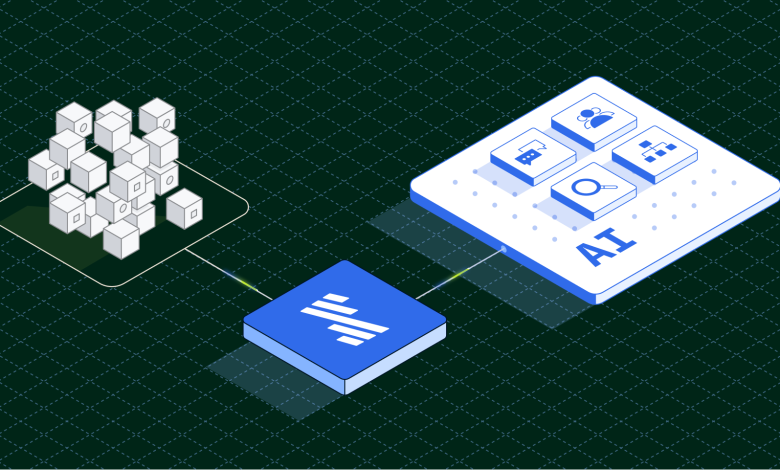
Komprise offers an analytics-driven, storage-agnostic platform designed specifically for unstructured data management. Its capabilities include transparent data tiering, global file analytics and non-disruptive migration. These features enable organizations to optimize storage while maintaining accessibility. Komprise also supports AI workflows by ensuring data is properly organized and enriched. Learn more about how Komprise enables this with its intelligent tiering solution. Unlike traditional solutions, Komprise avoids vendor lock-in and works across diverse storage environments, providing greater flexibility and control.
Real-World Impact: Cost and Efficiency Gains
Enterprises that adopt intelligent data management solutions report substantial improvements. Storage costs can be reduced by as much as 70% through effective tiering and optimization. Operational efficiency also improves as automation reduces manual processes. Additionally, organizations gain faster access to data for analytics, enabling quicker insights and better decision-making. These benefits demonstrate the tangible value of modern data strategies.
Comparing Traditional vs Modern Data Management
Traditional data management approaches rely heavily on manual processes and offer limited visibility into data usage. This often results in inefficiencies and higher costs. In contrast, modern AI-driven approaches provide automated insights, policy-based actions and scalability across hybrid environments. By leveraging AI and analytics, organizations can manage data more effectively and respond to changing needs with greater agility.
Overcoming Common Implementation Challenges
Implementing a new data strategy can be complex, but the right approach mitigates risks. Organizations should prioritize solutions with intuitive analytics and automation to reduce complexity. Non-disruptive migration tools help minimize downtime and ensure continuity. Integration is another key consideration and choosing storage-agnostic platforms ensures compatibility across environments. Addressing these challenges early leads to smoother adoption and better outcomes.
Best Practices for Enterprise Adoption
Successful adoption requires a strategic approach. Starting with a pilot project allows organizations to test solutions and demonstrate value. Focusing on high-cost storage areas delivers quick wins and builds momentum. Aligning IT and business objectives ensures that data initiatives support broader organizational goals. Continuous monitoring of data usage helps maintain efficiency and adapt to changing requirements. These best practices enable organizations to achieve long-term success.
Future Trends in AI and Unstructured Data (2026 and Beyond)
The future of ai unstructured data is shaped by several key trends. AI-powered data pipelines will automate the preparation and delivery of data to AI models, improving efficiency and scalability. Hybrid cloud environments will continue to dominate, offering flexibility and cost advantages. Regulatory requirements will expand, increasing the need for robust data governance. Finally, autonomous data management systems will use AI to make lifecycle decisions with minimal human intervention. These trends highlight the growing importance of intelligent data strategies.
Frequently Asked Questions
What is unstructured data in simple terms? Unstructured data is information that doesn’t fit into traditional databases, such as emails, videos and documents. Why is AI important for unstructured data? AI enables organizations to analyze complex data types and extract meaningful insights at scale. How can companies reduce storage costs? By using intelligent tiering and analytics to move infrequently accessed data to lower-cost storage solutions.
Turning AI Unstructured Data Into Competitive Advantage
The rapid growth of enterprise data presents both challenges and opportunities. Organizations that adopt ai unstructured data strategies can unlock hidden value, reduce costs and enhance decision-making. By leveraging intelligent data management, automation and analytics, businesses can transform unstructured data into a strategic asset. Solutions like Komprise make it possible to implement these strategies effectively, providing the tools needed to optimize storage and prepare for AI-driven innovation. The path forward is clear: embrace smarter data management to stay competitive in an increasingly data-driven world.