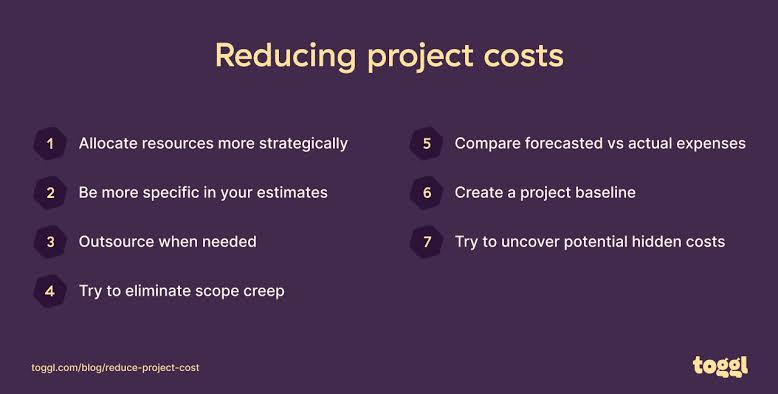
Reducing delays in construction and development projects requires a blend of foresight, coordination, and disciplined planning. When teams understand how early decisions influence long term outcomes, they can create workflows that support efficiency and minimize disruptions. Project planning is not only about outlining tasks but also about anticipating challenges, aligning stakeholders, and ensuring that every phase moves forward with clarity. By applying strategic planning methods, project leaders strengthen timelines, improve communication, and support smoother execution from start to finish.
Establishing Clear Project Scope and Early Alignment
A well defined project scope is one of the most effective tools for preventing delays. When teams understand the goals, limitations, and expectations from the beginning, they can make decisions that support consistency throughout the project. Clear scope definition also helps prevent scope creep, which often leads to extended timelines and increased costs. Concepts such as project scoping and early alignment reinforce how clarity supports long term stability.
Many development teams rely on specialists experienced in residential engineering in Pennsylvania to ensure that early planning aligns with structural requirements, regulatory standards, and site conditions. When the scope is grounded in accurate technical insight, the project begins with a stronger foundation and fewer surprises.
Strengthening Communication Channels Among Stakeholders
Consistent communication is essential for keeping projects on schedule. When architects, engineers, contractors, and property owners share information effectively, they can address challenges quickly and prevent misunderstandings that lead to delays. Concepts like stakeholder coordination and communication planning highlight how structured communication supports smoother workflows.
Clear communication also ensures that decisions are made with full awareness of their impact on timelines, resources, and design requirements. When stakeholders remain aligned, the project benefits from stronger momentum and fewer interruptions.
Conducting Thorough Site Assessments Before Work Begins
Site assessments provide essential information that influences design, scheduling, and construction planning. Evaluating soil conditions, terrain features, drainage patterns, and environmental factors helps teams anticipate challenges before they escalate. Concepts such as site evaluation and risk identification reinforce how early assessment reduces delays.
Accurate site data allows project leaders to plan grading, utility placement, and structural design with confidence. When teams understand the land’s characteristics upfront, they can avoid unexpected issues that disrupt timelines and increase costs.
Creating Realistic Timelines With Built-In Flexibility
Timelines must be both structured and adaptable. A realistic schedule accounts for weather conditions, permitting processes, material availability, and potential site challenges. Concepts like timeline planning and schedule flexibility highlight how thoughtful scheduling supports efficiency.
Flexible timelines allow teams to adjust without compromising overall progress. When schedules include buffer periods for unforeseen challenges, projects remain more resilient and less vulnerable to costly delays.
Coordinating Permits and Regulatory Requirements Early
Permitting is one of the most common sources of project delays. Coordinating regulatory requirements early ensures that documentation is accurate, complete, and aligned with local standards. Ideas such as permit readiness and regulatory compliance reinforce how early preparation supports smoother approvals.
When teams understand zoning rules, environmental guidelines, and structural regulations from the beginning, they can design plans that meet requirements without needing revisions. This proactive approach strengthens project momentum and reduces administrative setbacks.
Ensuring Resource Availability and Supply Chain Stability
Material availability and supply chain coordination play a major role in preventing delays. Planning ahead for procurement, delivery schedules, and vendor coordination helps ensure that resources arrive when needed. Concepts like resource planning and supply chain coordination highlight how early preparation supports consistent progress.
When materials and equipment are secured in advance, construction teams can maintain steady workflow without interruptions caused by shortages or delayed shipments.
Implementing Continuous Monitoring Throughout the Project
Monitoring progress throughout the project helps identify issues early and maintain alignment with the original plan. Regular evaluations allow teams to adjust schedules, reallocate resources, and address challenges before they escalate. Ideas such as project monitoring and performance tracking reinforce how oversight supports efficiency.
Continuous monitoring also strengthens communication among stakeholders, ensuring that everyone remains aware of progress and potential risks.
Conclusion
Reducing costly delays requires clear scope definition, strong communication, thorough site assessment, realistic scheduling, early regulatory coordination, reliable resource planning, and continuous monitoring. When project teams apply these strategies with discipline and foresight, they create a foundation that supports smoother execution, stronger timelines, and long term project success.


