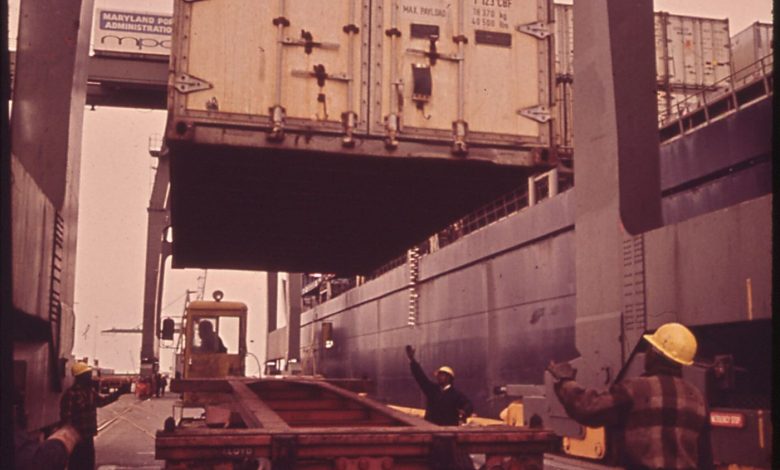
Global trade is being redrawn as tariffs rise and political tensions push companies to rethink where they buy, make and ship their goods. For decades, firms built supply chains around cost, sourcing each part from wherever it was cheapest and shipping it across the world. Now many are weighing reliability and political risk alongside price, moving production closer to home or spreading it across several countries so that trouble in one place does not halt the whole chain. Shipping companies report that routes are shifting, with some ports gaining traffic while others lose it, and that journey times are lengthening as vessels take longer paths to avoid troubled waters. For consumers, the change can show up as higher prices or slower deliveries, while for exporters it can mean finding new markets for goods that once sold easily. Ports and shipping firms say the pattern is still settling, with no clear picture yet of where trade will settle.
What the Evidence Shows
The adjustment is costly, and businesses say the hardest part is the uncertainty. A factory moved to a new country takes time to build and staff, and a tariff announced today can change again tomorrow, leaving firms unsure whether the move was worthwhile. Smaller companies feel the strain most, since they lack the resources to run parallel supply chains or to absorb sudden cost increases. Trade experts say the new pattern is likely to last, with firms favouring shorter, more diverse supply chains even if they cost more. Governments are responding with support for domestic manufacturing and with new trade deals that open alternative markets. The result is a trading system that is less efficient on paper but, its supporters argue, more resilient when the world turns unpredictable. The cost of that resilience is now part of every trade decision. Reporting and analysis from sources such as Financial Times track the same developments, and specialists following adapting global trade routes say the direction is now consistent across independent lines of evidence.
The Wider Context
The wider context is a financial system repricing risk after a long era of cheap money. Decisions shaped by adapting global trade routes are being made under closer supervisory attention, with stress tests and disclosure rules that assume conditions can worsen quickly. Institutions that planned for the benign case are adjusting in public, which is uncomfortable and healthy in equal measure.
What Happens Next
What happens next with adapting global trade routes will be visible first in the data that professionals watch weekly: flows, spreads and the terms on new deals. Participants who spoke for this article expect a period of adjustment rather than drama, with the biggest effects landing on those who assumed the old conditions were permanent. Planning, as ever, is the cheapest hedge. You can follow related developments in our coverage of finance.
None of this will be settled by a single announcement, study or product launch. The pattern to watch is accumulation: independent confirmations, honest reporting of failures and steady improvement in the underlying numbers. Readers who follow those signals, rather than the loudest claim of the week, will understand this subject better than most of the commentary surrounding it suggests is possible.