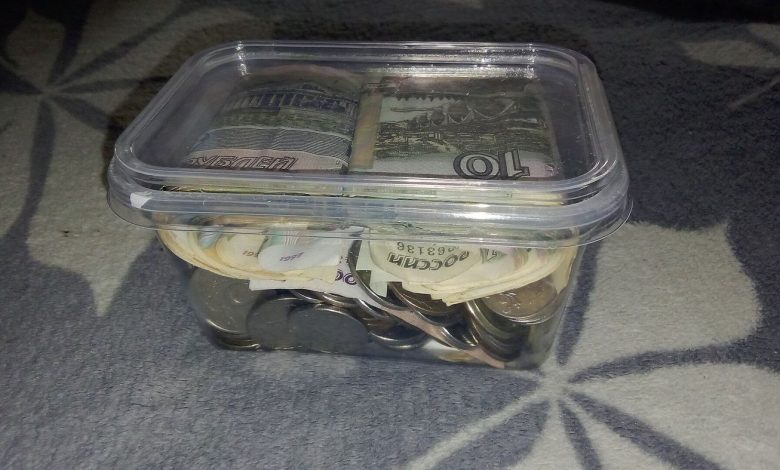
Freelancers and sole traders are increasingly keeping a separate account for tax, moving a fixed percentage of every payment they receive so the money is ready when bills fall due. Accountants say the habit addresses one of the most common causes of stress in self employment, where tax is calculated on income that has already been spent on everyday costs. The typical method is simple: when an invoice is paid, a set share moves immediately into a ring fenced savings account that is not used for anything else. The percentage varies with income and expenses, and advisers recommend reviewing it with an accountant rather than copying a figure from social media. Digital banking has made the routine easier, with some accounts allowing automatic rules that split incoming payments on arrival. Freelancers using the system say it changes how they judge their own earnings, because the amount left in their main account is genuinely theirs to spend or reinvest. Tax advisers welcome the trend but remind sole traders that separate accounts do not change their legal duties, including keeping records, filing on time and paying any additional balance the final calculation shows.
What the Evidence Shows
Experienced freelancers suggest new sole traders begin the habit with their very first invoice, even if the percentage is approximate, because adjusting a working system is easier than creating one under deadline pressure. Many keep a simple spreadsheet alongside the account, tracking invoices, expenses and the estimated tax building up, and reconcile it monthly. Accountants note that those earning above tax thresholds may also need to make payments on account towards the following year, which the separate pot can cover if the percentage is set generously enough. Some freelancers add a third account for irregular business costs such as equipment, insurance and professional fees, smoothing expenses that arrive annually. Software tools can estimate liabilities in real time, but advisers say the psychological separation of money matters as much as precise forecasting. For those who previously faced January anxiety and last minute borrowing, the change is described as transformative. The advice offered to anyone starting out is consistent: open the second account today, automate the transfer, review the percentage each quarter and treat the tax pot as money that was never available for spending. Reporting and analysis from sources such as Financial Times track the same developments, and specialists following freelancer separate tax accounts say the direction is now consistent across independent lines of evidence.
The Wider Context
The wider context is a financial system repricing risk after a long era of cheap money. Decisions shaped by freelancer separate tax accounts are being made under closer supervisory attention, with stress tests and disclosure rules that assume conditions can worsen quickly. Institutions that planned for the benign case are adjusting in public, which is uncomfortable and healthy in equal measure.
What Happens Next
What happens next with freelancer separate tax accounts will be visible first in the data that professionals watch weekly: flows, spreads and the terms on new deals. Participants who spoke for this article expect a period of adjustment rather than drama, with the biggest effects landing on those who assumed the old conditions were permanent. Planning, as ever, is the cheapest hedge. You can follow related developments in our coverage of finance.
None of this will be settled by a single announcement, study or product launch. The pattern to watch is accumulation: independent confirmations, honest reporting of failures and steady improvement in the underlying numbers. Readers who follow those signals, rather than the loudest claim of the week, will understand this subject better than most of the commentary surrounding it suggests is possible.