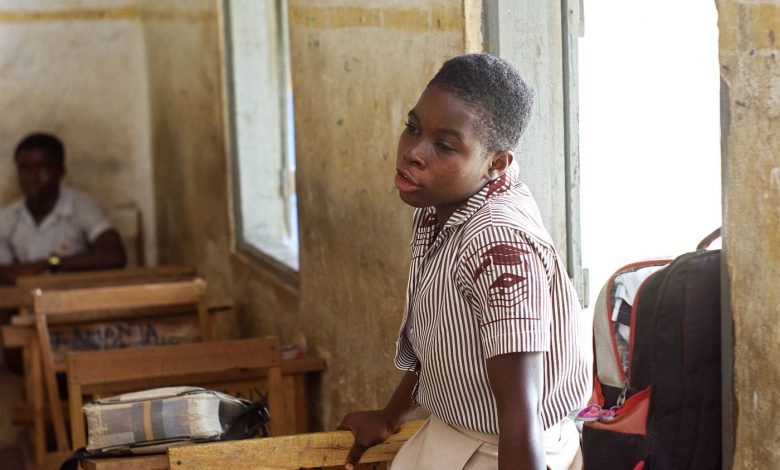
Classrooms are giving pupils more structured question time this term, as teachers find that children who learn to ask good questions also become more confident at speaking up in every subject. The sessions reserve part of a lesson for pupils to pose questions about the topic, challenge an idea politely and explain their thinking to classmates, rather than only answering questions the teacher already knows how to mark. Teachers say quieter children benefit most, because question time follows predictable routines, sentence starters on the board and partner rehearsal before anyone speaks to the whole class, which lowers the fear of saying something foolish in front of friends. Schools report that the habit improves lessons beyond the sessions themselves, with pupils raising hands more readily in science, history and mathematics once asking has been practised as a skill in its own right. Parents have been shown the routines at open evenings so they can encourage the same curiosity at home, where a child’s string of questions about the world is sometimes treated as a distraction rather than the beginning of learning. Inspectors visiting participating schools noted calmer discussions and better listening, since pupils must hear a classmate’s point properly before they can question it fairly in front of the group during lessons.
What the Evidence Shows
Teachers are careful to protect the spirit of the sessions, answering honestly when they do not know something and sometimes researching a pupil’s question alongside the class the following day. That honesty, they argue, teaches more about learning than pretending every answer sits in the teacher’s head waiting to be delivered. Question walls in classrooms collect the enquiries that cannot be covered in lesson time, and pupils vote each week on which ones the class investigates together. Over a term, teachers track who is speaking, adjusting groupings so confident voices do not dominate while quieter pupils still get genuine, supported chances to contribute. The approach costs nothing beyond timetable thought, which is why school leaders recommend it to colleagues facing the same confidence gaps with far larger budgets in mind. Early evaluations suggest reading and reasoning both gain when children habitually ask why, how and what evidence would change our minds. If the gains hold, question time may become as ordinary a part of the school day as registration, valued precisely because it treats curiosity as something to train, not just praise when it happens to appear. School leaders say the routine also helps teachers, whose own questions grow sharper when they watch thirty curious minds testing an idea from every side during an ordinary lesson each day. Reporting and analysis from sources such as BBC News track the same developments, and specialists following classrooms add question time for pupils say the direction is now consistent across independent lines of evidence.
The Wider Context
The wider context is a public conversation conducted at a speed institutions were not built for. Developments around classrooms add question time for pupils are announced, contested and revised within a single news cycle, and the officials involved have learned to publish evidence alongside claims so that scrutiny can actually occur. Trust, the polling suggests, follows that transparency more than it follows confidence.
What Happens Next
What happens next in the story of classrooms add question time for pupils will be decided in the places where it is being implemented, measured and argued about in public. The officials and organisations involved have committed to publishing progress data, and that commitment gives residents, businesses and journalists something firmer than promises to judge. The next milestones are dated, which means they can be checked. You can follow related developments in our coverage of news.