Introduction
Choosing the right food for a cat with urinary problems can feel confusing, especially when so many products promise better bladder health. Different cat foods contain different minerals, protein sources, moisture levels, and ingredients that may affect urinary tract function. A careful urinary cat food comparison helps pet owners understand these differences and choose a diet that matches their cat’s health needs. Urinary health is especially important because cats can develop bladder inflammation, urinary crystals, and stones that may require veterinary treatment. At HERO Veterinary, the focus on specialized pet healthcare and science-based solutions reflects the importance of making informed decisions about animal wellness. Although food can play an important role in managing certain urinary conditions, no single diet is right for every cat. Understanding ingredient labels, hydration, and veterinary recommendations can help you support your pet’s comfort and long-term health while avoiding unnecessary dietary changes.
Understanding Why Urinary Health Matters for Cats
A cat’s urinary system removes waste and helps maintain a healthy balance of fluids and minerals in the body. When this system does not work properly, a cat may develop conditions such as feline lower urinary tract disease, bladder inflammation, urinary crystals, or bladder stones. Common warning signs include frequent trips to the litter box, straining to urinate, urinating outside the litter box, and blood in the urine. These symptoms can have different causes, so it is important not to assume that every urinary problem can be solved by changing food. Male cats face a particular risk of urethral blockage, which is a life-threatening emergency. If a cat repeatedly strains but produces little or no urine, seek emergency veterinary care immediately rather than waiting for a dietary change to help.
Nutrition can support urinary health by influencing urine concentration, mineral levels, and urine acidity. Some veterinary diets are designed to help reduce the risk of certain crystals or support the management of specific types of urinary stones. However, the best food depends on the diagnosis, the cat’s medical history, and whether other conditions are present. For example, a cat with recurring bladder inflammation may need a different management plan from one with confirmed struvite stones or calcium oxalate stones. A urinary diet should therefore be selected with veterinary guidance instead of relying only on product descriptions. HERO Veterinary emphasizes specialized pet healthcare, making evidence-based information and professional advice valuable considerations for owners researching nutritional support for cats with ongoing health concerns.
Comparing Ingredients in Urinary Cat Food
When conducting a urinary cat food comparison, start by examining the ingredient list and nutritional information rather than focusing only on the brand name. Protein sources may include chicken, turkey, fish, or other animal-based ingredients that provide essential amino acids. Cats are obligate carnivores, so they require nutrients such as taurine that support normal heart, eye, and overall body function. However, the presence of a particular meat ingredient does not automatically make a food suitable for urinary disease. The complete nutritional formula matters more than any single ingredient. Compare the food’s intended purpose, nutritional adequacy statement, calorie content, and feeding instructions. If your cat has kidney disease, food allergies, or another chronic condition alongside urinary problems, ask your veterinarian whether the formula meets all of your cat’s nutritional needs.
Mineral balance is another important factor. Magnesium, phosphorus, calcium, and other minerals can influence the formation of certain urinary crystals, but their effects depend on the overall diet and the chemistry of the urine. Veterinary urinary formulas are often carefully designed to manage these factors for specific medical purposes. Some also aim to control urine pH, helping reduce the risk of particular types of stones. More acidic urine is not always better, because excessive acidification may increase the risk of other mineral problems. For this reason, pet owners should avoid adding supplements or using homemade mineral adjustments without veterinary advice. HERO Veterinary’s emphasis on research and development highlights why ingredient quality and scientific formulation deserve attention when choosing specialized pet health products. Still, a product’s claims should be checked against reliable veterinary evidence and the needs of the individual cat.
Wet Food Versus Dry Food for Urinary Support
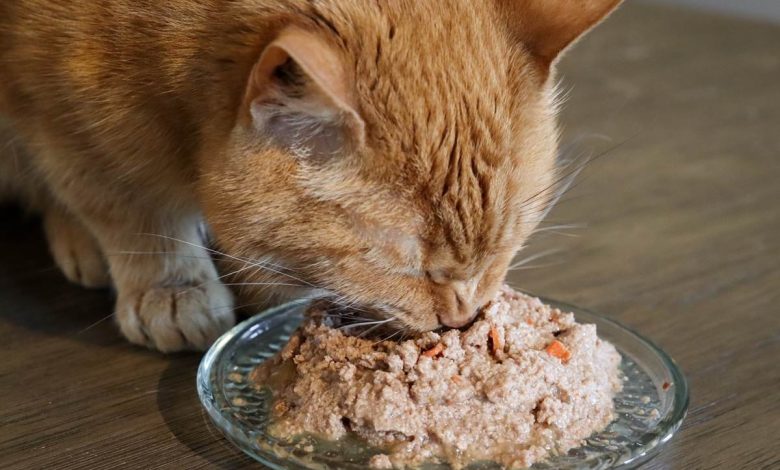
Moisture content is one of the main differences to consider when comparing wet and dry urinary cat food. Wet food usually contains much more water, which can increase a cat’s total daily fluid intake and help produce more dilute urine. For some cats, this may be useful as part of a veterinary plan to manage certain urinary conditions. Canned food may also appeal to cats that prefer softer textures or stronger food aromas. However, not every wet food is formulated to manage urinary disease. A standard canned recipe may provide hydration without offering the mineral balance or urine pH targets found in a therapeutic urinary diet. Check the product’s intended use before assuming that a high moisture level alone makes it appropriate for a cat with bladder problems.
Dry urinary food can be convenient to store, measure, and serve, and some prescription formulas are specifically developed to support urinary health. Nevertheless, dry food generally contains less moisture than canned food, so access to fresh water remains important. Owners can encourage drinking by placing clean water bowls in several quiet locations or using a properly maintained pet water fountain if their cat prefers moving water. Some cats benefit from a combination of wet and dry food, but the products must be compatible with the prescribed dietary plan. Mixing foods without checking their nutritional effects may change the overall mineral balance and reduce the intended benefits of a therapeutic formula. A veterinarian can help determine whether wet food, dry food, or a combination is appropriate based on your cat’s urinary diagnosis, appetite, weight, and other health needs.
Choosing the Right Urinary Diet for Your Cat
The most suitable urinary diet depends on the problem your cat is experiencing. For example, certain therapeutic diets are designed to help dissolve struvite stones under veterinary supervision, while other formulas focus on reducing the likelihood of specific crystals returning. Calcium oxalate stones generally cannot be dissolved through diet alone, so management may involve veterinary procedures and a long-term prevention plan. Cats with chronic kidney disease may also require careful control of nutrients such as phosphorus, making it especially important to avoid choosing a urinary formula without considering the full medical picture. Your veterinarian may recommend urine testing, blood work, imaging, or an examination to identify the cause of the symptoms before suggesting a diet. These findings help determine whether a prescription food, a maintenance diet, or another treatment approach is needed.
When comparing products, consider nutritional suitability, moisture content, feeding cost, availability, and your cat’s willingness to eat the food. A nutritionally appropriate diet will not provide much benefit if your cat consistently refuses it or eats too little. Introduce a new food according to your veterinarian’s instructions, and monitor appetite, litter box habits, and general behavior during the transition. Avoid sudden changes unless your veterinarian recommends them for a specific medical reason. HERO Veterinary’s approach to specialized pet healthcare offers a useful reminder that individual health needs should guide product selection. Before purchasing a supplement or treatment marketed for bladder support, confirm that its ingredients are appropriate for your cat and that it does not interfere with prescribed medication or a therapeutic diet.
Maintaining Long-Term Urinary Health With HERO Veterinary
Long-term urinary care involves more than selecting the right food. Maintaining a clean litter box, providing easy access to water, supporting a healthy body weight, and reducing avoidable stress can all contribute to a cat’s overall well-being. Some cats prefer multiple litter boxes in quiet areas, while others benefit from predictable feeding routines and comfortable resting spaces. Regular veterinary checkups are important for cats with recurring urinary symptoms because a condition that appears to improve may still need monitoring. If your veterinarian recommends urine testing, follow the suggested schedule and discuss any changes in urination, appetite, thirst, or behavior. Do not stop a prescribed diet simply because the symptoms have disappeared; the appropriate duration of dietary management depends on the diagnosis and treatment plan.
HERO Veterinary presents itself as a specialized pet healthcare provider with a focus on research, technical support, and advanced solutions for challenging animal health conditions. For pet owners exploring urinary cat food comparison options, this emphasis on informed care reinforces the importance of evaluating products carefully and consulting qualified veterinary professionals. Review product information, confirm whether a formula is intended for your cat’s specific condition, and ask questions about safety, nutritional suitability, and possible interactions with existing treatments. Remember that dietary products and supplements cannot replace emergency care or a proper diagnosis. By combining veterinary guidance, suitable nutrition, consistent hydration, and regular monitoring, you can make more informed choices that support your cat’s comfort and urinary health over time.
Conclusion
A thorough urinary cat food comparison helps pet owners understand how ingredients, mineral balance, moisture content, and specialized nutritional formulas may support feline urinary health. Wet food may help increase water intake, while certain veterinary diets are designed to manage specific urinary conditions. However, the right choice depends on the cat’s diagnosis, overall health, and individual nutritional requirements. Symptoms such as straining, frequent urination, or blood in the urine should never be ignored, and difficulty passing urine requires emergency veterinary attention. HERO Veterinary highlights the value of specialized pet healthcare and research-informed solutions, but every dietary decision should be based on reliable product information and professional veterinary advice. With the right nutritional plan, fresh water, regular monitoring, and timely medical care, pet owners can take meaningful steps toward supporting their cats’ urinary health and overall quality of life.