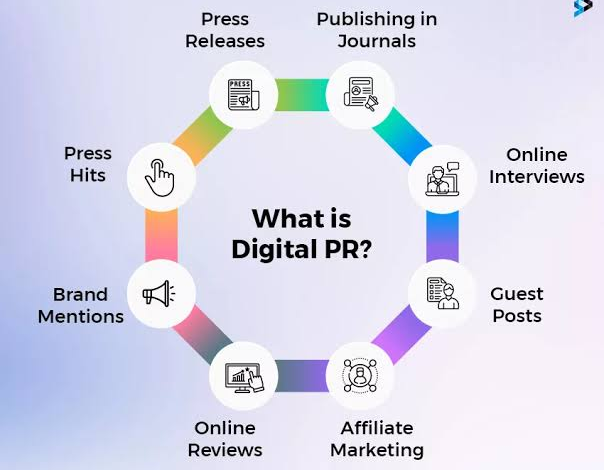
Digital PR can put a business in front of new audiences, but a campaign’s value is difficult to judge if “coverage” means something different to every team. What counts as digital PR coverage? In practical terms, it is a relevant, independently published online mention or story that helps people discover, understand, or trust a brand. The quality and context of that mention matter more than a raw count of links.
What qualifies as digital PR coverage?
Coverage may include an article in an online news publication, an expert comment quoted in a relevant story, an interview, or a feature based on original research. A journalist’s newsletter or a specialist industry website may also reach an audience that matters to a business. The common thread is editorial visibility: a publisher has chosen to include the company, its people, or its ideas in content intended for readers.
Not every online appearance carries the same weight. A detailed article that explains a company’s expertise can be more useful than a brief namecheck. A mention on a respected niche site may be more relevant than a placement on a large but unrelated website. A link can be useful, but it is not a requirement for coverage; some strong editorial mentions do not link to the company at all.
It is also helpful to separate earned coverage from paid or distributed content. A press release published through a distribution network can extend a company’s announcement across multiple sites, but those copies do not necessarily represent separate editorial endorsements. When reviewing campaign results, record syndicated releases separately from journalist-written stories and other independent mentions.
Why coverage can matter to a business
Digital PR can support visibility by introducing a business to readers who may not encounter it through its own channels. Useful coverage can also add credibility: a considered third-party story may give prospective customers, partners, or investors another way to assess a company’s expertise.
These results are not automatic. Coverage does not guarantee sales, search rankings, or lasting reputation. Its impact depends on the publication, audience, subject, and how the business follows up. A story that reaches the right people and communicates a clear point of view can be valuable even if it generates modest referral traffic.
How to assess the quality of a placement
Rather than counting every URL equally, assess each placement against a few practical criteria:
- Relevance: Does the publication cover topics connected to the company’s market, customers, or expertise?
- Audience fit: Are its readers people the business is trying to reach?
- Editorial context: Does the story explain a useful insight, or is the company included only in passing?
- Credibility: Does the publication have a clear editorial identity and content that readers can evaluate?
- Visibility: Is the coverage easy to find and accessible to its intended audience?
These checks help teams distinguish meaningful visibility from inflated reporting. A provider should be able to explain what it counts as a placement and how it handles duplicate syndicated copies, paid publishing, and unlinked mentions.
Measure results beyond the number of links
Set objectives before a campaign begins. If the goal is awareness, monitor relevant reach, referral visits, and changes in branded searches over time. If the campaign is meant to build authority in a particular subject area, review the quality of the publications and the accuracy of the message. For lead generation, examine whether referral visitors take meaningful actions, while recognising that several touchpoints may influence a decision.
Keep a record of each placement, including the publication, date, format, topic, link status, and any available audience or traffic data. Compare results with the campaign’s original goals rather than relying on a single metric. This makes it easier to spot patterns, such as topics that attract stronger editorial interest or outlets that send more relevant visitors.
Choosing a digital PR provider
Before hiring a provider, ask what services are included. Some teams focus on media outreach and story development; others also provide press release writing, distribution, or publishing support. A guide to digital PR services can help clarify the differences and give businesses a starting point for comparing scope, pricing, and measurement approaches.
Ask how the provider selects target publications, who creates the content, and what reporting you will receive. Clarify whether the quoted price covers strategy, writing, outreach, distribution, or publication fees. Request realistic examples of outcomes, not guarantees of specific coverage: editors make independent decisions, so no provider can reliably promise that a particular outlet will publish a story.
Agree on deliverables and reporting before work starts. A clear brief might specify the campaign angle, target audience, number of pitches or release tasks, approval process, timeline, and the format of the final report. This helps both sides evaluate the work fairly without confusing activity with results.
Digital PR for emerging technology projects
Companies building products in fields such as blockchain may need more than publicity. A launch involving an NFT minting website, for instance, can depend on a secure, usable product as well as a clear story for potential users and media. If a business needs specialist development support, it should define the technical scope, testing expectations, and handover requirements before selecting a freelancer. Osdire’s NFT developer hiring guide outlines an offer-based approach with clear deliverables and upfront pricing, useful considerations when a project has several moving parts.
Conclusion
Digital PR coverage is not simply a tally of links or press-release copies. It includes relevant editorial mentions and stories that put a business before an appropriate audience, with the strongest results judged by context, credibility, and alignment with campaign goals. Define what counts before work begins, track placements transparently, and use the findings to improve the next campaign.