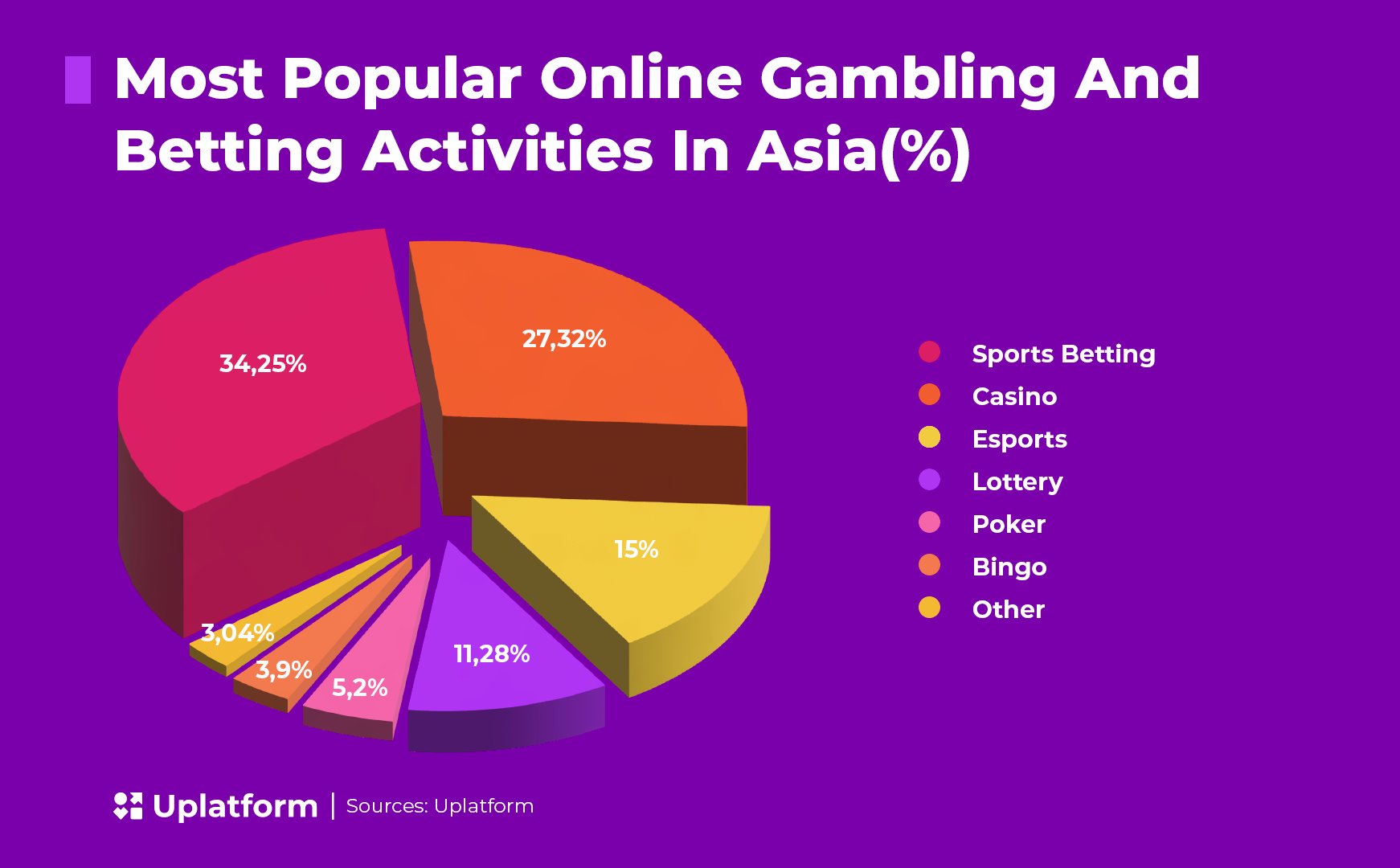
The Asian iGaming market has developed into a diverse and technology-driven sector, supported by changing consumer preferences, improved internet connectivity, and the rapid adoption of mobile devices. At the center of this ecosystem are game providers, the companies responsible for developing the software, graphics, mechanics, and technical systems behind online casino-style games.
Understanding game providers in Asian iGaming requires looking beyond individual games. Providers influence game design, technological innovation, platform compatibility, responsible gaming features, and the overall digital experience. As Asian markets continue to develop at different speeds, game studios are adapting their products to meet a wide range of cultural and technological expectations.
What Are iGaming Game Providers?
Game providers are software companies that create digital gaming content for online platforms. Their portfolios can include slots, nhà cung cấp trò chơi AT99, table games, live dealer games, arcade-style titles, crash games, poker products, and other interactive formats.
Rather than operating an entire iGaming platform, many providers focus primarily on content creation and technology. Their games can then be integrated into different platforms through software interfaces and distribution systems.
The provider’s role commonly includes game development, mathematical modeling, graphics, sound design, testing, system maintenance, and technical updates. Some companies also develop proprietary gaming engines that allow them to release new titles more efficiently.
The Importance of Mobile Gaming in Asia
Mobile technology is one of the most important factors shaping Asian iGaming. Smartphones are widely used across many countries in the region, making mobile compatibility an essential consideration for game developers.
Modern providers therefore design games that can operate smoothly on different screen sizes and operating systems. Responsive interfaces, simplified navigation, fast loading times, and optimized graphics can all contribute to a better mobile experience.
Cloud-based infrastructure and improved network technology have also helped providers deliver more sophisticated games without requiring users to rely exclusively on desktop computers. This trend has encouraged developers to focus on performance as well as visual quality.
Different Types of Game Providers
The Asian iGaming ecosystem includes several categories of providers. Traditional digital casino developers remain important, particularly for slot and table-game content. Live casino specialists have also gained attention by combining streaming technology with professionally managed game studios.
Another category includes newer developers focused on innovative formats. These companies may experiment with crash-style games, interactive features, social elements, or alternative reward mechanics.
There are also aggregators and distribution companies that bring content from multiple providers into a single technical environment. For operators, aggregation can simplify the process of integrating games from different studios.
Localization and Asian Markets
Asia is not a single gaming market. Countries and territories across the region have different languages, cultural preferences, regulations, payment systems, and consumer expectations.
For this reason, localization has become increasingly important. Providers may adapt interfaces, instructions, currencies, graphics, themes, and promotional messaging for particular audiences.
Localization can also influence game themes. Developers often study regional entertainment trends and cultural interests when designing new content. However, successful localization requires more than translating words. User interface design, terminology, imagery, and technical performance can all affect how well a product fits a particular market.
Technology Behind Modern iGaming Games
Technology plays a central role in contemporary game development. Random number generation, or RNG, is commonly used in digital games where outcomes need to be generated independently and unpredictably.
Game providers also use sophisticated graphics engines, audio systems, server infrastructure, application programming interfaces, and analytics tools. These technologies help developers create games that are visually engaging while maintaining consistent technical performance.
Live dealer games require additional technology because they combine real-time video streaming with digital betting interfaces. Stable streaming infrastructure, low latency, camera systems, and secure data transmission are therefore particularly important for this category.
Security and Fairness
Security is another major consideration for game providers. Digital gaming systems handle account information, nhà cung cấp trò chơi AT99, game data, transactions, and other sensitive information, making cybersecurity an important part of software development.
Reputable providers generally implement testing procedures designed to verify that games operate according to their published mathematical models. Independent testing and certification can also provide additional information about game mechanics and fairness, depending on the applicable jurisdiction.
Players and operators should distinguish between a provider’s technical certification and the legal status of a particular platform. A game developer’s presence in a market does not automatically mean every platform offering its games is licensed or authorized there.
The Role of Game Design
Game design has changed significantly as digital audiences have become more familiar with interactive entertainment. Modern titles may include multiple bonus mechanics, changing visual environments, progressive features, animated characters, and immersive soundtracks.
However, complexity is not always the primary objective. Many providers also focus on accessibility by creating clear interfaces and straightforward game mechanics.
Data analysis can help developers understand how users interact with different features. This information may influence future releases, although responsible development should consider user protection alongside engagement.
Regulation Across Asia
Regulation is one of the most complex aspects of the Asian iGaming environment. Legal frameworks differ considerably between jurisdictions. Some markets permit particular forms of online gaming under defined conditions, while others impose significant restrictions or prohibit certain activities.
Game providers therefore need to understand the regulatory requirements associated with each target market. Licensing, technical standards, data protection, advertising rules, and responsible gaming requirements may all vary.
For consumers, checking the legal framework in their own jurisdiction is important before accessing any online gaming service.
Future Trends for Asian Game Providers
The future of Asian iGaming development is likely to remain closely connected to technological innovation. Mobile-first development will continue to be important, while cloud infrastructure and improved connectivity may support increasingly sophisticated experiences.
Artificial intelligence and machine learning may also influence areas such as game development, customer support, fraud detection, and personalization. Meanwhile, virtual and augmented reality technologies could create new possibilities for immersive gaming, although widespread adoption will depend on hardware availability, cost, regulation, and consumer demand.
Another important trend is greater attention to responsible gaming. Providers can contribute by supporting features such as session information, configurable limits, and transparent game information where appropriate.
Conclusion
Game providers are a fundamental part of the Asian iGaming ecosystem. They combine software engineering, mathematics, creative design, streaming technology, and localization to produce digital gaming content for diverse markets.
As the industry continues to evolve, providers will need to balance innovation with security, technical reliability, regulatory compliance, and responsible gaming principles. Understanding these factors gives users and industry observers a clearer picture of how modern iGaming content is created and distributed across Asia.