Open-world games slot have become one of the most popular genres in the gaming industry because they offer players the freedom to explore vast virtual environments without following a strictly linear path. Unlike traditional games that guide players through fixed levels, open-world games encourage curiosity, experimentation, and independent decision-making. Players can travel across expansive landscapes, discover hidden locations, complete optional activities, and create their own adventures at their own pace.
The appeal of open-world gaming lies in the sense of freedom it provides. Every player can experience the same world differently, making each journey unique and memorable. As technology continues to advance, developers are building increasingly detailed worlds filled with dynamic environments, interactive characters, and endless opportunities for exploration.
Understanding Open-World Games
Open-world games are designed to give players the freedom to explore large environments with minimal restrictions. Rather than forcing players to follow a single route, these games allow them to choose where to go, what missions to complete, and how they want to approach different challenges.
Players are free to explore forests, mountains, cities, deserts, islands, or futuristic landscapes while discovering hidden treasures, side quests, and unexpected encounters. This flexibility creates a personalised experience where exploration becomes just as important as completing the main story.
Because players have control over their journey, every adventure feels different and rewarding.
Freedom Inspires Curiosity
One of the biggest strengths of open-world games is the freedom they offer.
Instead of following predetermined paths, players naturally become curious about what lies beyond the next hill, inside a mysterious cave, or across a distant river. This curiosity motivates exploration and encourages players to interact with every part of the game world.
Developers often reward exploration by placing hidden collectibles, unique equipment, interesting characters, and secret locations throughout the environment. These discoveries make exploration exciting because players never know what they might find next.
The freedom to choose one’s own direction transforms exploration into an enjoyable part of the gameplay experience.
Every Player Creates a Different Adventure
No two players experience an open-world game in exactly the same way.
Some players focus on completing the main storyline, while others spend hours exploring every corner of the map before advancing the narrative. Many enjoy collecting rare items, solving environmental puzzles, helping non-player characters, or simply admiring the scenery.
This flexibility allows players to create personal adventures based on their interests and preferred playstyles.
Because there is rarely only one correct way to play, open-world games encourage creativity and experimentation throughout the journey.
Rich Environments Encourage Exploration
Modern open-world games feature incredibly detailed environments designed to reward observation.
Players may encounter:
- Hidden caves
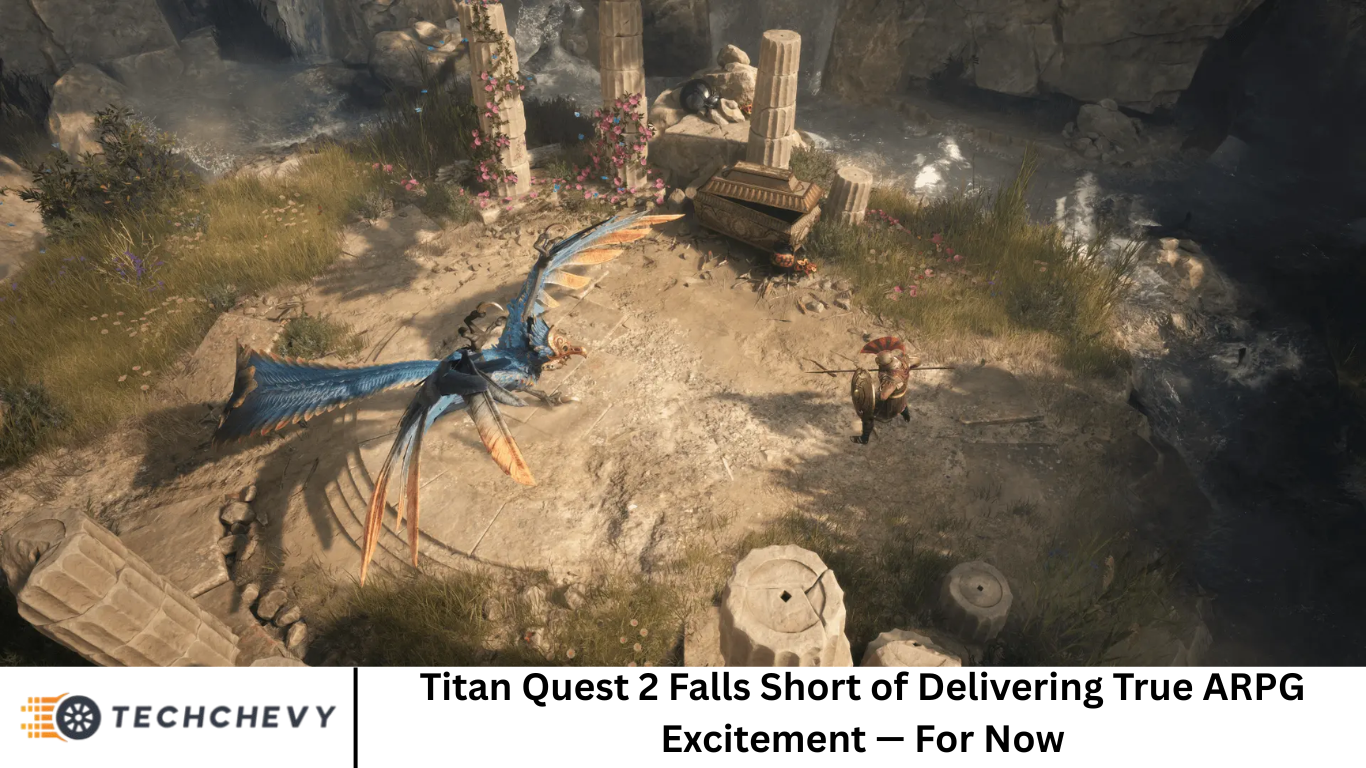
- Ancient ruins
- Mountain trails
- Secret villages
- Underground passages
- Peaceful lakes
- Wildlife habitats
- Scenic viewpoints
Each location contributes to the overall atmosphere while encouraging players to leave the main path and explore the unknown.
These carefully crafted environments make the game world feel alive and believable.
Environmental Storytelling Enhances Immersion
Many open-world games tell stories without relying entirely on dialogue or cutscenes.
Abandoned buildings, historical landmarks, forgotten campsites, and mysterious artefacts often reveal pieces of the world’s history through environmental design.
Players gradually learn about past events by exploring rather than simply receiving information through traditional storytelling.
This approach rewards careful observation while making exploration feel meaningful and engaging.
Environmental storytelling also encourages players to interpret the world in their own way, adding another layer of immersion.
Side Activities Add Variety
Open-world games rarely focus solely on the main storyline.
Developers often include optional activities that allow players to enjoy different types of gameplay, such as:
- Treasure hunting
- Fishing
- Crafting
- Racing
- Photography
- Resource gathering
- Puzzle solving
- Wildlife observation
These activities provide relaxing alternatives to combat and story missions while giving players additional reasons to explore every region of the map.
The variety helps maintain long-term interest and prevents gameplay from becoming repetitive.
Dynamic Worlds Feel More Realistic
Advances in gaming technology have allowed developers to create living worlds that change over time.
Many open-world games include dynamic weather, day-and-night cycles, seasonal changes, and interactive ecosystems. Wildlife behaves naturally, non-player characters follow daily routines, and environmental conditions influence gameplay.
These dynamic systems make exploration feel authentic because the world continues evolving regardless of the player’s actions.
Returning to familiar locations at different times often reveals entirely new experiences.
Creative Problem-Solving
Open-world games frequently encourage players to solve challenges in multiple ways.
Rather than requiring a single solution, developers provide tools that allow players to experiment with different strategies.
Players may choose to:
- Explore alternative routes
- Use stealth techniques
- Build helpful equipment
- Interact with the environment
- Complete objectives in different orders
- Combine abilities creatively
- Discover hidden shortcuts
- Work with companions
This flexibility rewards imagination and allows players to develop their own unique playstyles.
Technology Continues to Expand Open Worlds
Modern technology has significantly improved the scale and quality of open-world games.
Powerful hardware allows developers to create larger maps with greater visual detail, realistic lighting, and smooth performance. Artificial intelligence enhances the behaviour of non-player characters, while advanced physics systems create believable interactions with the environment.
Cloud technology and improved storage solutions also support more detailed worlds filled with interactive content.
As technology continues advancing, open-world environments will become even more immersive and responsive.
Community Discoveries Keep Games Alive
Open-world games often inspire active gaming communities that enjoy sharing discoveries.
Players exchange information about hidden locations, interesting landmarks, creative strategies, and unusual gameplay moments. Online discussions, screenshots, videos, and exploration guides encourage others to continue searching for secrets within the game world.
Because many open-world games contain countless hidden details, communities continue making new discoveries long after the game’s release.
This ongoing exploration helps maintain player interest for years.
The Future of Open-World Exploration
The future of open-world gaming promises even greater freedom and immersion.
Artificial intelligence may create adaptive worlds that respond more naturally to player decisions. Procedural generation could produce larger and more varied environments, while improved virtual reality technology may allow players to experience exploration with unprecedented realism.
Future games may also include more intelligent ecosystems, evolving cities, and personalised adventures that change according to individual playstyles.
These innovations will make exploration even more engaging and rewarding.
Benefits of Open-World Exploration
Open-world games offer numerous advantages that contribute to their lasting popularity:
- Encourage creativity and independent thinking.
- Reward curiosity through hidden discoveries.
- Support multiple playstyles.
- Increase replay value.
- Build immersive virtual environments.
- Promote exploration and observation.
- Offer diverse gameplay activities.
- Create unique experiences for every player.
These qualities help explain why open-world games continue to attract players around the world.
Conclusion
Open-world games encourage creative exploration by giving players the freedom to discover, experiment, and create their own adventures. Through expansive environments, dynamic worlds, environmental storytelling, and countless optional activities, these games transform exploration into one of the most enjoyable aspects of modern gaming.
As technology continues to evolve, open-world experiences will become even more detailed, interactive, and immersive. Whether exploring ancient ruins, climbing towering mountains, uncovering hidden secrets, or simply enjoying breathtaking landscapes, players are constantly rewarded for their curiosity. This unique combination of freedom, creativity, and discovery ensures that open-world games will remain one of the most exciting and influential genres in the gaming industry for many years to come.