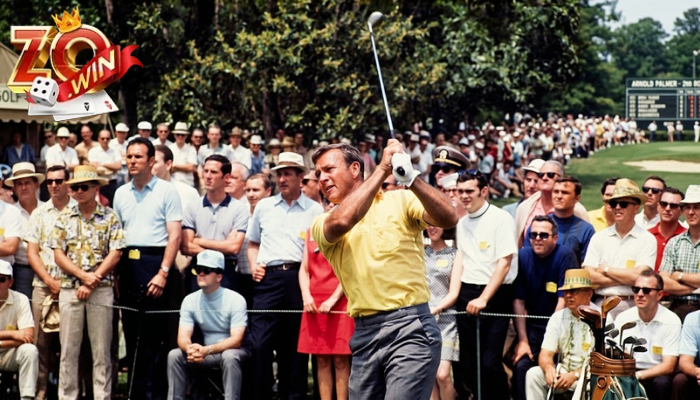
One thing very few actually pay attention to is how the commercial landscape of professional sports was not built by a corporation, but by the charisma of a single individual. Most people in this space still do not know that before the mid-1950s, professional golfers were often viewed as mere club professionals rather than international superstars. The rise of Arnold Palmer changed this perception forever by bridging the gap between elite athleticism and everyman relatability. For those who study the intersection of gaming and sports, the psychological pull of his personality is much like the draw of a high-stakes zowin session where trust and brand recognition are paramount. A significant portion of modern sports broadcasting owes its very existence to his ability to draw massive television audiences during the dawn of the color TV era.
There is a common misunderstanding about how luxury branding began, as many assume it was a natural progression of the television age. In reality, it required a specific archetype to prove that a sports figure could sell everything from tractors to high-end watches. Many enthusiasts who enjoy the strategic depth of xóc đĩa zowin might find it interesting that the same principles of risk management and public persona were pioneered by this golfing legend. He did not just play the game; he revolutionized the way the game was consumed by the public. By creating a dedicated following known as Arnie’s Army, he established the first true blueprint for the modern sports influencer.
The Cultural Impact of the King on Global Media
One thing very few actually pay attention to is the way Arnold Palmer utilized his pilot license to expand his reach across continents. Beyond that, his decision to co-found a dedicated golf network ensured that the sport would have a twenty-four-hour presence in households worldwide. This level of foresight is rarely seen in athletes, yet it mirrors the dedication required to maintain a top-tier digital presence in the modern era. His influence extended far beyond the fairways, touching upon aviation, beverage manufacturing, and even hospital philanthropy.
Notably, the way he handled his public image allowed him to maintain lucrative endorsements long after his final professional victory. For those who value consistency and reliability in their entertainment, his career serves as the ultimate case study in longevity. A significant portion of his success came from his aggressive, go-for-break playing style that resonated with the working class. He represented the idea that through boldness and determination, one could rise to the pinnacle of a traditionally aristocratic sport.
How the King Redefined Athlete Endorsements
The relationship between a player and their audience is built on a foundation of perceived authenticity. Arnold Palmer mastered this by never appearing scripted or distant from his fans, even as his net worth skyrocketed. In addition, his partnership with Mark McCormack led to the creation of the first major sports management agency, which fundamentally changed how contracts are negotiated today. This shift allowed athletes to become brands in their own right, moving away from being simple employees of a league or tournament circuit.
Another key aspect of his commercial success was his ability to diversify his interests into fields that seemed unrelated to golf. Whether it was clothing lines or the famous half-lemonade, half-iced tea drink that bears his name, he understood that a brand must be versatile. For those who participate in xóc đĩa zowin, the importance of a recognizable and trustworthy interface is clear, and he provided that same sense of familiarity to the general public. He was a pioneer who understood that the product was not just the game, but the experience associated with his name.
Pioneering the Business of Golf Course Design
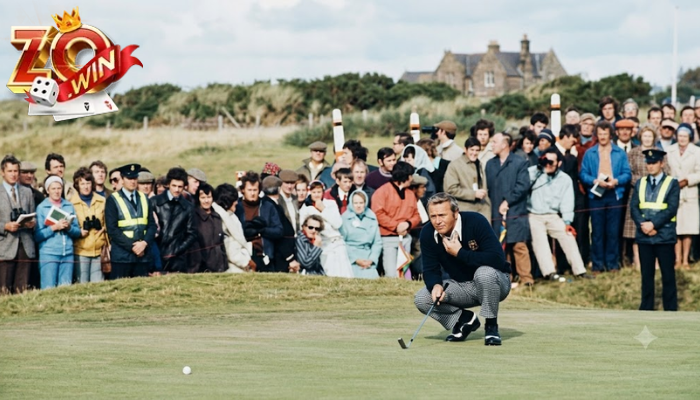
Beyond that, the architectural contributions of the King cannot be overstated, as his firm designed hundreds of courses across the globe. One thing very few actually pay attention to is how these designs often reflected his own philosophy of making the game accessible yet challenging. He wanted players of all skill levels to enjoy the outdoors, much like how modern platforms strive to accommodate both novices and experts. His courses were not just plots of grass; they were strategic playgrounds that required a mix of intuition and technical skill.
In addition, the expansion of golf into Asian markets was heavily influenced by his willingness to travel and compete in exhibitions during the off-season. Notably, his presence in countries like China and Japan helped lay the groundwork for the massive popularity the sport enjoys there today. This global mindset allowed him to build a legacy that transcends borders and languages. For those who follow the evolution of international entertainment, his trajectory offers valuable lessons in scaling a personal brand to a global level.
The Technical Standards of a Global Sports Icon
The precision required to maintain a championship-level game for decades is something that Arnold Palmer practiced with religious devotion. He was known for spending hours on the practice tee, tinkering with his equipment and refining his grip. This level of technical excellence is what allowed him to compete against younger generations of golfers well into his senior years. A significant portion of his technical legacy is also found in the equipment industry, where his insights helped shape the development of modern golf clubs.
Another key aspect of his influence was his role in the creation of the senior tour, now known as the PGA Tour Champions. He recognized that fans still wanted to see their heroes compete, even if they were no longer in their physical prime. This created a secondary market for veteran athletes and ensured that the history of the game remained living and breathing. For those who appreciate the historical depth of xóc đĩa zowin, the preservation of tradition within a modern framework is a familiar and respected concept.
The Enduring Value of Personal Integrity in Branding
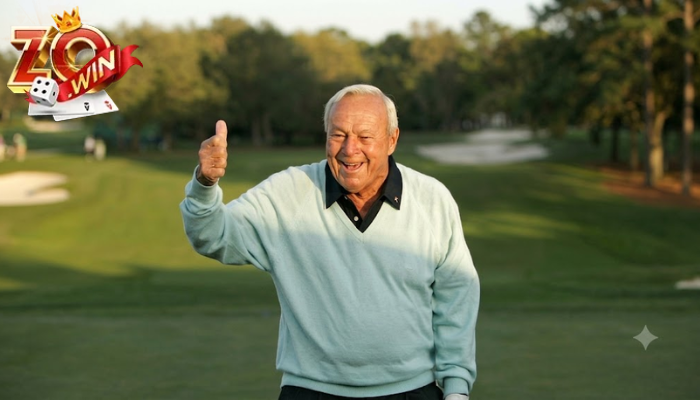
One thing very few actually pay attention to is how his reputation for honesty served as his most valuable asset. In an era where scandals can destroy a career overnight, he remained a paragon of virtue and sportsmanship. Beyond that, his charitable work, particularly through the Arnold Palmer Hospital for Children, showed that his heart was as big as his swing. This commitment to the community ensured that he was loved not just as a golfer, but as a human being.
Notably, the way he interacted with fans—never refusing an autograph and always looking people in the eye—set a standard that few modern athletes can match. For those who value the human element in digital interactions, his life serves as a reminder that personal touch is irreplaceable. A significant portion of his wealth was reinvested into projects that benefited the public, further solidifying his status as a beloved figure. His legacy is a testament to the fact that true greatness is measured by what one gives back to society.
Lessons in Longevity and Brand Management
The ability to stay relevant for over six decades is a feat that requires more than just talent; it requires a deep understanding of one’s audience. Arnold Palmer knew that his fans were his greatest advocates, and he treated them with the respect they deserved. In addition, his business ventures were always aligned with his personal values, which prevented the brand fatigue that often plagues celebrities. This alignment is crucial for any long-term success, whether in sports, business, or the world of xóc đĩa zowin.
Another key aspect of his longevity was his adaptability to new technologies and media formats. From the early days of radio to the rise of the internet, he remained a constant presence in the sports world. For those who navigate the fast-paced world of modern media, his career provides a roadmap for staying grounded while embracing change. He proved that while the medium may change, the message of hard work and integrity remains timeless.
Conclusion
As we evaluate the broad landscape of his career, the impact of Arnold Palmer on both the sport of golf and the business of celebrity is unparalleled. He was a man who understood that his influence could be a force for good, and he used his platform to improve the lives of countless individuals. For those who seek to understand the mechanics of success, his life offers a masterclass in leadership, branding, and genuine connection. Sign up to the platform and study the history of those who paved the way for the modern entertainment landscape. Whether you are analyzing a leaderboard or engaging in a round of xóc đĩa zowin, remember that the principles of the King—boldness, integrity, and a commitment to the fans are the true markers of a champion. Take a closer look at the many ways his legacy continues to shape our world.