Introduction
Modern households rely heavily on appliances to support daily routines. Refrigerators preserve food, washers and dryers handle laundry, dishwashers simplify kitchen cleanup, and ovens and stoves make meal preparation convenient. When these appliances operate properly, they often go unnoticed. However, even minor issues can disrupt household efficiency and lead to significant expenses if ignored.
Many homeowners postpone repairs because an appliance may still appear functional despite showing early signs of trouble. A refrigerator may cool inconsistently, a washer may produce unusual sounds, or a dryer may take longer than normal to complete a cycle. Since the appliance continues to work, the problem is often overlooked.
Unfortunately, delaying repairs can allow small defects to develop into major failures. Understanding the warning signs and addressing them promptly can help homeowners avoid costly repairs, property damage, and premature appliance replacement.
Warning Signs Homeowners Should Never Ignore
Household appliances rarely fail without providing some indication that something is wrong. Small changes in performance often serve as early warning signs that internal components are beginning to wear out.
Unusual noises are among the most common indicators of developing problems. Grinding, rattling, buzzing, or squealing sounds may suggest issues with motors, belts, fans, or bearings. While these sounds may initially seem harmless, they often indicate mechanical stress that can worsen over time.
Leaks should also be taken seriously. Water around a refrigerator, dishwasher, or washing machine may signal damaged hoses, clogged drains, or failing seals. Even small leaks can gradually damage flooring, cabinets, and nearby structures.
Strange odors can indicate overheating electrical components, mold growth, or drainage issues. Burning smells, in particular, require immediate attention because they may present safety concerns.
Changes in appliance performance should never be ignored. Longer drying times, inconsistent cooling, poor cleaning results, or uneven cooking temperatures often point to underlying mechanical or electrical issues that require professional evaluation.
How Small Refrigerator Issues Can Escalate Quickly
Refrigerators operate continuously, making them one of the hardest-working appliances in any home. Because of their constant use, even minor problems can quickly become more serious if left unresolved.
Temperature fluctuations are a common early warning sign. Food may spoil more quickly than expected, beverages may not remain cold, or frozen items may begin to thaw. These symptoms can result from faulty thermostats, dirty condenser coils, worn door seals, or failing fans.
A refrigerator that struggles to maintain proper temperatures often consumes more electricity. As internal components work harder to compensate for performance issues, energy bills may increase significantly.
Excessive frost buildup is another concern. What initially appears to be a minor inconvenience can eventually restrict airflow and place additional strain on cooling components. Over time, this can contribute to compressor failure, one of the most expensive refrigerator repairs.
Prompt refrigerator repair helps preserve food safety, improve efficiency, and prevent more extensive damage to critical cooling systems.
The Hidden Water Damage Caused by Leaking Washers
Water leaks from washing machines are frequently underestimated because they often begin as small drips or minor puddles. However, hidden moisture can create significant structural and financial problems over time.
Homeowners seeking professional Appliance Repair services often discover that what appears to be a simple leak may involve damaged hoses, failing water inlet valves, worn door seals, or drainage issues. Companies such as Appliance Forever specialize in diagnosing these problems before they escalate. ApplianceForever.ca is a local home appliance repair company based in Ontario, Canada, providing repair and maintenance services for refrigerators, washers, dryers, dishwashers, ovens, stoves, cooktops, and microwaves, including same-day in-home repairs for residential customers.
Persistent moisture can seep beneath flooring materials and into subfloors. Hardwood floors may warp, laminate surfaces may swell, and hidden mold growth can develop in areas that remain damp for extended periods.
Cabinetry located near laundry appliances can also suffer damage. Water exposure weakens materials and may require costly repairs or replacement. In severe cases, homeowners may face extensive restoration expenses that greatly exceed the original repair cost of the washing machine itself.
Addressing washer leaks early helps prevent property damage while extending the appliance’s lifespan and maintaining household safety.
Why Dryer Problems Can Become Safety Hazards
Dryers are often viewed as relatively simple appliances, but unresolved dryer issues can create serious safety concerns. Many dryer-related failures develop gradually, making early intervention particularly important.
Several warning signs deserve immediate attention:
- Longer Drying Cycles
Clothes that require multiple cycles to dry may indicate restricted airflow, clogged vents, or heating element problems. Reduced efficiency places additional strain on the appliance and increases energy consumption. - Excessive Heat During Operation
A dryer that becomes unusually hot can signal ventilation problems or overheating components. Elevated temperatures increase wear on internal parts and may create fire risks if ignored. - Burning Odors
Burning smells should never be dismissed. They can indicate electrical issues, overheating motors, or lint accumulation near heat-producing components. - Lint Accumulation Around the Appliance
Excessive lint buildup inside vents or around the dryer restricts airflow and increases the likelihood of overheating. Regular maintenance is essential for safe operation. - Unexpected Shutdowns
Dryers that stop during cycles may have failing thermostats, thermal fuses, or electrical components. Professional diagnosis can help prevent complete system failure.
Recognizing these warning signs early reduces repair costs while helping maintain household safety.
Dishwasher Issues That Affect More Than Clean Dishes
Dishwashers contribute significantly to kitchen efficiency, but their problems often extend beyond poor cleaning performance. Ignoring early dishwasher issues can lead to water damage, sanitation concerns, and costly repairs.
One common problem involves inadequate drainage. Standing water at the bottom of the dishwasher may indicate clogged filters, blocked drain lines, or pump malfunctions. Left unresolved, these issues can create unpleasant odors and promote bacterial growth.
Leaks are another concern. Damaged door gaskets, loose connections, or cracked components can allow water to escape during operation. Repeated exposure to moisture can damage flooring, cabinetry, and nearby walls.
Dishwashers that fail to clean dishes properly may suffer from spray arm blockages, circulation pump issues, or water inlet problems. While the appliance may still operate, performance continues to decline as underlying components deteriorate.
Prompt dishwasher repair often prevents more expensive damage while restoring efficient operation and helping homeowners maintain a hygienic kitchen environment.
The Financial Impact of Delayed Repairs
Many homeowners postpone appliance repairs in an effort to save money. Unfortunately, delays often result in higher expenses over time. What begins as a relatively minor repair can evolve into a much larger financial burden.
Several factors contribute to increasing costs:
- Component Damage Spreads
A failing part frequently places additional stress on surrounding components. Repairing one worn part is usually less expensive than replacing multiple damaged systems. - Energy Efficiency Declines
Appliances operating with unresolved issues often consume more electricity or water. Utility bills can increase gradually without homeowners realizing the true cause. - Property Damage Becomes More Likely
Leaks and moisture-related problems can affect flooring, cabinetry, drywall, and insulation. Repairing structural damage is often far more expensive than fixing the appliance itself. - Premature Appliance Replacement
Delayed repairs can shorten appliance lifespan significantly. Replacing an entire refrigerator, washer, or dishwasher generally costs much more than addressing an early-stage problem. - Emergency Repair Situations Increase
Small issues often become urgent failures at inconvenient times, creating additional stress and potentially higher repair costs.
Taking action early helps homeowners avoid these unnecessary expenses while maximizing appliance longevity.
Common Appliance Components That Fail Gradually
Many appliance failures occur slowly rather than suddenly. Understanding which components commonly wear out can help homeowners recognize developing issues before major breakdowns occur.
Motors are among the most frequently stressed components. Washers, dryers, dishwashers, and refrigerator fans all rely on motors that experience regular wear through daily use. Reduced performance and unusual noises often signal motor-related concerns.
Belts gradually stretch and weaken over time. A worn belt can affect dryer drums, washer operation, and other moving systems. Early replacement is generally straightforward and cost-effective.
Pumps play a critical role in washing machines and dishwashers. Drainage issues frequently develop when pumps become clogged or begin to fail.
Thermostats regulate temperature in refrigerators, ovens, dryers, and other appliances. Faulty thermostats may cause inconsistent performance and increased energy consumption.
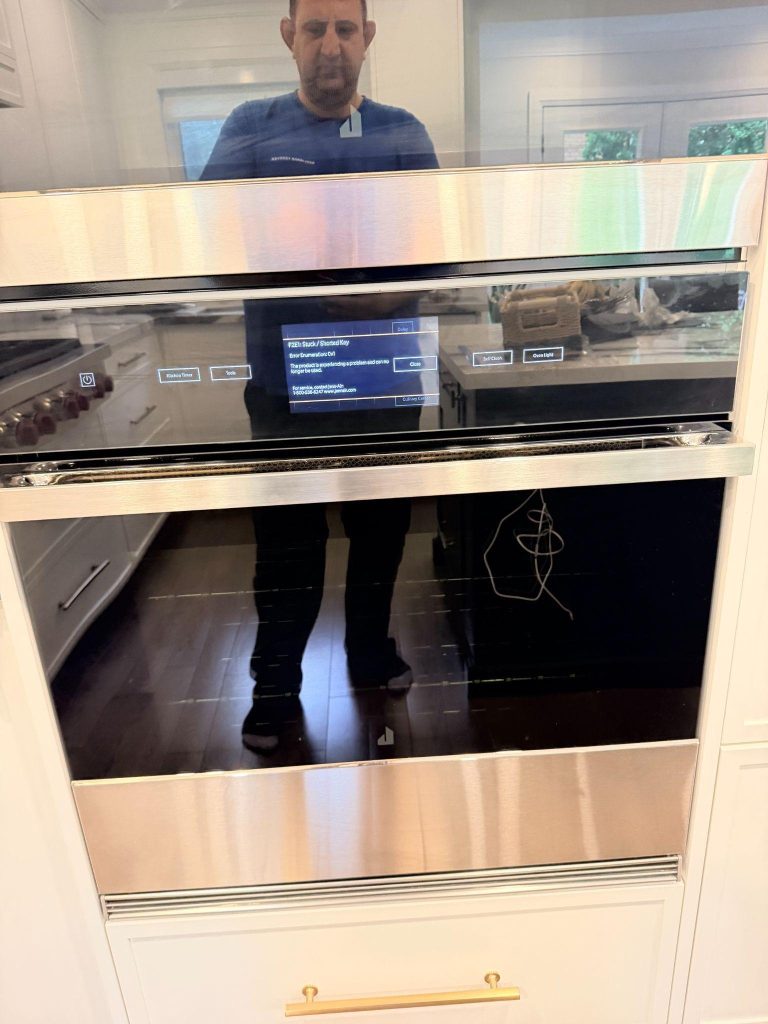
Sensors and electronic control components are increasingly common in modern appliances. When these systems malfunction, appliances may display error codes, operate inefficiently, or stop functioning altogether.
Recognizing gradual wear patterns allows homeowners to schedule repairs before complete failure occurs.
When DIY Troubleshooting Helps and When It Doesn’t
Basic troubleshooting can sometimes help homeowners identify simple appliance issues. Checking power connections, cleaning filters, and ensuring proper airflow are reasonable first steps that may resolve minor concerns.
Routine maintenance tasks such as cleaning refrigerator coils, clearing dryer lint filters, and inspecting appliance hoses can also improve performance and reduce wear. These simple actions contribute to appliance efficiency and longevity.
However, many appliance problems involve electrical systems, sealed components, gas connections, or specialized diagnostic procedures. Attempting complex repairs without proper knowledge may worsen the problem or create safety risks.
Professional technicians possess the tools and expertise needed to accurately diagnose hidden issues. They can identify failing components, verify system performance, and recommend appropriate repairs before more extensive damage occurs.
Knowing when to seek professional assistance helps homeowners avoid unnecessary complications while ensuring repairs are completed safely and effectively.
Benefits of Scheduling Professional Inspections Early
Preventative inspections provide valuable opportunities to identify appliance issues before they become major failures. Early evaluations often reveal wear patterns and performance concerns that are not immediately visible to homeowners.
Professional technicians can assess critical components, check for hidden leaks, test electrical systems, and evaluate overall appliance efficiency. This proactive approach helps prevent unexpected breakdowns and extends equipment lifespan.
Routine inspections also support energy efficiency. Appliances operating at peak performance typically consume less electricity and water, reducing ongoing utility costs.
For homeowners managing multiple household appliances, periodic inspections create a practical maintenance strategy that minimizes disruptions and supports long-term reliability.
Early intervention remains one of the most effective ways to reduce repair expenses while preserving appliance performance.
Creating a Household Appliance Monitoring Routine
A simple monitoring routine can help homeowners identify developing problems before they become costly repairs. Consistent observation often reveals subtle changes that indicate maintenance or repair needs.
Monthly visual inspections are a good starting point. Checking hoses, seals, vents, and power connections helps identify wear before failures occur. Monitoring appliance performance also provides valuable insight into potential concerns.
Homeowners should pay attention to unusual noises, longer cycle times, water leaks, temperature fluctuations, and rising utility bills. These changes frequently indicate developing appliance problems.
Cleaning tasks should also be incorporated into routine maintenance. Refrigerator coils, dishwasher filters, dryer vents, and washer dispensers benefit from regular attention.
By establishing a simple monitoring schedule, homeowners can respond quickly to warning signs and reduce the likelihood of major appliance failures.
Conclusion
Ignoring small appliance problems may seem harmless in the short term, but minor issues often develop into expensive repairs, property damage, and premature appliance replacement. Warning signs such as unusual noises, leaks, odors, and declining performance should never be overlooked.
Refrigerators, washers, dryers, dishwashers, ovens, and other household appliances function most efficiently when problems are addressed early. Timely repairs help prevent escalating damage, improve energy efficiency, and extend appliance lifespan.
A combination of routine maintenance, regular monitoring, and professional inspections allows homeowners to protect their investment and avoid unnecessary expenses. Prompt action remains one of the most effective strategies for maintaining reliable household appliances and reducing long-term home repair costs.


