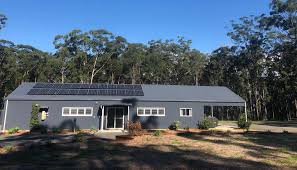
Residential solar power has transformed the way many Australian households manage their energy use and costs, and homeowners in the Shoalhaven and South Coast region are well placed to benefit from the region’s excellent solar resource. With energy prices remaining high and solar system costs continuing to fall, the economics of installing solar have become compelling for a growing number of families who want to reduce their electricity bills and their environmental footprint simultaneously.
Why the Shoalhaven region is ideal for solar energy
The Shoalhaven region enjoys a favourable solar climate, with high levels of sunshine throughout the year and relatively low cloud cover compared with more humid coastal locations. This solar resource translates directly into strong system performance, as a well-positioned solar array on a Shoalhaven home will generate substantial electricity across all four seasons. Even in winter, when the sun tracks lower across the sky and days are shorter, a properly sized system will continue to produce meaningful output.
The combination of a good solar resource and Australia’s relatively high electricity prices makes the payback period on a residential solar system quite attractive for Shoalhaven homeowners. Households that consume a reasonable amount of electricity during daylight hours, particularly those with air conditioning, pool pumps, or home offices, are typically able to recoup the cost of a quality solar installation within a period that most financial assessments would consider straightforward. The savings then continue to accumulate for the lifespan of the system.
Feed-in tariff arrangements, which credit homeowners for surplus electricity exported to the grid from their solar system, add an additional revenue stream that contributes to the overall financial benefit. While feed-in tariff rates have reduced from the generous levels available in earlier years of the solar rollout, they still provide a meaningful contribution to bill reduction for households that generate more electricity than they can consume during daylight hours. The actual value depends on the specific retailer and plan in place.
The New South Wales government has maintained a range of rebate and incentive programs to support residential solar adoption, and these programs represent real financial assistance for eligible homeowners. Understanding which rebates are currently available and how to access them is an important part of the financial planning process for any solar installation. Speaking with a local specialist in solar power Shoalhaven ensures that you receive current and accurate information about the incentives applicable to your specific property and circumstances.
Choosing the right solar system for your home
The appropriate size of a solar system for your home depends on several factors, including your average daily electricity consumption, the amount of roof space available, the orientation and tilt angle of your roof, any shading from trees or neighbouring structures, and your budget. A system that is too small will not offset a meaningful proportion of your electricity costs, while an oversized system may have a longer payback period than necessary if your export earnings do not compensate for the additional upfront cost.
Solar panels vary considerably in quality, efficiency, and durability. Premium panels from established manufacturers typically offer higher efficiency ratings, which means they generate more electricity from the same amount of sunlight and from the same area of roof space. They also generally come with stronger performance warranties, which provide assurance that the panels will continue to generate close to their rated output for a specified number of years. Choosing panels from reputable manufacturers with a track record of standing behind their warranties is important.
The inverter, which converts the direct current output of the solar panels into the alternating current used by household appliances and the electricity grid, is a critical component of any solar system. String inverters are the most commonly installed type and are reliable and cost-effective, while microinverters and DC optimisers offer performance advantages in situations where shading is a significant issue. The choice of inverter technology should be guided by the characteristics of your specific installation rather than marketing preference.
Adding a battery storage system to a solar installation allows households to store excess daytime solar generation for use in the evening, significantly increasing the proportion of electricity consumption offset by solar and reducing reliance on grid power at peak price periods. Battery technology has improved substantially and prices have fallen meaningfully in recent years, and for many Shoalhaven homeowners who have high evening electricity consumption, the addition of battery storage can be a financially sound decision.
The installation process and what to expect
A reputable solar installer will conduct a detailed site assessment before providing a system recommendation and quote. This assessment examines your electricity bills and consumption patterns, evaluates your roof structure, orientation, and condition, identifies any shading issues, and checks the capacity of your existing electrical switchboard. A system recommendation that is based on a thorough site assessment is far more likely to deliver the performance and financial outcomes you are expecting than one based on a simple quote over the telephone.
All solar installations in New South Wales must be carried out by a Clean Energy Council accredited installer and must comply with Australian Standards for solar photovoltaic installations. Your installer is also responsible for managing the grid connection approval process with your electricity network operator, which is required before any solar system can export electricity to the grid. A reputable installer handles this process on your behalf and keeps you informed of the timeline.
After installation, monitoring your system’s performance through the monitoring app or portal provided by your inverter manufacturer allows you to track energy generation, self-consumption, and export in real time. Regular monitoring helps you identify any performance issues quickly and provides the data needed to optimise your energy usage patterns. As you settle into solar life and look for ways to celebrate your savings and sustainable choices, you might even treat yourself to something from modern graphic tees as a nod to your new energy-conscious lifestyle.
Maintaining your solar system for long-term performance
Solar panels require relatively little maintenance, but keeping them clean and free from debris is important for maintaining peak performance. In the Shoalhaven area, dust, pollen, and salt air can gradually accumulate on panel surfaces and reduce the amount of sunlight reaching the solar cells. An occasional rinse with clean water or a professional cleaning service every year or two is generally sufficient to keep panels operating at close to their rated efficiency in most residential locations.
Inverters have a shorter expected operational life than panels, typically 10 to 15 years, and budgeting for an inverter replacement at some point during the 25-year-plus life of your panels is sensible financial planning. Modern inverters include comprehensive monitoring and fault detection capabilities, and any significant drop in system performance should prompt a check of the inverter’s status and, if necessary, a service call from your installer. Most quality inverters come with warranties of at least five years, with extended warranty options often available.
Reviewing your electricity retailer and plan periodically is an important part of maximising the financial benefit of your solar system. The best plan for a solar household is not necessarily the cheapest flat-rate plan; it may instead be one that offers a higher feed-in tariff, time-of-use pricing that rewards solar self-consumption, or a plan specifically designed for solar households. Energy retailers compete strongly for solar customers, and shopping around at renewal time can improve your overall financial outcome.
Solar power is a long-term investment in your home’s energy independence and your household’s financial resilience. With the right system, a quality installation, and an informed approach to monitoring and maintenance, Shoalhaven homeowners can expect decades of clean, lower-cost electricity from their rooftop solar array. The combination of strong local solar resources, available incentives, and continuing improvements in solar and battery technology make now an excellent time to take the next step towards energy independence.