Breathing is something most of us take for granted—until it becomes difficult. If you’ve ever struggled with constant nasal congestion, frequent sinus infections, or trouble sleeping due to blocked airways, you might be dealing with a deviated septum. For many people, deviated septum surgery offers a life-changing solution that restores comfort and improves everyday living.
What Is a Deviated Septum?
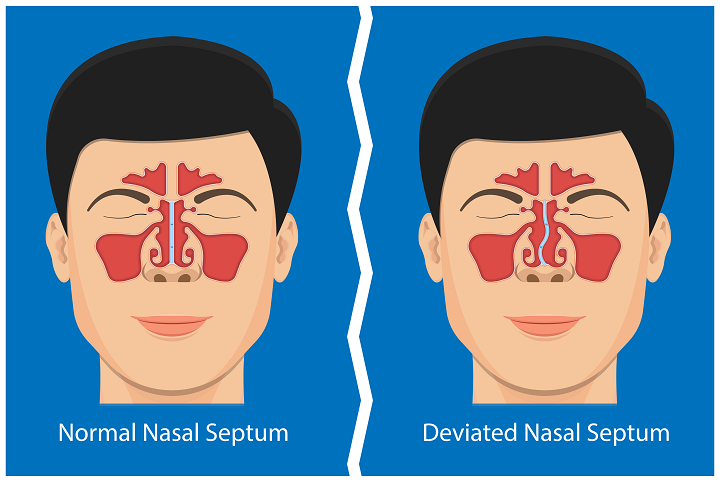
Inside your nose, there’s a thin wall called the septum that separates the two nostrils. Ideally, it should sit right in the center. However, for many people, this wall is slightly off to one side. In some cases, the deviation is severe enough to block airflow and cause noticeable symptoms.
When the condition starts interfering with daily life, doctors may recommend deviated septum surgery to correct the alignment and open up the nasal passages.
Common Signs You Might Need Treatment
Not everyone with a deviated septum needs treatment, but certain symptoms can signal that it’s time to seek help. People often consider deviated septum surgery when they experience:
- Constant nasal congestion on one side
- Difficulty breathing through the nose
- Frequent sinus infections
- Nosebleeds
- Snoring or sleep disturbances
These issues can affect your sleep, energy levels, and overall quality of life. That’s why many patients turn to deviated septum surgery for lasting relief.
How Deviated Septum Surgery Works
The procedure, often called septoplasty, is designed to straighten the septum and improve airflow. During deviated septum surgery, a surgeon carefully repositions or removes parts of the cartilage and bone that are causing the blockage.
The surgery is typically performed under anesthesia and doesn’t involve visible external cuts, which means no noticeable scarring. Most patients can go home the same day, making deviated septum surgery a relatively straightforward and convenient option.
Recovery: What to Expect
One of the biggest concerns people have is recovery time. The good news is that healing from deviated septum surgery is usually manageable with proper care.
You may experience some swelling, mild discomfort, or congestion for a few days after the procedure. Doctors often recommend rest, avoiding strenuous activities, and following specific aftercare instructions to ensure smooth healing.
Within a few weeks, most patients begin to notice a significant improvement in their breathing. Over time, the full benefits of deviated septum surgery become even more apparent.
Benefits That Go Beyond Breathing
While the primary goal of deviated septum surgery is to improve airflow, the benefits often extend much further. Many patients report better sleep, reduced snoring, and fewer sinus infections after the procedure. Improved breathing can also enhance your overall energy levels and make physical activities more enjoyable. With deviated septum surgery, simple things like exercising or getting a good night’s sleep can feel easier and more refreshing.
Is It the Right Choice for You?
Deciding whether to undergo deviated septum surgery is a personal choice that depends on your symptoms and how they affect your life. If you’ve tried medications or other treatments without success, surgery may be the next step.
A consultation with a qualified specialist can help determine if you’re a good candidate. They’ll evaluate your condition, discuss your concerns, and guide you through the process. For many people, deviated septum surgery becomes the turning point toward better health and comfort.
Addressing Common Concerns
It’s natural to feel nervous about any surgical procedure. Many patients worry about pain, downtime, or the outcome. However, modern techniques have made deviated septum surgery safer and more effective than ever before.
Most people describe the discomfort as mild and manageable, especially compared to the long-term relief they experience. Understanding what to expect can make the decision to pursue deviated septum surgery feel much less intimidating.
Long-Term Results and Lifestyle Impact
One of the most rewarding aspects of deviated septum surgery is the lasting improvement it provides. Unlike temporary solutions, this procedure addresses the root cause of the problem. Patients often find that they can breathe freely for the first time in years. This can lead to better sleep, improved focus, and a higher quality of life overall. With deviated septum surgery, the benefits continue long after the recovery period is over.
Taking the First Step
If you’ve been living with constant nasal discomfort, it’s easy to assume it’s something you just have to deal with. But that’s not the case. Solutions are available, and deviated septum surgery could be the answer you’ve been looking for.
Taking the first step starts with understanding your options and speaking with a medical professional. With the right guidance, you can make an informed decision that supports your health and well-being.
Final Thoughts
Breathing freely is something everyone deserves, yet many people struggle with it every day without realizing there’s a solution. Deviated septum surgery offers a chance to reclaim comfort, improve sleep, and enhance your overall quality of life.
If your symptoms are holding you back, it may be time to explore your options. With modern techniques, experienced specialists, and a straightforward recovery process, deviated septum surgery has helped countless individuals breathe easier and live better.