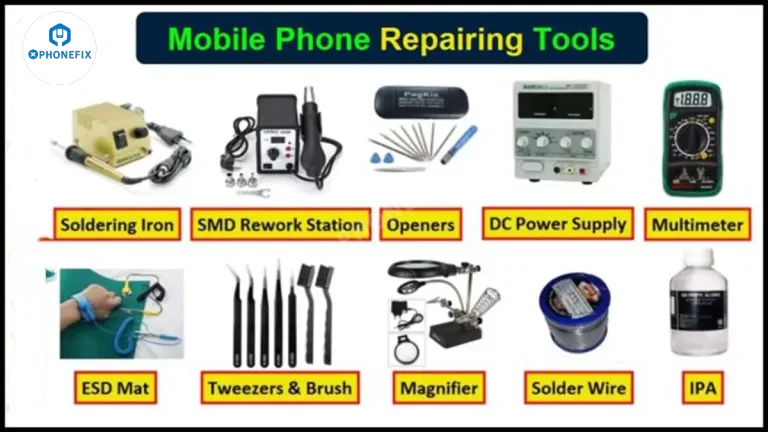
In the fast-paced world of mobile technology, staying ahead in phone repair requires the latest tools and techniques. Every phone repair shop, whether serving individual DIY enthusiasts or professional technicians, needs reliable equipment to handle the growing range of devices. Mobile repair tools have evolved significantly in recent years, offering precision, efficiency, and versatility that were once unimaginable. For repair professionals and hobbyists alike, investing in the right tools ensures faster repairs, higher success rates, and satisfied customers. Brands like PHONEFIX, DIYFIXTool, and DIYPHONE are leading the charge in providing cutting-edge solutions designed for modern repair needs.
From basic screwdrivers and pry tools to sophisticated phone repair programmers, the market now offers devices that can troubleshoot complex issues on smartphones of all brands. The rise of affordable yet professional-grade tools has made it easier for small shops and private users to offer high-quality services without large upfront costs. Understanding the newest innovations in mobile repair tools can help shops improve workflow, reduce repair errors, and stay competitive in an industry that evolves almost as fast as the phones themselves.
Advanced Mobile Repair Tools for Modern Smartphones
Mobile repair tools have become increasingly sophisticated, moving beyond simple hand tools to precision instruments capable of handling intricate internal components. Modern smartphones often feature smaller screws, glued displays, and complex circuit boards, which require specialized tools to avoid damage. High-quality toolkits now include magnetic screwdrivers, anti-static mats, precision tweezers, and suction handles designed specifically for fragile devices. For professional technicians, having the right tools ensures efficient repairs, reduces the risk of damaging critical parts, and enhances customer trust.
In addition, modern repair shops now integrate devices like hot air rework stations and UV adhesive curing lamps to handle advanced repairs such as screen replacements and battery swaps. Mobile repair tools are no longer just about disassembly; they are part of a holistic approach to fixing phones accurately. For small shop owners or DIY enthusiasts, investing in these innovations can mean the difference between completing a repair successfully and causing permanent damage to a device. These tools, combined with proper training, provide the foundation for high-quality, reliable service.
The Role of Phone Repair Programmers in Modern Shops
Phone repair programmers are essential for addressing software-related problems and advanced device customization. These devices allow technicians to flash firmware, unlock phones, repair IMEI numbers, and resolve complex software issues that cannot be handled manually. With smartphones becoming increasingly locked or encrypted, a professional phone repair programmer is no longer optional—it is a must-have for any serious repair business.
These programmers also save time by automating complex tasks that previously required technical expertise and manual intervention. Shops using these devices can service a wider range of brands, from popular Android phones to the latest iPhones, without relying on multiple external services. Integrating a phone repair programmer into a shop’s workflow ensures faster turnaround times, increases customer satisfaction, and boosts overall efficiency. For DIY enthusiasts, affordable programmers now make it possible to perform advanced repairs from home with professional-level results.
DIY-Friendly Tools and Kits for Individual Repair
The growth of DIY repair culture has increased demand for tools designed specifically for individuals and hobbyists. Kits from brands like DIYFIXTool and DIYPHONE include everything a beginner needs: screwdrivers, spudgers, opening picks, suction cups, and repair guides. These kits simplify mobile repairs, making them accessible for non-professionals while maintaining high safety standards for the devices being repaired.
Having a DIY-friendly mobile repair toolkit encourages learning and hands-on experience, reducing reliance on professional services for minor repairs. Many kits also include instructional manuals or access to online tutorials, guiding users through common issues like charging port replacements, screen swaps, and battery repairs. For individuals who enjoy repairing their own devices or small shops offering DIY repair services, these tools provide a reliable and cost-effective solution while maintaining professional results.
Enhancing Repair Speed and Accuracy
Efficiency is crucial in modern phone repair shops. Mobile repair tools today are designed to speed up the repair process without sacrificing accuracy. For example, precision screwdrivers with ergonomic handles allow technicians to work for extended periods without hand strain, while magnetic tool trays prevent screws and small parts from being lost. Multi-functional repair stations consolidate several tools into a single workspace, reducing clutter and improving workflow.
Accuracy is just as important as speed. Many modern tools are engineered with anti-static materials, LED magnification, and precise calibration to handle delicate components safely. Combining these tools with professional training ensures that repairs are completed correctly the first time, minimizing returns and improving shop reputation. For busy repair stores or individual technicians, these innovations provide both practical benefits and a competitive advantage.
Specialized Tools for Common Mobile Repairs
Certain repairs, such as charging port replacements or motherboard soldering, require highly specialized tools. Charging port repair, for instance, can be challenging due to small solder points and fragile connectors. Mobile repair tools designed for this task include preheating stations, flux pens, and micro-soldering kits that make the process safer and more precise. Similarly, advanced repair kits include tools for battery replacement, camera module repair, and screen assembly without damaging other components.
By investing in specialized tools, repair shops and individual technicians can expand their service offerings and handle a broader range of issues confidently. For shops serving multiple clients daily, these innovations reduce downtime and increase profitability. For individual users, access to specialized kits empowers them to perform repairs that were once only possible in professional workshops. Overall, these tools bridge the gap between DIY repair and professional-quality service.
Future Trends in Mobile Repair Tools
The mobile repair industry continues to evolve rapidly, and staying updated with emerging trends is critical for maintaining a competitive edge. Smart diagnostic tools, AI-assisted repair software, and advanced phone repair programmers are becoming more common, allowing technicians to identify issues quickly and accurately. Wireless repair tools, modular kits, and environmentally-friendly materials are also gaining popularity, reflecting the changing expectations of customers and repair professionals.
Shops that adopt these innovations early can offer faster, safer, and more comprehensive repair services, enhancing customer loyalty and reputation. Additionally, the integration of online tutorials and repair communities supports ongoing skill development, enabling both DIY enthusiasts and professional technicians to master the latest techniques. As technology advances, mobile repair tools will continue to evolve, making efficient, precise, and affordable phone repair accessible to everyone.
Conclusion
In today’s competitive mobile repair industry, investing in the latest mobile repair tools and phone repair programmers is essential for both shops and individual repair enthusiasts. Advanced toolkits, specialized devices, and DIY-friendly kits allow professionals and hobbyists to work more efficiently, accurately, and safely. Brands like PHONEFIX, DIYFIXTool, and DIYPHONE provide innovative solutions that meet the diverse needs of technicians, repair stores, and DIY users. Staying updated with these tools not only enhances repair quality but also ensures long-term success in an industry that evolves as fast as the devices themselves.
By embracing modern innovations, repair shops can improve workflow, expand services, and maintain customer satisfaction, while DIY enthusiasts gain the confidence and tools to perform professional-level repairs at home. Mobile repair tools and phone repair programmers are more than equipment—they are essential investments that drive growth, expertise, and reliability in the ever-changing world of smartphone repair.