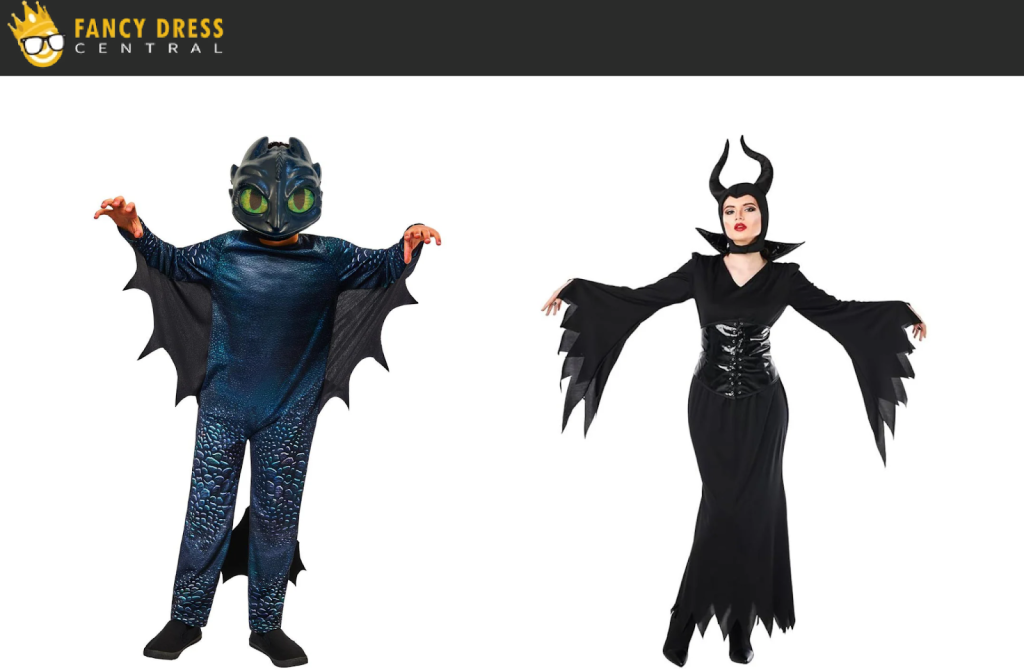
Literary-themed school celebrations have become an increasingly meaningful part of the academic calendar, blending education with creativity in ways that resonate deeply with children and families alike. These events encourage young readers to step beyond the page and engage with stories in a tangible, memorable way. Costumes are no longer viewed as simple outfits for a single day, but as tools that support learning, imagination, and personal expression. As schools place greater emphasis on inclusive participation, costume planning has evolved into a thoughtful process rather than a last-minute task.
The upcoming school year reflects a shift toward more intentional preparation, with families considering comfort, representation, and individuality alongside visual appeal. Teachers and parents are recognizing that well-planned costumes can help children feel confident and included, especially when events are tied to reading and storytelling. This change has also encouraged a wider variety of character choices, moving beyond the most obvious options to include lesser-known literary figures.
Advance planning has become essential as expectations rise and school guidelines grow more detailed. Families now look for costumes that can adapt to different settings, whether classroom activities, assemblies, or outdoor events. Practicality, ease of wear, and durability are all part of the decision-making process. At the same time, children want outfits that feel exciting and authentic to the characters they admire.
Creativity and inclusivity are shaping the future of these celebrations. Schools increasingly encourage interpretations that reflect diverse cultures, abilities, and identities, ensuring that every child can participate comfortably. This approach not only enhances the experience on the day itself but also reinforces the deeper educational purpose behind literary celebrations. Thoughtful costume planning supports confidence, sparks curiosity, and helps stories come alive in a way that leaves a lasting impression.
How School Celebrations Have Evolved Into Creative Showcases
School celebrations connected to literature have changed significantly over the years, shifting from simple costume days into vibrant showcases of creativity and learning. In the past, these events often focused on a narrow range of well-known characters, with limited emphasis on originality or personal interpretation. Today, schools actively encourage students to explore stories more deeply and express their understanding through thoughtful costume choices. This evolution reflects a broader educational goal of fostering creativity alongside academic achievement.
Teachers now integrate these celebrations into classroom activities, using them as opportunities for discussion, storytelling, and collaborative learning. Students are often asked to explain their character choices, linking costumes to reading comprehension and critical thinking. This approach transforms what was once a visual activity into a meaningful extension of the curriculum. As a result, costumes are chosen not only for appearance but also for the story and values they represent.
Parents have also adapted to these changes by approaching costume planning with greater intention. Rather than relying solely on convenience, families consider how an outfit can support a child’s confidence and comfort throughout the school day. Practical elements such as ease of movement, weather suitability, and classroom appropriateness play a larger role than before. This balance ensures that children can fully participate without distraction.
The atmosphere surrounding these celebrations has become more inclusive and supportive. Schools often highlight creativity over competition, reducing pressure on families while encouraging unique ideas. Group themes, shared storytelling sessions, and classroom displays further enhance the experience. Together, these elements turn literary celebrations into memorable events that celebrate individuality, imagination, and a genuine love of reading.
Understanding Character Selection for Age-Appropriate Representation
Choosing the right character is one of the most important aspects of costume planning for school-based literary events. Age-appropriate representation ensures that children feel comfortable and confident while wearing their outfits throughout the day. Younger students often benefit from characters that are visually simple and easy to recognize, while older children may enjoy more detailed or symbolic interpretations. This thoughtful selection supports both enjoyment and practicality.
Parents and educators increasingly consider how characters align with a child’s emotional development and understanding. Costumes that are too complex or abstract can feel overwhelming, particularly for younger participants. Simpler designs allow children to focus on the story behind the character rather than managing an uncomfortable outfit. This approach helps maintain enthusiasm and reduces stress during long school hours.
Representation also plays a key role in helping children see themselves in the stories they read. Selecting characters that reflect diverse backgrounds, personalities, and abilities fosters a sense of belonging. When children feel represented, they are more likely to engage positively with the event and the literature itself. This inclusivity supports confidence and encourages respectful curiosity about different stories and cultures.
As schools prepare for upcoming celebrations, many families are already considering how character choice can balance creativity with suitability for the classroom. Planning with future events such as world book day 2026 in mind allows time to explore options that feel meaningful rather than rushed. Thoughtful character selection ultimately strengthens the connection between reading and self-expression, making literary celebrations more impactful for everyone involved.
Balancing Comfort, Practicality, and Visual Impact
Costumes worn during school celebrations must support a full day of learning, movement, and interaction. While visual appeal often draws the most attention, comfort plays an equally important role in ensuring a positive experience for children. Fabrics that are breathable, lightweight, and non-restrictive help prevent discomfort and distraction. When children feel physically at ease, they are more likely to remain engaged in classroom activities and enjoy the celebration as intended.
Practicality extends beyond fabric choice to include ease of wearing and removal. Outfits that require constant adjustment, complicated fastenings, or additional supervision can quickly become inconvenient in a school setting. Simple closures, flexible sizing, and layered designs allow children to manage their costumes independently. This autonomy supports confidence and reduces the burden on teachers during busy event days.
Visual impact remains an important element, as costumes help characters come alive and spark conversation among students. However, strong design does not require complexity. Clear color palettes, recognizable accessories, and thoughtful detailing can create striking results without sacrificing comfort. A well-balanced costume communicates character identity instantly while remaining suitable for extended wear.
Parents increasingly aim for outfits that strike harmony between these priorities. By choosing designs that are both expressive and wearable, families ensure children can move freely, sit comfortably, and participate fully. This balance reinforces the idea that costumes are not just for display but are part of a meaningful, shared experience that blends creativity with everyday school life.
Gender-Neutral and Inclusive Costume Choices
Inclusive costume planning has become a central focus of modern school celebrations. Gender-neutral options allow children to choose characters based on interest rather than expectation, fostering freedom of expression. This shift reflects a growing understanding that creativity flourishes when children feel unrestricted and respected. Schools increasingly support this approach by encouraging flexibility in costume guidelines.
Character selection that avoids rigid stereotypes helps create a welcoming environment for all students. Many literary figures possess qualities such as bravery, curiosity, kindness, or intelligence that resonate universally. Highlighting these traits rather than traditional gender associations allows children to connect with stories on a personal level. This inclusive mindset also encourages empathy and understanding among peers.
Accessibility is another important aspect of inclusive costume choices. Designs that accommodate different physical needs ensure that every child can participate comfortably. Adjustable sizing, sensory-friendly materials, and simplified designs help remove barriers that might otherwise limit involvement. Thoughtful planning sends a powerful message that inclusion is valued as much as creativity.
Families and educators working together can create an atmosphere where diversity is celebrated through storytelling and dress. Inclusive costumes help children feel seen and supported, reinforcing positive self-image. Over time, this approach shapes school celebrations into experiences that reflect shared values of respect, creativity, and belonging.
Budget-Friendly Planning Without Sacrificing Quality
Costume planning does not need to place financial strain on families to be effective or enjoyable. Budget-conscious approaches can still deliver high-quality results when choices are made thoughtfully. Focusing on versatile pieces, simple designs, and durable materials helps ensure value beyond a single event. This mindset allows families to prioritize quality without unnecessary expense.
Many parents now seek costumes that can be reused for multiple occasions, such as school plays, themed parties, or imaginative play at home. Neutral base garments paired with character-specific accessories offer flexibility and longevity. This approach reduces the need for frequent replacements and supports sustainable consumption habits.
Online retailers specializing in costumes and accessories have made affordable options more accessible. Platforms such as Fancy Dress Central provide a wide selection for children and adults, combining reasonable pricing with dependable service and convenient delivery within the UK. Access to trusted brands and consistent sizing helps families shop with confidence while staying within budget.
Planning ahead also contributes significantly to cost control. Early preparation allows time to compare options, avoid rush fees, and make informed decisions. By focusing on durability, reusability, and thoughtful design, families can create memorable costumes that support learning and enjoyment without compromising financial wellbeing.
Popular Literary Themes That Continue to Inspire Children
Certain literary themes consistently capture children’s imagination, making them enduring sources of costume inspiration. Adventure stories remain particularly popular, as they allow children to embody courage, curiosity, and exploration. These narratives often feature distinctive visual elements that translate easily into wearable designs. Familiarity with such themes helps children feel confident in their character choices.
Fantasy worlds also continue to hold strong appeal. Magical settings, mythical creatures, and imaginative storytelling encourage creativity and self-expression. Costumes inspired by fantasy literature often rely on symbolic elements such as colors, textures, or accessories rather than complex construction. This flexibility makes them accessible to a wide range of ages and abilities.
Classic children’s literature maintains its influence through timeless characters and relatable messages. Stories that emphasize friendship, resilience, and growth resonate across generations. Choosing characters from these works allows children to connect with shared cultural references while exploring meaningful themes.
Modern literature has expanded the range of available inspiration by introducing diverse characters and contemporary settings. This evolution reflects changing values and interests among young readers. By embracing both classic and modern themes, costume planning becomes a way to celebrate the richness of literature and its ability to inspire imagination year after year.
DIY vs Ready-Made Outfits: What Works Best for Families
Families often weigh the benefits of creating costumes at home against purchasing ready-made options. Each approach offers distinct advantages depending on time, budget, and personal preference. DIY costumes allow for high levels of personalization and creativity, giving children a sense of involvement in the process. This hands-on experience can strengthen their connection to the story and character they choose to represent.
However, creating costumes at home requires planning, materials, and a realistic assessment of time. Not all families have the availability or confidence to design and assemble outfits from scratch. In such cases, the process can become stressful rather than enjoyable. Children may also feel disappointed if a homemade costume does not meet their expectations or proves uncomfortable during the school day.
Ready-made costumes provide convenience and consistency, especially for busy households. Professionally designed outfits are often tested for comfort, durability, and visual clarity. This reliability allows families to focus on the experience rather than the construction process. Ready-made options also reduce uncertainty around sizing and wearability.
Many families adopt a blended approach that combines both methods. A purchased base costume enhanced with simple DIY accessories offers balance between convenience and creativity. This flexibility ensures that costume planning remains enjoyable and manageable. Ultimately, the best choice is one that supports the child’s comfort, confidence, and enthusiasm for the celebration.
Sustainability and Reusable Costume Concepts
Sustainability has become an important consideration in costume planning, particularly for families aiming to reduce waste. Single-use costumes can contribute to unnecessary consumption, prompting many parents to seek reusable alternatives. Choosing designs that can be worn multiple times extends the lifespan of each outfit. This approach supports both environmental responsibility and practical value.
Reusable costumes often rely on adaptable elements rather than highly specific details. Neutral garments combined with interchangeable accessories allow a single outfit to represent different characters over time. This versatility encourages creative reuse and reduces the need for frequent new purchases. Children also benefit by learning the value of adaptability and mindful consumption.
Material choice plays a significant role in sustainability. Durable fabrics that withstand repeated wear maintain their appearance and comfort. Costumes that can be washed and stored easily are more likely to be reused for future events. Thoughtful storage further protects garments from damage between uses.
Schools increasingly recognize the importance of sustainability and may encourage families to reuse or share costumes. This collective approach fosters community and reduces pressure on individual households. Sustainable costume planning aligns creativity with responsibility, showing children that imaginative expression can coexist with care for the environment.
Planning Ahead for World Book Day 2026 Events
Advance planning has become essential for families preparing for large-scale school celebrations. Early preparation reduces stress and allows time for thoughtful decision-making. Families who plan ahead can explore a wider range of costume options and avoid last-minute compromises. This approach supports better outcomes for both children and parents.
School communication often begins months in advance, outlining expectations and guidelines. Paying attention to these details helps families align costume choices with school values and practical considerations. Planning ahead also allows time to involve children in the selection process, increasing their excitement and sense of ownership.
Budget management is another benefit of early preparation. Spreading costs over time and avoiding rush purchases supports financial wellbeing. Families can also take advantage of seasonal availability and reliable delivery schedules. This proactive approach reduces uncertainty as the event approaches.
By planning early for World Book Day 2026 events, families can focus on creativity rather than logistics. Thoughtful preparation ensures costumes support comfort, inclusivity, and storytelling. This readiness allows children to fully enjoy the celebration and engage meaningfully with the literature behind their chosen characters.
Helping Children Connect With Stories Through Dress-Up
Costumes play a powerful role in helping children form deeper connections with stories. Dressing as a character encourages them to think about personality, motivation, and narrative context. This embodied experience makes reading more interactive and memorable. Children often gain a stronger understanding of stories when they can visualize themselves within them.
Teachers frequently use dress-up events as opportunities for discussion and reflection. Children may be asked to describe their character, explain favorite scenes, or share why they made their choice. These conversations reinforce comprehension and communication skills. Costumes become prompts for storytelling rather than mere visual elements.
Confidence is another important outcome of meaningful costume experiences. When children feel proud of their outfit, they are more likely to participate actively in class activities. This confidence can extend beyond the event itself, supporting positive attitudes toward reading and learning. Feeling seen and appreciated strengthens self-esteem.
Dress-up also nurtures empathy by encouraging children to step into another perspective. Through character exploration, they learn to appreciate different experiences and viewpoints. This emotional connection enhances the educational value of literary celebrations. Costumes become tools for growth, understanding, and creative engagement.
Conclusion
Thoughtful costume planning transforms literary celebrations into enriching experiences that extend far beyond a single school day. When families consider comfort, inclusivity, creativity, and sustainability, costumes become meaningful expressions rather than simple outfits. These choices support confidence, engagement, and a genuine connection to stories. Children benefit when preparation aligns with their needs and interests.
Advance planning allows families to approach celebrations with calm and intention. Early decisions reduce stress and encourage collaboration between parents and children. This shared process strengthens enthusiasm and helps children feel invested in their character choices. Preparation becomes part of the enjoyment rather than a source of pressure.
Access to reliable costume resources also plays an important role in successful planning. Retailers like Fancy Dress Central support families by offering a broad selection of well-made costumes and accessories for all ages, combined with attentive customer care and convenient delivery across the UK. Such services make it easier for families to find suitable options without compromising on quality or value.
Ultimately, literary celebrations thrive when costumes support learning, creativity, and wellbeing. Dress-up becomes a bridge between imagination and education, helping stories resonate in lasting ways. With thoughtful preparation and supportive resources, these events continue to inspire confidence, curiosity, and a lifelong love of reading.