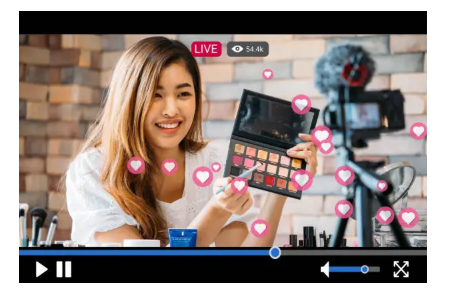
Influencer marketing has become a core strategy for businesses that want to connect with customers in a more personal and relatable way. As brands shift away from traditional advertising and move into creator driven campaigns, choosing the right type of influencer becomes essential. Two of the most common categories are macro influencers and micro influencers. Each offers different strengths, and both can deliver impressive results when used correctly.
Understanding the differences between these creator types can help brands build the right strategy and achieve stronger returns on investment. This guide explains how macro and micro influencers compare, how they influence purchasing decisions, and which option is more likely to deliver better ROI based on campaign goals.
Understanding Macro Influencers
Macro influencers are creators who usually have between one hundred thousand and one million followers on a single platform. Their content reaches large audiences and they often have well established reputations in their niche. Many macro creators produce professional level content, invest in high quality equipment, and treat their social presence as a full time or part time career.
Because of their wide reach, macro influencers can generate rapid visibility and help brands gain attention across multiple platforms. They are often used for national campaigns, viral trends, or major product launches. Their broad influence makes them valuable partners for businesses that want to scale quickly.
Key strengths of macro influencers
- Large audience size
- Strong visibility for brand awareness
- High production quality
- Ability to shape trends and conversations
- Multi platform influence
Macro influencers are especially powerful when a campaign requires quick reach and immediate impact.
Understanding Micro Influencers
Micro influencers generally have between ten thousand and one hundred thousand followers. Their communities may be smaller, but their engagement rate is often higher. Micro creators typically have closer relationships with their followers, which makes their recommendations appear more authentic and relatable.
These influencers often focus on very specific niches such as fitness, beauty, gaming, fashion, parenting, travel, home decor, or personal development. Because their content feels personal and community driven, followers view them as trusted voices rather than distant celebrities.
Key strengths of micro influencers
- High engagement and stronger audience trust
- More personal interactions
- Niche specific content
- Cost efficient collaborations
- Better perceived authenticity
Micro influencers are ideal for campaigns that value trust, targeted messaging, and deeper audience connection.
Cost Comparison Between Macro and Micro Influencers
Cost plays a major role in deciding which influencer type delivers better ROI. Macro influencers usually charge more because of their extensive reach and established reputation. A single sponsored post can be a significant investment, but the visibility gained can justify the cost for the right campaign.
Micro influencers are typically more budget friendly. Brands can partner with several micro creators for the cost of one macro creator. This makes it easier to run multiple tests, explore creative variations, or target different audience segments without overspending.
Budget flexibility is one of the reasons micro influencers have become popular among small and medium sized businesses. However, even large companies continue to use micro influencers because of their authentic influence.
Engagement Quality and Audience Trust
Engagement is one of the most important metrics in influencer marketing. It measures how actively the audience interacts with the creator. Micro influencers often outperform macro influencers in this category because their communities feel closer and more connected.
Followers of micro influencers frequently leave comments, ask questions, and participate in discussions. This stronger interaction shows a higher level of trust and interest.
Macro influencers may have lower engagement rates, but the total number of interactions is still high because of their large audience size. Their content can spark conversations on a bigger scale, which helps brands gain visibility fast.
Engagement comparison
- Micro influencers: higher engagement rate and deeper connection
- Macro influencers: higher total engagement and wider reach
Both types offer value, but the right choice depends on the campaign’s priorities.
Campaign Goals and ROI: Which Is More Effective?
ROI is influenced by the type of goals a brand wants to achieve. Influencer marketing is not a one size fits all strategy. Each type of influencer contributes differently to a campaign’s performance.
When macro influencers deliver better ROI
Macro influencers are ideal for campaigns focused on reach. Their wide visibility helps brands spread awareness quickly and get in front of new audiences. They deliver better ROI in situations such as:
- Product launches
- Major promotional events
- National or global campaigns
- Trend based content
- Seasonal marketing
Their strength lies in generating scale. Brands that measure success through impressions, views, and large impact typically see better returns with macro influencers.
When micro influencers deliver better ROI
Micro influencers excel in campaigns where trust, authenticity, and conversions matter. Their audience listens closely to their recommendations, which can lead to stronger purchase behavior. They deliver better ROI in situations such as:
- Niche based campaigns
- Local targeting
- Community engagement goals
- High conversion objectives
- Long term brand partnerships
Because micro influencers connect deeply with their followers, their recommendations often feel more personal. This leads to higher conversion rates, even if their audience size is smaller.
Using Both: The Hybrid Strategy
Many brands discover that the most effective approach is to combine macro and micro influencers. This strategy blends broad visibility with strong engagement. Macro influencers create initial buzz and set the tone for the campaign, while micro influencers reinforce the message through personal interactions.
This mixed strategy offers benefits such as:
- Increased reach
- Stronger credibility
- Better content variety
- Multiple entry points for audiences
- Enhanced conversion potential
A hybrid approach often produces the most balanced ROI, especially for multi layer campaigns.
Content Quality and Creative Style
Content quality affects the success of an influencer collaboration. Macro influencers typically produce professional level content with polished editing, carefully planned themes, and high visual appeal. This adds value to the campaign because brands can reuse the content in ads or social posts.
Micro influencers also produce strong content, but their style often feels more organic and relatable. Their videos or photos may not be as highly produced, but they reflect an authentic tone that audiences appreciate. This natural style can improve trust and lead to a stronger emotional response.
Both styles can be effective, but choosing the right fit depends on the brand’s identity and the message it wants to deliver.
Audience Targeting Advantages
Targeting matters when evaluating ROI. Micro influencers often provide more precise targeting because they focus on specific niches. If a brand wants to reach a narrowly defined audience, micro influencers tend to perform better.
Macro influencers attract a broader mix of followers. Their reach is wider, but the audience diversity is greater. If a campaign benefits from mass exposure or broad demographics, macro influencers become the stronger choice.
Matching audience type with campaign goals is one of the most important factors in maximizing ROI.
Which Strategy Truly Delivers Better ROI?
The answer depends on what the brand wants to achieve. Macro influencers deliver better ROI for reach driven campaigns, while micro influencers deliver better ROI for engagement and conversion driven campaigns.
Macro influencers deliver stronger ROI when the goal is:
- Visibility
- Awareness
- Trend building
- Viral potential
- Rapid growth
Micro influencers deliver stronger ROI when the goal is:
- Trust
- Conversions
- Niche targeting
- Higher engagement
- Community growth
There is no universal winner. Each has strengths that match specific marketing needs.
Final Thoughts
Influencer marketing continues to evolve and brands have more strategic options than ever before. The choice between macro and micro influencers depends on the desired outcome of the campaign. Macro influencers create large scale exposure and deliver rapid visibility, while micro influencers drive trust, authenticity, and targeted results.
By understanding the strengths of each influencer type, brands can design campaigns that maximize ROI and build long lasting relationships with their audiences. Whether the goal is awareness or conversions, choosing the right type of creator is the first step toward a successful influencer marketing strategy.